The area surrounding the Place de la Bastille in Paris offers a diverse range of activities for visitors. This includes exploring historical sites, enjoying culinary experiences, and experiencing the vibrant cultural scene.
The district holds significant historical weight as the former site of the Bastille prison, a key symbol of the French Revolution. Understanding its past provides context for appreciating the area’s present-day energy and the monuments and memorials that commemorate this pivotal period in French history. Exploring this area enriches one’s understanding of Paris beyond its more commonly visited landmarks.
This article will delve into specific attractions, dining options, and cultural experiences available in the Bastille area, offering a guide for those seeking to explore this dynamic Parisian neighborhood.
The following recommendations offer strategies for effectively experiencing the Bastille area, maximizing time and enhancing the overall visit.
Tip 1: Prioritize Historical Sites. Begin with the Place de la Bastille itself, observing the July Column which commemorates the July Revolution. Subsequently, investigate nearby historical markers and plaques that narrate the events surrounding the former prison.
Tip 2: Explore the Canal Saint-Martin. Extend the visit northward along the Canal Saint-Martin. This scenic waterway offers a tranquil contrast to the bustling city streets and provides opportunities for leisurely walks and canal-side dining.
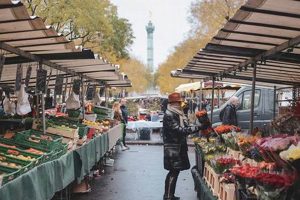
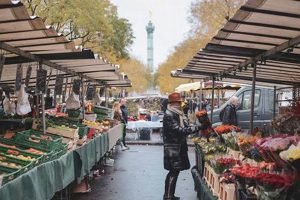
Tip 3: Investigate Local Markets. The Bastille area hosts several markets offering local produce, cheeses, and artisanal goods. Visiting these markets provides an authentic glimpse into Parisian life and an opportunity to sample regional specialties.
Tip 4: Utilize Public Transportation. The Bastille is well-served by the Paris Metro. Familiarizing oneself with the Metro lines and station locations ensures efficient movement throughout the district and to other parts of the city.
Tip 5: Research Event Schedules. The Bastille is a hub for cultural events, including concerts, festivals, and theatrical performances. Checking event schedules in advance allows for incorporation of these activities into the itinerary.
Tip 6: Be mindful of Opening Hours. Certain attractions and shops may have specific opening hours. Researching these schedules will prevent disappointment.
Adhering to these strategies will help optimize exploration, ensure efficient navigation, and facilitate a more comprehensive understanding of the area.
The next section will conclude by summarising the features of this significant area of the French capital.
1. History

The historical context of the Bastille profoundly shapes the visitor experience in the area. The events that transpired at the Bastille prison and the subsequent revolutions have left an indelible mark on the district’s atmosphere, architecture, and cultural identity. Understanding this historical backdrop is essential for a comprehensive appreciation of the present-day attractions and activities.
- The Place de la Bastille
The central square marks the former location of the Bastille prison. Although the prison was dismantled following the storming in 1789, the square serves as a constant reminder of the French Revolution. The July Column, a prominent monument in the square, commemorates the July Revolution of 1830, further solidifying the area’s revolutionary legacy.
- The Storming of the Bastille
This pivotal event in the French Revolution is commemorated throughout the district through historical markers, plaques, and museums. Understanding the motivations and consequences of the storming of the Bastille provides crucial context for comprehending the area’s historical significance and its association with liberty and revolution.
- Historical Museums and Exhibits
Several museums and exhibits in the vicinity explore the history of the French Revolution and its impact on Paris and France. These institutions offer insights into the social, political, and economic conditions that led to the revolution, as well as the key figures and events that shaped its course. Visits to these museums enrich the understanding of the area’s historical identity.
- Revolutionary Legacy
The revolutionary legacy of the Bastille extends beyond the immediate historical events. The area has continued to be a site of political demonstrations and social movements throughout French history. This ongoing association with social change reinforces the area’s identity as a symbol of resistance and transformation. Visitors can observe this legacy in the modern-day expressions of political activism and social commentary present in the district.
These elements intertwine to create a rich historical tapestry that permeates the Bastille area. Exploring these facets allows visitors to engage with the past and understand how it continues to shape the present-day experiences available in this historically significant Parisian neighborhood.
2. Culture

The cultural landscape of the Bastille area contributes significantly to the array of available activities, influencing the experiences available to visitors. This cultural influence is multifaceted, encompassing artistic expression, performance arts, and community events.
- Theatres and Performance Venues
The presence of numerous theatres and performance venues provides opportunities for experiencing French dramatic arts, musical performances, and dance. These establishments offer a diverse program, ranging from classic plays to contemporary works, reflecting the area’s commitment to artistic expression. These performances contribute significantly to the cultural richness of the Bastille area.
- Art Galleries and Studios
The Bastille district features a concentration of art galleries and studios exhibiting works by both established and emerging artists. These galleries showcase a variety of artistic styles and mediums, offering visitors the chance to engage with contemporary art trends and appreciate diverse artistic perspectives. The art scene in Bastille enhances the area’s cultural identity.
- Music Venues and Live Performances
The area is known for its vibrant music scene, with numerous venues hosting live performances across a range of genres, including jazz, rock, and electronic music. These music venues contribute to the district’s dynamic nightlife and offer opportunities for experiencing Parisian music culture.
- Community Festivals and Events
Throughout the year, the Bastille district hosts various community festivals and events that celebrate local culture and traditions. These events often feature live music, street performances, and culinary offerings, providing immersive experiences for visitors seeking to engage with the local community. These festivals contribute to the area’s lively and engaging atmosphere.
These cultural facets, encompassing the performing arts, visual arts, music scene, and community events, collectively enrich the visitor experience. The presence of these cultural elements enhances the district’s identity as a vibrant and engaging area within Paris, providing visitors with opportunities to engage with French culture and artistic expression.
3. Dining

The culinary landscape is inextricably linked to the experience of the Bastille area. Dining is not merely a supplementary activity but an integral component that shapes and defines the overall exploration of the district. The diverse range of culinary establishments, from traditional bistros to contemporary restaurants, directly influences visitor perceptions and engagement with the area’s cultural identity. A visitor’s choice of dining options can significantly alter their understanding and appreciation of the Bastille’s unique atmosphere. For example, a meal at a classic bistro, serving traditional French cuisine, can provide insight into the area’s historical culinary traditions, while exploring more modern options reveals contemporary Parisian gastronomic trends. This connection underscores the importance of considering dining as a central facet of exploring the Bastille.
The practical significance of understanding this connection manifests in several ways. A carefully planned itinerary should prioritize dining experiences that complement other activities, such as historical tours or cultural events. Researching and selecting restaurants that reflect the area’s diverse culinary influences can enhance the overall visit. Further, the presence of local markets provides opportunities to engage directly with regional produce and artisanal food vendors. This access enables visitors to create their own culinary experiences, further deepening their connection to the Bastille district. For example, sampling local cheeses and wines at a market can provide a tactile and flavorful understanding of the region’s culinary heritage. Furthermore, dining contributes significantly to the local economy, as restaurants, cafes, and markets form a key source of revenue and employment for the local population.
In summary, the culinary aspects of the Bastille area are inextricably tied to its overall character and appeal. Recognizing dining as a crucial element of exploration allows visitors to engage more deeply with the district’s culture, history, and community. Challenges may arise in navigating the vast array of dining options and ensuring a balance between traditional and contemporary experiences. However, careful planning and an awareness of the interconnectedness between dining and the overall exploration of the Bastille area will contribute significantly to a more enriching and meaningful visit.
4. Markets
Markets in the Bastille area of Paris constitute a significant element of the local experience. They provide an opportunity to engage with Parisian culture and purchase regional products, thereby enhancing the overall exploration.
- March Bastille
March Bastille, one of the largest and most diverse open-air markets in Paris, offers a wide selection of fresh produce, cheeses, meats, and seafood, as well as clothing and household goods. Its scale and variety provide an immersive experience of Parisian market culture. The market operates on Thursdays and Sundays along Boulevard Richard Lenoir, drawing both locals and tourists seeking quality products and a vibrant atmosphere.
- March Popincourt
Located on Boulevard de Belleville, March Popincourt presents a more localized alternative, offering a similar range of products with a greater emphasis on neighborhood vendors. This market provides an opportunity to interact directly with local producers and experience the daily routines of Parisian residents. Its focus on regional specialties offers insight into local culinary traditions.
- Flower Markets
While not exclusively food-focused, flower markets in proximity to the Bastille area offer a sensory experience and provide a glimpse into Parisian aesthetic preferences. These markets showcase a variety of flowers and plants, contributing to the area’s visual appeal and providing opportunities for photographic documentation.
- Specialty Food Stalls
Within the larger markets, specialty food stalls offer opportunities to sample regional delicacies and purchase unique food products. These stalls often feature vendors specializing in cheeses, wines, pastries, and prepared foods, allowing visitors to experience the diversity of French cuisine. Sampling these products provides a direct connection to the region’s culinary heritage.
The presence of these markets enhances the visitor experience by providing opportunities for culinary exploration, cultural immersion, and engagement with local vendors. Integrating a visit to a market into an itinerary allows for a deeper understanding of Parisian life and contributes to a more comprehensive exploration of the Bastille area.
5. Canal Saint-Martin

The Canal Saint-Martin presents a significant dimension to activities within the Bastille area of Paris. Its proximity and unique character contribute distinct opportunities for leisure and exploration, extending beyond the immediate historical significance associated with the Place de la Bastille. The canal’s presence affects the overall nature of available activities, offering a counterpoint to the more intensely historical or commercial aspects of the district.
The relationship between the Canal Saint-Martin and the broader set of activities in the Bastille area is characterized by complementarity and contrast. While the Place de la Bastille serves as a focal point for historical understanding and civic engagement, the canal offers a space for relaxation and aesthetic appreciation. The canal-side walkways and bridges provide scenic routes for strolling and cycling, contrasting with the bustling streets surrounding the Place de la Bastille. Additionally, numerous cafes, restaurants, and boutiques line the canal, providing opportunities for dining and shopping that cater to a more leisurely pace. These commercial establishments benefit from the canal’s aesthetic appeal, contributing to its economic vitality. The lock system of the canal allows for boat tours, further enhancing the recreational aspects of the area. The canal is not only important for locals but also for tourists as they take boat tours, making it one of bastille paris things to do.
In summary, the Canal Saint-Martin functions as an integral component within the larger framework of available activities in the Bastille area. It offers a contrasting yet complementary experience to the historical and commercial elements of the district. The practical implications of understanding this connection involve recognizing the Canal Saint-Martin as a valuable asset for tourism, recreation, and local commerce. Challenges may involve managing the canal’s popularity to prevent overcrowding and maintain its aesthetic appeal. However, the Canal Saint-Martin remains a vital element enriching the scope of activities for those visiting the Bastille area.
6. Nightlife
Nightlife constitutes a significant component of the activities available in the Bastille area of Paris. The districts reputation for diverse after-dark entertainment options directly influences its appeal to both tourists and local residents, thereby solidifying its position as a destination with a multifaceted range of experiences. The presence of numerous bars, clubs, and live music venues directly expands the scope of available activities, contributing to the district’s overall dynamism.
The nature of nightlife in the Bastille area directly reflects its historical and cultural characteristics. Many establishments showcase live music, often featuring genres like jazz, rock, and electronic music, thus offering an insight into Parisian musical culture. The presence of bars with diverse atmospheres, from traditional French bistros to contemporary cocktail lounges, illustrates the area’s ability to blend historical charm with modern trends. Specific examples include the numerous live music venues along Rue de Lappe, which historically has been a center for nightlife, and the cocktail bars in the side streets of Place de la Bastille, which are known for their innovative drinks. The economic impact of this vibrant nightlife is substantial, as these businesses contribute significantly to local employment and revenue. Additionally, they influence tourism, as the Bastille area attracts visitors specifically seeking its after-dark offerings.
In summary, nightlife is inextricably linked to the multifaceted identity of the Bastille area. Challenges may include managing noise levels and ensuring public safety while maintaining the district’s lively atmosphere. The interaction between nightlife and other dimensionshistorical sites, cultural venues, culinary experiencesshapes the overall visitor experience, making the Bastille area a compelling destination.
Frequently Asked Questions
The following section addresses common inquiries regarding activities and considerations for visiting the Bastille area in Paris.
Question 1: What historical sites are located in the Bastille area?
Key historical sites include the Place de la Bastille, the site of the former Bastille prison, and the July Column, commemorating the July Revolution. Nearby, the Muse Carnavalet offers exhibits related to the history of Paris, including aspects of the French Revolution. Exploring these locations provides context for understanding the area’s significance in French history.
Question 2: What types of dining experiences are available in the Bastille area?
The Bastille area offers a diverse range of dining options, encompassing traditional French bistros, contemporary restaurants, and international cuisine. Local markets, such as March Bastille, provide opportunities to sample regional produce and artisanal foods. Various establishments cater to different tastes and budgets.
Question 3: What cultural activities can one engage in within the Bastille district?
Cultural activities include attending performances at local theaters and music venues, visiting art galleries exhibiting contemporary works, and exploring community festivals and events. The Canal Saint-Martin provides a scenic setting for leisurely walks and boat tours, enhancing the cultural experience.
Question 4: How accessible is the Bastille area via public transportation?
The Bastille area is well-served by the Paris Metro, with multiple lines connecting it to other parts of the city. The Bastille station is a major interchange, providing access to several Metro lines. This facilitates efficient transportation to and from the area.
Question 5: What is the significance of the Canal Saint-Martin to the Bastille area?
The Canal Saint-Martin provides a tranquil contrast to the bustling city streets. It offers opportunities for scenic walks, canal-side dining, and boat tours. The canal enhances the area’s aesthetic appeal and contributes to its recreational opportunities.
Question 6: Are there any safety considerations to keep in mind while exploring the Bastille area, particularly at night?
As with any urban area, maintaining awareness of surroundings is advised. While the Bastille area is generally safe, particularly in well-lit and populated areas, precautions such as avoiding poorly lit streets and securing personal belongings are recommended. Engaging in responsible behavior, particularly when consuming alcohol, is also advisable.
In conclusion, the Bastille area offers a rich tapestry of historical, cultural, and culinary experiences. Understanding these facets allows for a more informed and engaging exploration of this dynamic Parisian neighborhood.
The next section will provide references and resources for further information.
Conclusion
The exploration of Bastille Paris things to do reveals a multifaceted district, blending historical significance with modern cultural and recreational offerings. From tracing the echoes of the French Revolution at Place de la Bastille to strolling along the picturesque Canal Saint-Martin, the area provides a diverse array of experiences. The presence of vibrant markets, diverse dining options, and a dynamic nightlife scene further contribute to the character of this Parisian neighborhood.
The Bastille area represents a compelling destination for those seeking to engage with the historical, cultural, and culinary dimensions of Paris. The diverse range of activities available underscores its continued relevance as a significant district within the city. Further exploration and engagement with the area’s resources will undoubtedly yield continued discovery and appreciation for its unique identity.