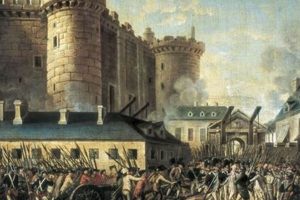
Educational exercises designed for learners relating to the French National Day, observed annually on July 14th, encompass a range of engagements that foster understanding of the historical and cultural significance of this event. These exercises can include projects, presentations, or interactive lessons centered on the storming of the Bastille, its implications for French society, and the broader ideals of liberty, equality, and fraternity. For example, students might research and present on key figures of the French Revolution or create artwork depicting the historical events.
These pedagogical approaches offer several benefits. They cultivate historical awareness, enabling young people to grasp the complexities of the past and its relevance to contemporary issues. Furthermore, such activities encourage critical thinking skills as students analyze primary and secondary sources, formulate arguments, and draw conclusions. The exploration of this pivotal event in French history can also stimulate cross-cultural understanding and appreciation for diverse perspectives.
The subsequent sections will elaborate on specific types of educational engagements suitable for various age groups and learning environments. These will cover both traditional and innovative approaches aimed at making the study of the French National Day an engaging and enriching experience for learners. Considerations for adapting content to different educational levels will also be discussed.
Tips for Implementing Effective Bastille Day Activities for Students
The following recommendations are designed to enhance the educational value and engagement level when implementing exercises related to France’s national holiday. Successful implementation requires careful planning and consideration of student age, learning objectives, and available resources.
Tip 1: Emphasize Historical Context. Before engaging in specific tasks, provide a solid grounding in the historical events leading up to the storming of the Bastille. This includes examining the social, economic, and political climate of pre-revolutionary France. For instance, a brief lecture or reading assignment covering the Enlightenment and the grievances of the Third Estate can be beneficial.
Tip 2: Incorporate Primary Sources. Exposing students to original documents, such as excerpts from revolutionary pamphlets or letters, can bring history to life. These sources offer direct insights into the perspectives and motivations of individuals involved in the events. Select passages that are age-appropriate and manageable for students to analyze.
Tip 3: Encourage Active Learning. Move beyond passive listening by incorporating active learning strategies. Debates, role-playing, or simulations can allow students to actively explore different viewpoints and grapple with the complexities of the era. For example, a mock trial of Louis XVI or a debate on the merits of revolution can be highly engaging.
Tip 4: Integrate Visual Aids. Employ visual aids such as maps, timelines, and images to help students visualize the historical context and key events. Visual representations can make abstract concepts more concrete and memorable. Consider incorporating reproductions of historical paintings or illustrations of the Bastille.
Tip 5: Connect to Contemporary Relevance. Explore the relevance of the ideals of the French Revolution to contemporary issues such as human rights, democracy, and social justice. This can help students understand the enduring legacy of this historical event and its continued significance in the world today. A discussion on modern revolutions or movements for social change could be considered.
Tip 6: Differentiate Instruction. Recognize that students have diverse learning styles and needs. Provide a range of activities that cater to different learning preferences. For example, some students may thrive on writing essays, while others may prefer creating visual presentations or participating in group projects.
Tip 7: Assess Learning Outcomes. Develop clear assessment criteria to measure student learning. This could include quizzes, tests, essays, or project-based assessments. Ensure that the assessment methods align with the learning objectives and provide meaningful feedback to students.
Effective implementation of these exercises necessitates careful consideration of resources, preparation, and a focus on student engagement. When executed thoughtfully, learning activities around France’s national holiday can foster a deeper understanding of history and its relevance to the present day.
The subsequent sections will delve into specific resources and examples of activities that can be tailored to different educational levels and learning environments, facilitating a more comprehensive and engaging exploration of France’s national celebration.
1. Historical Context

Historical context is paramount in shaping the design and delivery of meaningful educational exercises related to the French National Day. Without a thorough grounding in the events leading up to and surrounding the storming of the Bastille, the significance of the holiday is diminished, and the pedagogical value of any associated tasks is compromised.
- Pre-Revolutionary France
The social, economic, and political conditions in France prior to 1789 directly fueled the revolutionary fervor. Understanding the rigid class structure, the widespread poverty and famine, and the financial mismanagement of the monarchy is essential. These factors provide the backdrop against which the events of July 14th, 1789, take on greater significance. Activities focusing on this period might include analyzing primary source documents detailing grievances of the Third Estate or constructing timelines of key events leading to the revolution.
- The Enlightenment
The intellectual movement known as the Enlightenment profoundly influenced the ideals and aspirations of the revolutionaries. Philosophers such as Locke, Rousseau, and Montesquieu articulated concepts of natural rights, popular sovereignty, and the separation of powers, which directly challenged the legitimacy of the absolute monarchy. Educational tasks that explore the impact of Enlightenment ideas on the French Revolution can foster critical thinking skills and promote a deeper understanding of the underlying principles at play. For example, learners could compare and contrast excerpts from Enlightenment texts with the Declaration of the Rights of Man and of the Citizen.
- The Storming of the Bastille
The events of July 14th, 1789, themselves represent a pivotal moment. Understanding the Bastille’s symbolic role as a representation of royal authority and the motivations of the crowd that stormed it is crucial. Exploring this event in detail can involve examining eyewitness accounts, analyzing artistic depictions, or participating in simulations that recreate the circumstances surrounding the storming. The specific factors that triggered this event must be outlined to capture the attention of learners.
- The Aftermath and Legacy
The storming of the Bastille was not an isolated incident but rather a catalyst for broader societal change. Understanding the subsequent phases of the French Revolution, including the Reign of Terror, the rise of Napoleon, and the eventual establishment of a republic, is essential for grasping the long-term impact of the events of 1789. Exercises that explore the legacy of the French Revolution can involve debates on the merits and drawbacks of revolutionary change, discussions on the enduring relevance of the ideals of liberty, equality, and fraternity, or analyses of the revolution’s influence on subsequent historical events.
In summary, the educational exploration of the French National Day necessitates a comprehensive examination of its historical context. This approach equips learners with the knowledge and analytical skills necessary to appreciate the significance of the holiday and to draw meaningful connections to contemporary issues.
2. Student Engagement

Effective student engagement is a critical determinant of the success of any educational program centered on France’s national holiday. When learners are actively involved and invested in the material, they are more likely to develop a deeper understanding of the historical significance of the event and its enduring relevance.
- Active Participation
Active participation goes beyond passive listening and encourages students to take an active role in the learning process. This can include asking questions, contributing to discussions, and collaborating with peers on projects. For example, students may be assigned to research and present on different aspects of the French Revolution, fostering ownership and accountability. The implications of active participation in exercises about France’s national celebration are enhanced knowledge retention and improved critical thinking skills.
- Relevance and Connection to Students’ Lives
Learning activities are more engaging when they connect to students’ existing knowledge and experiences. Making the material relevant to their lives can increase interest and motivation. For example, learners could explore the similarities between the ideals of the French Revolution and contemporary social justice movements. By drawing these connections, students are more likely to appreciate the enduring legacy of this historical event. The effects of relevant connections strengthen the motivation to learn.
- Variety of Activities
Utilizing a range of instructional methods can cater to different learning styles and maintain student interest. This could include lectures, discussions, debates, role-playing, simulations, and creative projects. For example, a simulation of the storming of the Bastille can provide a visceral and memorable learning experience. The use of diverse engagement methods promotes a multi-faceted understanding.
- Clear Learning Objectives and Feedback
Students are more likely to engage with learning activities when they understand the purpose and goals of those activities. Providing clear learning objectives and regular feedback can help students stay on track and measure their progress. For example, clear rubrics for evaluating projects can help students understand expectations and focus their efforts. Clear objectives will enhance the effectiveness of exercises focused on France’s national holiday by setting the stage for goal-oriented learning.
In summary, student engagement is a multifaceted concept that encompasses active participation, relevance, variety, and clear objectives. By incorporating these elements into the design and implementation of instructional plans about France’s national celebration, educators can foster a more meaningful and impactful learning experience, thereby deepening students understanding and appreciation of the event’s historical and contemporary significance.
3. Educational Resources

The availability and effective utilization of diverse learning aids are central to maximizing the educational impact of undertakings related to France’s National Day. These resources serve to enrich the learning experience, provide students with access to diverse perspectives, and foster a deeper understanding of the historical and cultural context surrounding the event.
- Primary Source Documents
Original materials created during the French Revolution, such as letters, pamphlets, speeches, and official decrees, offer direct insights into the experiences and perspectives of individuals who lived through this transformative period. Integrating these documents into exercises allows students to engage with history in a more authentic and meaningful way. For example, analyzing excerpts from the Declaration of the Rights of Man and of the Citizen can promote critical thinking skills and a deeper appreciation of the revolution’s ideals. Implications of primary source materials include increased comprehension of France’s National Day and improved critical thinking skills.
- Secondary Source Materials
Scholarly books, articles, and documentaries provide interpretations and analyses of the French Revolution from a variety of perspectives. These resources can help students to develop a more nuanced understanding of the complex factors that contributed to the revolution and its lasting impact. For example, learners might read excerpts from historical biographies of key figures such as Marie Antoinette or Robespierre. Access to carefully curated secondary source materials is essential for providing context and depth to the exploration of France’s National Day.
- Visual Media
Images, maps, and films can bring the events of the French Revolution to life, making them more accessible and engaging for students. Visual representations can help students to visualize the historical context, understand the geographical scope of the revolution, and appreciate the artistic and cultural expressions inspired by these events. Consider, for example, using paintings depicting the storming of the Bastille or excerpts from historical documentaries to stimulate discussion and spark student interest.
- Online Resources
The Internet provides access to a wealth of educational materials related to the French Revolution, including virtual tours of historical sites, interactive timelines, and online databases of primary and secondary sources. These resources can supplement traditional classroom instruction and provide students with opportunities for independent research and exploration. It is essential, however, to critically evaluate online resources to ensure their accuracy and reliability. Access to diverse online resources enriches the learning experience and fosters independent research skills.
The strategic integration of these components into instructional designs about France’s National Day is paramount. By providing students with access to a range of high-quality resources, educators can facilitate a more engaging, informative, and ultimately, transformative learning experience.
4. Curriculum Integration

The incorporation of educational exercises related to France’s national celebration within existing curricula presents a strategic approach to maximizing their educational impact. Effective integration ensures that the study of this historical event is not treated as an isolated topic, but rather as a relevant and interconnected component of a broader educational framework.
- History and Social Studies
The most direct avenue for the integration of these exercises lies within history and social studies curricula. Learning units on the French Revolution, European history, or world history provide a natural context for exploring the events of July 14th, 1789. For instance, the storming of the Bastille can be studied as a case study of revolutionary movements, exploring its causes, consequences, and broader historical significance. A real-world application may include comparing the French Revolution with other revolutions throughout history, highlighting similarities and differences in their causes, goals, and outcomes. This contributes to students’ understanding of historical processes and patterns.
- Language Arts
The themes and events of the French Revolution offer opportunities for integration within language arts curricula. Students can analyze primary source documents such as speeches, pamphlets, and letters from the period, developing their reading comprehension and critical thinking skills. Additionally, creative writing assignments, such as writing fictional narratives from the perspective of individuals who lived through the revolution, can foster empathy and historical understanding. For example, students might write a diary entry from the viewpoint of a Parisian citizen during the Reign of Terror, connecting the study to language arts. This integrates historical content with language skills development.
- Civics and Government
The ideals of liberty, equality, and fraternity that emerged from the French Revolution have had a profound impact on the development of democratic principles and human rights around the world. Lessons on civics and government can explore these themes, examining the ways in which the French Revolution influenced the development of modern political thought and institutions. Students might analyze the Declaration of the Rights of Man and of the Citizen, comparing it to other foundational documents such as the U.S. Bill of Rights. This enables students to understand the historical roots of contemporary political ideals and institutions.
- Arts and Culture
The French Revolution inspired a wealth of artistic and cultural expressions, including literature, music, and visual arts. Examining these works can provide students with insights into the emotional and intellectual climate of the period. For example, students might analyze the symbolism in Jacques-Louis David’s painting “The Death of Marat” or listen to musical compositions that evoke the spirit of the revolution. This cultural integration encourages students to develop a broader appreciation for the historical and cultural significance of the French Revolution and the arts.
Integrating educational exercises about France’s national holiday across diverse subjects within the curriculum not only reinforces students’ understanding of this historical event but also demonstrates its relevance to various fields of study. This interdisciplinary approach allows for a more comprehensive and meaningful learning experience, fostering a deeper appreciation of the complexities of history and its enduring impact on the world.
5. Age Appropriateness

The principle of age appropriateness is a critical factor in the design and implementation of educational exercises pertaining to France’s National Day. The effectiveness of these activities hinges on their suitability for the cognitive and emotional development of the students involved. Disregard for this principle can lead to confusion, disengagement, or even the unintentional reinforcement of misconceptions.
- Cognitive Development
Cognitive development dictates the level of abstract thinking and historical analysis that students can effectively undertake. Younger learners may struggle with complex political concepts or nuanced interpretations of historical events. Educational tasks for this group should focus on concrete facts, engaging stories, and visually appealing materials. Older students, conversely, are capable of grappling with more sophisticated analyses, evaluating primary source documents, and engaging in debates on historical controversies. Activities should be tailored to match cognitive abilities for optimal learning.
- Emotional Maturity
The French Revolution was a period of intense social upheaval, violence, and political turmoil. Some aspects of this history, such as the Reign of Terror, may be emotionally challenging for younger learners. Activities should be carefully crafted to avoid excessive focus on violence or graphic details, and to provide appropriate context and support for students processing potentially disturbing information. For older students, opportunities for critical reflection on the ethical dimensions of revolutionary violence can be incorporated, promoting a more nuanced understanding.
- Prior Knowledge and Experience
Students’ existing knowledge and understanding of history, politics, and culture will vary significantly depending on their age and educational background. Activities should be designed to build upon students’ prior knowledge, providing scaffolding and support as needed. Teachers should assess students’ existing understanding of the French Revolution and related concepts before introducing more complex material. For example, if learners lack basic knowledge of European history, the teacher may need to provide foundational lessons.
- Cultural Sensitivity
The interpretation and representation of historical events can be influenced by cultural perspectives and biases. Educators should be mindful of potential cultural sensitivities when presenting exercises related to France’s National Day. Ensure that diverse perspectives are represented and that the historical narrative is not presented in a way that could be offensive or insensitive to students from different cultural backgrounds. For instance, one should be aware of cultural values regarding the portrayal of figures of authority and approach this topic with careful consideration.
These facets demonstrate that thoughtful consideration of age appropriateness is essential for creating educational activities on France’s National Day that are both engaging and educationally sound. When activities are aligned with students’ cognitive and emotional development, prior knowledge, and cultural backgrounds, they are more likely to foster a deeper understanding of the historical significance of the event and its relevance to the present day.
6. Critical Thinking

Activities designed around France’s National Day provide a valuable platform for cultivating critical thinking skills among students. The historical complexities inherent in the causes and consequences of the French Revolution necessitate analytical engagement. Specifically, students must evaluate competing narratives, assess the reliability of sources, and formulate reasoned judgments about the motivations and actions of historical figures. Failure to apply these skills results in a superficial understanding of the event, reducing it to a mere recitation of dates and names rather than a nuanced comprehension of societal transformation. Critical thinking, therefore, forms an essential component of effective learning exercises about France’s national celebration.
Consider, for example, a learning activity where students are presented with conflicting accounts of the storming of the Bastille. One account might portray the event as a spontaneous uprising of the people, driven by noble ideals of liberty and equality. Another might depict it as a chaotic mob action fueled by opportunistic criminals. Engaging in critical thinking, students would analyze the sources of these accounts, consider the biases of the authors, and evaluate the evidence presented to determine which version is more credible. A further real-world application includes examining the lasting legacy of the Revolution. It allows students to debate whether the revolution achieved its goals, considering the Reign of Terror and the rise of Napoleon. This process promotes careful evaluation of causes and consequences, a hallmark of strong critical thinking.
In summary, the integration of critical thinking into studies about France’s National Day moves beyond rote memorization and promotes analytical engagement with historical events. This approach equips learners with valuable skills applicable beyond the classroom, fostering informed citizenship and a capacity for discerning judgment in an increasingly complex world. The challenge lies in designing activities that actively promote these skills, encouraging students to question, analyze, and synthesize information rather than simply accepting it at face value. This deeper understanding allows for a more meaningful appreciation of the values and challenges associated with the pursuit of liberty, equality, and fraternity, central to the celebration.
Frequently Asked Questions
The following section addresses common inquiries regarding the design and implementation of educational engagements focusing on the French National Day, intended for student audiences.
Question 1: What specific learning objectives should be prioritized when developing activities related to France’s National Day?
The primary objective centers on fostering an understanding of the historical context surrounding the storming of the Bastille and its significance as a pivotal event in the French Revolution. Secondary objectives include cultivating critical thinking skills through the analysis of primary and secondary source materials, promoting an appreciation for the ideals of liberty, equality, and fraternity, and encouraging a comparative analysis of revolutionary movements throughout history.
Question 2: How can educators ensure that learning activities remain age-appropriate and avoid potentially sensitive or disturbing content?
Age appropriateness requires careful consideration of students’ cognitive and emotional development. Activities for younger learners should focus on concrete facts and engaging stories, while avoiding detailed depictions of violence or political instability. For older students, opportunities for critical reflection on the complexities and ethical dilemmas of the revolution can be incorporated, provided they are presented within a supportive and well-contextualized learning environment. Educators should also be aware of any potential cultural sensitivities within the student population.
Question 3: What types of resources are most effective for supporting instruction on the French National Day?
The most effective resources include primary source documents such as excerpts from revolutionary pamphlets or letters, scholarly articles and books that provide historical context and analysis, and visual media such as maps, paintings, and documentaries that bring the events of the revolution to life. Online resources can also be valuable, but educators must carefully evaluate their accuracy and reliability.
Question 4: How can educators promote active student engagement in activities related to France’s National Day?
Active engagement can be fostered through a variety of instructional methods, including discussions, debates, role-playing exercises, and creative projects. Encouraging students to ask questions, share their perspectives, and collaborate with peers can also enhance engagement. Activities that connect the events of the French Revolution to contemporary issues and students’ own lives are particularly effective.
Question 5: How can educators integrate learning exercises about France’s National Day into existing curricula across different subject areas?
Integration can be achieved by connecting the themes and events of the French Revolution to relevant topics in history, social studies, language arts, civics, and the arts. For example, students can analyze primary source documents in language arts, compare the French Revolution to other revolutions in history, or explore the artistic and cultural expressions inspired by the revolution in arts and culture classes.
Question 6: How should educators assess student learning following participation in activities related to France’s National Day?
Assessment methods should align with the learning objectives and provide students with opportunities to demonstrate their understanding of the historical context, their critical thinking skills, and their appreciation for the ideals of the revolution. Assessment can include quizzes, tests, essays, projects, and presentations. Clear rubrics should be provided to guide students’ work and provide meaningful feedback.
These responses provide guidance for educators seeking to develop and implement impactful educational engagements surrounding France’s National Day, emphasizing historical accuracy, age appropriateness, and active student engagement.
The following section will provide further examples of instructional plans and activities that may be adapted for various educational levels and learning environments.
Conclusion
The preceding exploration has illuminated the importance of well-designed “bastille day activities for students” in fostering a comprehensive understanding of a pivotal historical event. Careful consideration of historical context, student engagement, appropriate resources, curriculum integration, age appropriateness, and the promotion of critical thinking skills are essential for creating effective learning experiences. The insights provided offer a framework for educators to develop informative and meaningful exercises.
Continued emphasis on thoughtful implementation of these learning modules is necessary to ensure that the lessons of the French Revolution are not only understood but also applied to contemporary challenges. By fostering a deeper appreciation for the complexities of history and the enduring pursuit of liberty, equality, and fraternity, educators can empower future generations to engage with the world as informed and responsible citizens.
![French Holiday: Is It Bastille Day Today? [Guide] | Hubbastille: Explore the Fusion of Culture, Music & Creativity](https://hubbastille.com/wp-content/uploads/2026/05/th-190-300x200.jpg "French Holiday: Is It Bastille Day Today? [Guide] Hubbastille: Explore the Fusion of Culture, Music & Creativity")