The celebrations held each year on July 14th in France commemorate a pivotal moment in French history. These observances often involve a wide array of public events, from military parades to communal meals and fireworks displays. These events symbolize national unity and the revolutionary ideals upon which modern France was founded.
These annual commemorations serve as a powerful reminder of the storming of the Bastille and its impact on French society. They reinforce national identity and provide an opportunity for citizens to celebrate their shared history and cultural heritage. The holiday is also a significant economic driver, boosting tourism and local businesses through increased spending and activity.
The scope of the following article will explore various facets of this important national event, focusing on the historical context, the diverse forms of celebration, and the overall cultural impact. Each section will contribute to a more comprehensive understanding of this key French observance.
Guidance for Attending French National Day Observances
The following offers practical guidance for those planning to attend or participate in events marking the French National Day. Considerations include planning, safety, and cultural sensitivity. Adhering to these tips can enhance the experience.
Tip 1: Plan Transportation in Advance: Public transportation systems in metropolitan areas such as Paris experience significant congestion. Confirm route details and anticipate delays. Consider alternative transportation options if feasible.
Tip 2: Arrive Early for Key Events: Popular events, such as the military parade on the Champs-lyses, attract large crowds. Securing a favorable viewing location requires arriving several hours in advance. Monitor official schedules for timing updates.
Tip 3: Familiarize Yourself with Security Protocols: Heightened security measures are typically in place. Be prepared for bag searches and potential restrictions on prohibited items. Compliance with security personnel instructions is essential.
Tip 4: Be Aware of Crowd Management: Large gatherings require heightened situational awareness. Stay with companions, identify emergency exits, and be prepared to move quickly if directed by authorities.
Tip 5: Respect Local Customs and Traditions: While attending public events, observe local customs. Refrain from disruptive behavior and show respect for the national symbols and the significance of the day.
Tip 6: Hydrate Regularly and Protect from Sun: Many events occur outdoors during the summer months. Maintain adequate hydration and use appropriate sun protection to avoid heat-related illnesses.
Tip 7: Learn Basic French Phrases: While English may be spoken in tourist areas, learning a few basic French phrases demonstrates respect and can facilitate communication with local residents.
These guidelines, if heeded, are intended to assist in maximizing engagement with and enjoyment of the celebrations, while also prioritizing personal safety and respect for the cultural significance of the occasion.
The subsequent sections of this article will further explore the diverse range of activities and ceremonies that constitute this important national observance.
1. Military Parades

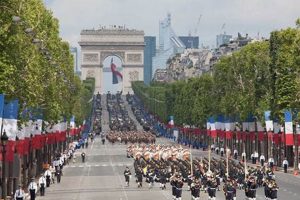
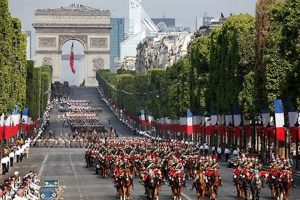
Military parades serve as a central component of the French National Day, illustrating the connection between national defense and civic pride. As a direct consequence of the holiday’s significance, these parades showcase the capabilities of the French armed forces, demonstrating the nation’s commitment to security. The parade is not merely a display of military strength; it is a symbolic representation of national unity and the protection of revolutionary ideals. The annual procession down the Champs-lyses in Paris exemplifies this tradition, featuring troops, vehicles, and aircraft from various branches of the military. The Bastille Day festivities will start with Military Parades.
The inclusion of the military parade in the celebrations stems from a desire to link the modern French state with its historical roots. The parade reinforces the concept of a nation defended by its citizens and the institutions established to protect their freedoms. The presence of foreign dignitaries and troops from allied nations further emphasizes international cooperation and solidarity. Understanding this connection allows for a more complete appreciation of the parade’s significance, as it goes beyond a simple display of force to become a powerful symbol of national identity and alliance.
In summary, military parades are inextricably linked to the festivities. They function as a key element in the commemoration of French National Day, symbolizing national unity, military strength, and historical continuity. Comprehending this association provides a deeper understanding of the values and traditions that underpin the French state. The events allow spectators to reflect on the nation’s past, while simultaneously acknowledging its current security commitments and international relations.
2. Public Celebrations
Public celebrations form an integral component of the observances surrounding the French National Day. They represent a collective expression of national identity and unity, complementing formal events like military parades with activities designed to engage citizens directly.
- Communal Meals and Picnics
Organized meals and picnics serve as opportunities for citizens to gather and share in the spirit of community. These events, often held in public parks or town squares, foster social interaction and celebrate the nation’s culinary heritage. The communal act of sharing food reinforces a sense of belonging and collective identity, connecting individuals from diverse backgrounds.
- Local Dances and Balls
Numerous towns and cities host dances and balls, offering a platform for public entertainment and cultural expression. These events typically feature traditional music and dance, reflecting the diversity of French regional culture. They provide an accessible avenue for citizens to participate actively in the celebration, transcending social barriers.
- Fireworks Displays
Elaborate fireworks displays constitute a visual spectacle that punctuates the evening of the French National Day. These displays, often synchronized with music, create a shared experience for large crowds, illuminating the night sky with symbolic imagery. The collective experience of witnessing the fireworks fosters a sense of awe and shared national pride.
- Concerts and Performances
Many municipalities organize concerts and live performances showcasing local and national talent. These events span various genres, reflecting the breadth of French musical heritage. They offer free entertainment to the public, contributing to the festive atmosphere and providing a platform for artistic expression.
These facets of public celebrations collectively contribute to the overall significance of the occasion. They promote social cohesion, celebrate cultural diversity, and provide opportunities for citizen engagement, solidifying the French National Day’s role as a unifying national event.
3. National Unity
The French National Day celebrations serve as a potent symbol of national unity, with the annual observances acting as a focal point for collective identity. The historical event commemorated by the holiday, the storming of the Bastille, represents a unified action against perceived oppression, establishing a foundation for shared national consciousness. The widespread participation in various commemorative events, from military parades to local festivals, underscores this sense of collective identity. For instance, the synchronized fireworks displays held across the country, viewed simultaneously by millions, visually represent a unified nation celebrating its shared history and ideals.
The significance of national unity as a component of the French National Day is further highlighted by its role in transcending social and political divides. The holiday offers a shared platform for citizens from diverse backgrounds to come together and celebrate their common heritage. Political leaders often use the occasion to deliver messages of national cohesion, emphasizing the importance of solidarity in the face of internal and external challenges. For example, national addresses often reiterate fundamental values of liberty, equality, and fraternity, reinforcing the principles that bind the nation together. These expressions of unity are deliberately linked to the historical context of the storming of the Bastille, drawing parallels between the past struggle for freedom and contemporary efforts to maintain social cohesion.
In conclusion, the French National Day is inextricably linked to the concept of national unity. The holiday not only commemorates a historical event but also serves as an annual reminder of the importance of shared values and collective identity. The challenges of maintaining national unity in a diverse and evolving society underscore the ongoing relevance of the Bastille Day celebrations. The holiday serves as an opportunity to reaffirm these principles and strengthen the bonds that unite the French nation, demonstrating the enduring power of collective remembrance and shared celebration.
4. Historical Commemoration

The observances are fundamentally rooted in the act of historical commemoration. The date of July 14th specifically references the storming of the Bastille in 1789, a pivotal event during the French Revolution. This event is viewed as a symbolic act of defiance against monarchical rule and a catalyst for the establishment of a republic based on the principles of liberty, equality, and fraternity. As a direct consequence, the annual celebrations serve to reinforce these revolutionary ideals and maintain their relevance in contemporary French society. The storming of the Bastille, therefore, functions not merely as a past event but as a foundation upon which modern French identity is constructed, celebrated, and defended.
The importance of historical commemoration within the events is manifested through various traditions. Public speeches and official ceremonies directly reference the events of 1789, providing historical context and emphasizing the enduring relevance of revolutionary principles. Educational programs, often timed to coincide with the celebration, aim to inform citizens, particularly younger generations, about the historical significance of the date and its impact on French political and social development. Museums and historical sites often host special exhibitions, further connecting the contemporary celebrations to their historical origins. Reenactments of the storming of the Bastille, though less common in modern celebrations, serve as a vivid reminder of the historical events, contributing to a deeper understanding of the significance of the day. These acts collectively ensure that the historical context remains central to the annual observances.
In summary, historical commemoration is an indispensable element of the festivities. By actively engaging with the past, the annual observances serve to reinforce national identity, promote civic engagement, and perpetuate the values of the French Republic. While the celebrations evolve with the times, the central purpose of remembering and honoring the historical events of the French Revolution remains a constant, shaping the character and significance of the national holiday.
5. Cultural Heritage
Cultural heritage is intrinsically linked to the celebration of French National Day. The holiday offers a nationwide stage for the expression and preservation of traditional customs, arts, and values that define French identity. This connection is not merely ceremonial; the commemorations actively promote and reinforce the understanding and appreciation of various aspects of French cultural legacy. For example, regional folk dances, traditional music performances, and the preparation of regional culinary specialties are common features of local festivities. These elements serve not only as entertainment but also as a tangible connection to the past, fostering a sense of continuity and cultural pride within communities. In essence, each town square becomes a living museum, showcasing the richness and diversity of the French cultural tapestry.
Moreover, the link between cultural heritage and the national holiday has practical implications for tourism and local economies. The celebrations draw visitors from around the world, eager to experience the unique cultural traditions associated with the commemorations. This influx of tourists provides significant economic benefits to local businesses, supporting the preservation and promotion of cultural heritage through increased demand for traditional crafts, regional cuisine, and cultural performances. The holiday, therefore, acts as a catalyst for the economic sustainability of cultural practices, ensuring their continued viability for future generations. The commitment to showcasing specific aspects of intangible cultural heritage often contributes to the nomination of specific cultural practices for UNESCO recognition, such as aspects of French gastronomy or regional artisan traditions, furthering the global visibility and preservation efforts.
In summary, the integration of cultural heritage within the activities surrounding French National Day demonstrates a concerted effort to maintain and promote national identity. This connection not only reinforces historical narratives but also supports the economic viability of cultural practices. While the pressures of globalization and modernization pose ongoing challenges to the preservation of cultural heritage, the annual celebrations provide a valuable platform for reaffirming the significance of these traditions in contemporary French society, demonstrating a practical commitment to ensuring their survival and evolution.
Frequently Asked Questions Regarding Bastille Day Festivities
The following section addresses common inquiries concerning the French National Day celebrations, providing concise and informative answers to enhance understanding of this significant national observance.
Question 1: What is the specific historical event commemorated during the Bastille Day festivities?
The celebrations commemorate the storming of the Bastille on July 14, 1789. This event, a pivotal moment during the French Revolution, symbolized the overthrow of monarchical authority and the rise of republican ideals.
Question 2: Are the observances limited to the city of Paris?
No, the celebrations are observed nationwide. While the military parade in Paris receives significant attention, municipalities throughout France host local events, including fireworks displays, concerts, and communal gatherings.
Question 3: What is the significance of the military parade held on the Champs-lyses?
The military parade serves as a demonstration of national defense capabilities and a symbol of national unity. It reinforces the connection between the armed forces and the protection of republican values.
Question 4: Are the events primarily intended for French citizens, or are tourists also welcome?
The celebrations are inclusive and open to both French citizens and international visitors. Tourists are welcome to participate in public events and experience the cultural traditions associated with the holiday.
Question 5: What security measures are typically in place during the Bastille Day festivities?
Heightened security measures are typically implemented, particularly in large urban areas. These measures may include bag searches, increased police presence, and restrictions on prohibited items. Compliance with security personnel instructions is essential.
Question 6: How can one best prepare for attending the Bastille Day festivities?
Planning transportation in advance, arriving early for popular events, familiarizing oneself with security protocols, and respecting local customs are advisable steps for maximizing engagement and enjoyment of the celebrations.
In summary, the festivities provide a platform for remembering the past, celebrating national identity, and reinforcing the values of the French Republic. Adhering to recommended guidelines can enhance the experience and ensure a safe and respectful participation.
The subsequent sections of this article will offer further insights into the broader cultural and societal impacts of the French National Day celebrations.
Conclusion
This article has explored various facets of the French National Day, including its historical origins, the diverse forms of celebration, and its significance as a symbol of national unity and cultural heritage. From the military parades that showcase national defense to the public gatherings that foster communal spirit, each component contributes to a cohesive and meaningful national observance.
The perpetuation of Bastille Day festivities serves as a vital function in maintaining collective memory and reinforcing the values upon which the French Republic was founded. Continued engagement with this tradition ensures the preservation of historical awareness and strengthens the bonds of national identity for future generations.