Bastille Day, observed annually on July 14th, commemorates a pivotal event in the French Revolution: the storming of the Bastille in 1789. Celebrations marking this national holiday encompass a wide range of activities, from formal military parades and official ceremonies to informal gatherings and cultural events. Determining the appropriate course of action for Bastille Day depends largely on individual preferences, location, and desired level of engagement with the festivities. Suggestions range from attending public celebrations like fireworks displays and concerts to privately observing the day with themed meals and historical reflections.
The holiday holds significant importance as a symbol of liberty, equality, and fraternity core tenets of the French Republic. Participating in or acknowledging the holiday serves as a way to understand French history, culture, and national identity. Historically, the storming of the Bastille represented a turning point in the revolution, signaling the decline of royal authority and the rise of popular sovereignty. Engaging with the commemoration connects individuals to this pivotal moment and the enduring ideals it represents.
Consequently, this guide will explore various options for marking the occasion. It will delve into the array of public events typically offered, providing insight into experiencing the holiday within France and abroad. Furthermore, alternative suggestions for private celebrations and educational pursuits will be detailed, offering diverse methods of commemorating the holiday.
Suggestions for Bastille Day Observance
The following recommendations offer guidance in appropriately commemorating the French national holiday. These options cater to varied preferences and engagement levels, ranging from public participation to private reflection.
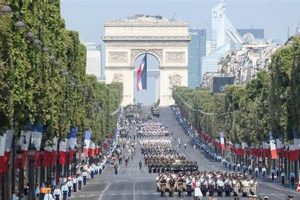
Tip 1: Attend the Military Parade in Paris: The annual parade along the Champs-lyses showcases the French military’s capabilities and symbolizes national unity. Securing a viewing spot early is advisable due to the event’s popularity.
Tip 2: Experience a Fireworks Display: Many French cities, including Paris, feature elaborate fireworks shows on the evening of July 14th. Check local listings for official times and viewing locations.
Tip 3: Explore Local Festivities: Towns and villages across France host various celebrations, including concerts, street performances, and community gatherings. Research local event schedules for opportunities to participate.
Tip 4: Visit a Historical Site: Consider a visit to the Bastille site in Paris or other locations significant to the French Revolution. This provides a tangible connection to the historical events being commemorated.
Tip 5: Prepare a Themed Meal: Engage with French culture by preparing a traditional French meal or pastry. This offers a culinary appreciation for the nation’s heritage.
Tip 6: Engage with French Media: Reading news articles, watching documentaries, or listening to French music provides an opportunity to deepen one’s understanding of French culture and current affairs.
Tip 7: Reflect on the Holiday’s Meaning: Dedicate time to consider the historical significance of the storming of the Bastille and its enduring relevance to the principles of liberty, equality, and fraternity.
Adherence to these suggestions provides multiple pathways for acknowledging and appreciating Bastille Day, whether through active participation in public events or through more introspective and personal observances.
The subsequent section will address considerations for celebrating Bastille Day outside of France, focusing on the adaptation of traditions and the promotion of cultural exchange.
1. Commemorate History

The act of commemorating history forms a foundational component of Bastille Day observances. Without acknowledging the historical events of the storming of the Bastille and the subsequent French Revolution, the holiday loses its substantive meaning. The activities undertaken on Bastille Day directly reflect an effort to remember and honor this pivotal moment in French history. The military parade, for instance, is not merely a display of force but a re-enactment of national unity forged during the revolution and subsequent conflicts. Similarly, visiting the Bastille site or museums dedicated to the era provides a tangible connection to the past.
Real-life examples abound in demonstrating this connection. Educational programs designed around Bastille Day often focus on the causes of the revolution, the key figures involved, and the long-term impact on French society. Individuals choosing to prepare traditional French meals or engage with French media are indirectly commemorating the historical and cultural heritage shaped by the revolutionary period. The practical significance lies in fostering a deeper understanding of France’s national identity and the values that underpin its republic. Moreover, understanding the historical context allows for a more informed appreciation of the holiday’s contemporary celebrations.
In summary, commemorating history is inextricably linked to actions undertaken on Bastille Day. It is the impetus behind the observances and provides context to the celebrations. Challenges in accurately interpreting or presenting this history exist, particularly in navigating the complexities of revolutionary movements. However, acknowledging and understanding this link remains essential for any meaningful engagement with Bastille Day, reinforcing its place as a vital marker of French national identity and historical consciousness.
2. Attend Parades
The action of attending parades constitutes a significant element within the broader context of what to do for Bastille Day. The annual military parade, most notably held on the Champs-lyses in Paris, serves as a prominent display of national pride and unity, directly commemorating the historical events associated with the holiday. Its inclusion within the options for observing Bastille Day stems from its visual spectacle, historical symbolism, and role in fostering a collective sense of national identity. The parade’s organization and execution represent a formalized expression of remembrance, acknowledging the sacrifices and ideals associated with the French Revolution.
Real-life examples of the impact of attending the parade are observable in the large crowds it draws, both domestically and internationally. The event provides a shared experience, uniting individuals in a common celebration of French heritage. Furthermore, the parade serves as a platform for showcasing the French military’s capabilities, reinforcing national security and projecting an image of strength. Its broadcasting through media channels extends its reach, allowing individuals unable to attend physically to participate vicariously in the commemoration. For those seeking an immersive and visually striking experience, attending the parade offers a direct engagement with the core tenets of Bastille Day.
In summary, attending parades provides a tangible and impactful means of participating in Bastille Day celebrations. While challenges may arise in securing optimal viewing locations or navigating large crowds, the experience offers a direct connection to the holiday’s historical significance and fosters a sense of national unity. The inclusion of parade attendance within the scope of what to do for Bastille Day highlights its importance as a formalized expression of national pride and historical commemoration, emphasizing its contribution to the overall observance of the holiday.
3. Watch Fireworks

The action of watching fireworks constitutes a prominent element of Bastille Day celebrations. The association between pyrotechnic displays and the French National Day is demonstrably strong, observed both within France and across international communities that commemorate the holiday. Its inclusion within the range of appropriate activities for Bastille Day stems from the visual spectacle fireworks provide, their symbolic representation of celebration and liberation, and their ability to foster a shared communal experience. These displays often serve as a culminating event for the day’s observances, marking the conclusion of formal ceremonies and the beginning of more informal festivities.
Real-life examples showcase the widespread nature of this tradition. Major cities across France, including Paris, Lyon, and Marseille, host large-scale fireworks displays that attract significant crowds. These events are typically coordinated with musical accompaniments, enhancing the sensory experience and creating a celebratory atmosphere. Smaller towns and villages frequently organize community-based fireworks displays, fostering local participation and reinforcing a sense of shared national identity. Furthermore, many French embassies and cultural centers around the world host or sponsor fireworks displays as part of their Bastille Day celebrations, extending the tradition beyond the borders of France. The practical significance of understanding this connection lies in acknowledging the central role fireworks play in shaping the overall experience of Bastille Day.
In summary, watching fireworks offers a visually compelling and culturally resonant method of participating in Bastille Day celebrations. While challenges may arise in securing optimal viewing locations or navigating large crowds, the spectacle contributes significantly to the holiday’s festive atmosphere and symbolizes the spirit of liberty and national unity. The prominence of fireworks within the scope of activities appropriate for Bastille Day emphasizes their function as a key component of the overall commemoration, underscoring their contribution to the collective experience of the French National Day.
4. Enjoy Festivities

Engaging in festive activities forms an integral part of the Bastille Day experience. While historical commemorations and displays of national pride hold significance, the opportunity to participate in less formal celebrations contributes substantially to the holiday’s widespread appeal. The phrase encompasses a broad range of activities, from attending public concerts and street fairs to partaking in themed meals and social gatherings.
- Public Concerts and Performances
Numerous towns and cities across France host free public concerts on Bastille Day, showcasing a variety of musical genres and attracting diverse audiences. Street performers, theatrical productions, and art installations also contribute to the festive atmosphere. Attending these events offers an accessible means of engaging with French culture and celebrating the holiday in a communal setting. The prevalence of these free public events allows individuals of all socioeconomic backgrounds to participate in the national celebration.
- Street Fairs and Markets
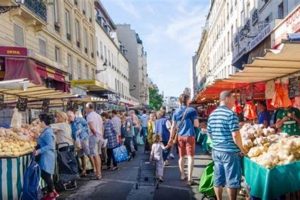
Street fairs and markets are commonly held on Bastille Day, offering opportunities to purchase local crafts, regional food products, and souvenirs. These events contribute to the festive atmosphere by providing a platform for local artisans and vendors to showcase their wares. They also offer a chance to sample traditional French cuisine and experience regional variations in culinary traditions. Such gatherings foster a sense of community and economic activity within the context of the national holiday.
- Themed Meals and Social Gatherings
Preparing and sharing a themed meal centered around traditional French dishes represents another avenue for enjoying the festivities of Bastille Day. Whether in a private home or a public restaurant, partaking in a meal that reflects French culinary heritage allows individuals to engage with the cultural aspects of the holiday. Social gatherings, such as picnics, barbecues, and parties, provide opportunities for friends and family to celebrate together, reinforcing social bonds and promoting a sense of shared identity.
- Local Community Events
Beyond the large-scale celebrations in major cities, many smaller towns and villages host local community events to mark Bastille Day. These events may include parades, games, sporting competitions, and dances, providing opportunities for residents to connect with their neighbors and participate in local traditions. Attending such events allows individuals to experience the holiday in a more intimate and personalized setting, fostering a sense of civic engagement and community pride. These localized celebrations ensure widespread participation across the diverse landscape of France.
In conclusion, enjoying the festivities surrounding Bastille Day encompasses a wide spectrum of activities that extend beyond formal commemorations. These engagements offer opportunities to immerse in French culture, foster community bonds, and celebrate the holiday in personally meaningful ways, further enriching the comprehensive celebration of Bastille Day.
5. Explore Culture

Exploring French culture constitutes a significant aspect of observing Bastille Day. Engaging with various elements of French heritage allows for a deeper appreciation of the historical significance and contemporary relevance of the national holiday. Cultural exploration provides a multifaceted approach to commemorating the storming of the Bastille and the ideals it represents. The following elements illustrate how individuals can effectively incorporate cultural exploration into their Bastille Day activities.
- Culinary Traditions
Sampling traditional French cuisine forms a tangible connection to the nation’s cultural heritage. Preparing or enjoying dishes like coq au vin, crpes, or macarons offers a sensory experience that transcends mere sustenance. Culinary traditions reflect regional variations and historical influences, providing insights into the diverse cultural landscape of France. Engaging with French culinary practices, whether through cooking or dining, contributes to a richer understanding of the nation’s identity on Bastille Day.
- Musical Heritage
Listening to French music, encompassing genres ranging from classical compositions to contemporary pop, provides another avenue for cultural exploration. The French musical heritage is rich and diverse, reflecting centuries of artistic innovation and cultural exchange. Exploring this heritage allows individuals to connect with the emotional and aesthetic sensibilities of the French people. Furthermore, understanding the historical context of French music can enhance appreciation for its cultural significance within the broader context of Bastille Day.
- Artistic Expressions
Exploring French art, including painting, sculpture, and literature, offers a window into the nation’s cultural values and historical narratives. From Impressionism to Surrealism, French art has consistently challenged conventions and pushed the boundaries of creative expression. Engaging with French artistic expressions, whether through visiting museums, reading literature, or attending theatrical performances, allows individuals to gain a deeper understanding of the intellectual and aesthetic currents that have shaped French society. Understanding the role of art in French culture enriches the overall experience of celebrating Bastille Day.
- Language Immersion
Engaging with the French language, even through basic phrases or simple conversations, provides a more intimate connection to French culture. The language itself embodies cultural nuances and historical contexts that are not readily accessible through translation. Attempting to speak French, even imperfectly, demonstrates respect for the culture and fosters a greater sense of connection with the French people. Furthermore, language immersion can enhance appreciation for French literature, music, and film, providing a more holistic understanding of the nation’s cultural heritage. This exploration is a great way to enrich Bastille Day.
By engaging with these various facets of French culture, individuals can transform their Bastille Day observances from mere commemorations into immersive cultural experiences. Cultural exploration provides a means of connecting with the heart and soul of France, fostering a deeper appreciation for its history, its values, and its enduring contributions to the world. Integrating these elements into “what to do for Bastille Day” enhances the overall significance of the holiday and promotes a more profound understanding of French identity.
6. Reflect Ideals

The act of reflecting on the core ideals associated with the French Revolutionliberty, equality, and fraternityforms a crucial, yet often overlooked, component of “what to do for Bastille Day.” While parades, fireworks, and festivities provide outward expressions of national pride, internal contemplation on these fundamental principles offers a deeper, more substantive engagement with the holiday’s meaning and historical context. This reflection transforms mere celebration into a mindful commemoration of the values upon which the French Republic was founded.
- Examining the Concept of Liberty
Reflecting on liberty involves contemplating the extent to which individual freedoms are protected and upheld within a society. This requires examining both legal frameworks and social realities, considering whether all citizens enjoy equal access to fundamental rights. In the context of “what to do for Bastille Day,” this might involve attending a public forum on civil liberties, researching the history of freedom of expression in France, or supporting organizations that advocate for human rights. Considering contemporary challenges to liberty, such as surveillance technologies or restrictions on peaceful assembly, adds depth to the reflection.
- Analyzing the Principle of Equality
Reflecting on equality entails considering the disparities that exist within a society and evaluating efforts to promote equal opportunities for all individuals, regardless of their background or circumstances. This requires acknowledging historical injustices and addressing ongoing systemic inequalities. For “what to do for Bastille Day,” this might involve volunteering at a community center that serves marginalized populations, donating to organizations that promote educational equity, or engaging in conversations about social justice. A critical examination of affirmative action policies and their impact on different groups contributes to a nuanced understanding of equality.
- Contemplating the Ideal of Fraternity
Reflecting on fraternity involves considering the bonds of solidarity and mutual support that connect individuals within a society. This requires cultivating a sense of empathy and promoting inclusivity across diverse communities. In the context of “what to do for Bastille Day,” this might involve participating in a community service project, reaching out to neighbors from different cultural backgrounds, or supporting initiatives that promote social cohesion. Examining the role of civic organizations and voluntary associations in fostering fraternity provides a concrete example of this ideal in action.
- Connecting Ideals to Contemporary Challenges
The act of reflecting on ideals transcends mere historical analysis; it also necessitates applying these principles to contemporary challenges. Examining how liberty, equality, and fraternity inform responses to issues such as climate change, economic inequality, and immigration policies provides a relevant framework for understanding current events. This connection between historical ideals and modern realities enriches the significance of “what to do for Bastille Day,” transforming it from a static commemoration into a dynamic process of critical engagement.
In conclusion, integrating reflection on liberty, equality, and fraternity into “what to do for Bastille Day” elevates the holiday from a superficial celebration to a profound contemplation of the values that underpin the French Republic. By engaging in mindful reflection, individuals can connect with the historical significance of the storming of the Bastille and contribute to a more just and equitable society. The practical significance lies in fostering a deeper understanding of France’s national identity and the ongoing pursuit of its founding ideals.
Frequently Asked Questions Regarding Bastille Day Activities
The following frequently asked questions address common inquiries concerning appropriate and meaningful activities for Bastille Day, July 14th. The responses aim to provide clarity and informed suggestions for observing the French National Day.
Question 1: Is attendance at the military parade in Paris restricted to French citizens?
Attendance at the military parade on the Champs-lyses is open to the public, regardless of nationality. However, due to its popularity, securing a viewing spot requires arriving early. Certain areas may be reserved for dignitaries and invited guests.
Question 2: Are fireworks displays a universal feature of Bastille Day celebrations in France?
While major cities typically host large-scale fireworks displays, smaller towns and villages may have more limited or alternative forms of celebration. Consulting local event listings is advisable for specific information.
Question 3: What options exist for commemorating Bastille Day outside of France?
Options include attending events organized by French embassies or cultural centers, preparing a French-themed meal, engaging with French media, or reflecting on the historical significance of the French Revolution.
Question 4: Is it considered appropriate to display the French flag on Bastille Day, even if one is not French?
Displaying the French flag as a sign of respect and solidarity is generally considered appropriate, provided it is done respectfully and without any intention to misrepresent or appropriate French nationality.
Question 5: Are there specific protocols or etiquette considerations for attending Bastille Day events?
Appropriate attire and respectful behavior are generally expected at formal events, such as the military parade. Familiarizing oneself with French customs and etiquette is advisable.
Question 6: Beyond organized events, what constitutes a meaningful personal observance of Bastille Day?
Meaningful personal observances may include studying the history of the French Revolution, reflecting on the ideals of liberty, equality, and fraternity, or engaging in acts of community service that promote these values.
The information presented aims to address common concerns and provide informed suggestions for engaging with Bastille Day in a respectful and meaningful manner.
The following section will address the enduring legacy of Bastille Day and its continuing relevance in contemporary society.
Bastille Day Activities
This exploration of appropriate observances for Bastille Day has elucidated a range of options, encompassing formal commemorations, cultural engagements, and introspective reflections. From attending the military parade in Paris to studying the historical context of the French Revolution, the outlined activities offer diverse pathways for acknowledging the significance of July 14th. The relative importance of each activity remains subjective, contingent on individual preferences and available resources.
Ultimately, the chosen course of action should reflect a genuine appreciation for the ideals of liberty, equality, and fraternity, central tenets of the French Republic and cornerstones of modern democratic societies. The enduring legacy of Bastille Day lies not merely in historical reenactment but in the continued pursuit of these values in the face of contemporary challenges. The effective commemoration of this day requires continuous engagement with its foundational principles and the pursuit of a more just and equitable society.