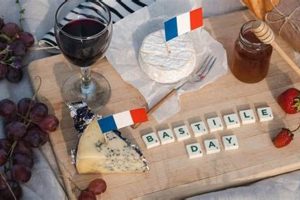
Celebrations commemorating the storming of the Bastille on July 14th often feature specific beverages that complement the festive atmosphere. These concoctions can range from classic French wines and sparkling cocktails to refreshing non-alcoholic options, all intended to enhance the celebratory experience. For example, a crisp ros from Provence or a Kir Royale would be appropriate choices.
The selection of drinks for this national holiday allows individuals to connect with French culture and traditions. The consumption of regional wines and spirits can serve as a tangible link to the nation’s rich history. Shared enjoyment of specially prepared beverages adds to the sense of communal celebration and national pride during the festivities.
The subsequent sections will explore specific types of beverages frequently enjoyed during this annual commemoration, detailing their preparation, cultural significance, and potential variations. Focus will be given to both alcoholic and non-alcoholic options to cater to a diverse range of preferences.
Tips for Enjoying Bastille Day Drinks
Maximizing the Bastille Day celebration often involves careful consideration of beverage selection and responsible consumption. The following tips provide guidance for a safe and enjoyable experience.
Tip 1: Prioritize French Wines: Enhance authenticity by selecting wines from renowned French regions such as Bordeaux, Burgundy, or Champagne. Appellation d’Origine Contrle (AOC) labeling ensures quality and regional specificity.
Tip 2: Explore Sparkling Cocktails: Incorporate French sparkling wine, such as Crmant or Champagne, into cocktails. A Kir Royale, consisting of Crmant and cassis liqueur, provides a festive and refreshing option.
Tip 3: Offer Non-Alcoholic Alternatives: Ensure inclusivity by providing a selection of non-alcoholic beverages. Sparkling cider or fruit-infused water can provide appealing alternatives for individuals who do not consume alcohol.
Tip 4: Consider Food Pairings: Select beverages that complement the planned menu. A crisp white wine, like Sancerre, pairs well with seafood, while a light-bodied red wine, such as Beaujolais, is suitable for charcuterie.
Tip 5: Practice Responsible Consumption: Adhere to legal drinking ages and promote moderation. Provide ample water and food to mitigate the effects of alcohol.
Tip 6: Prepare in Advance: Pre-chill beverages and prepare cocktail ingredients ahead of time. This minimizes stress during the celebration and allows hosts to engage fully with guests.
Tip 7: Emphasize Presentation: Enhance the aesthetic appeal by serving drinks in appropriate glassware and using garnishes. This elevates the overall experience and contributes to the celebratory atmosphere.
Proper planning and adherence to these guidelines will result in a safer and more memorable Bastille Day celebration, centered around the responsible enjoyment of appropriate beverages.
The following section provides information about specific popular recipes and their historical contexts, offering a deeper understanding of the holiday’s beverage traditions.
1. French wine selections

French wine selections form a cornerstone of Bastille Day celebrations, reflecting the nation’s rich viticultural heritage and adding depth to the holiday’s significance. The specific wines chosen often carry symbolic weight, and understanding the connection enhances the appreciation of the festivities.
- Regional Representation
Bastille Day frequently provides an opportunity to showcase wines from various regions of France. Bordeaux, Burgundy, the Loire Valley, and Champagne are often represented, reflecting the diversity and quality of French winemaking. Choosing wines from different regions highlights the country’s geographic and cultural richness.
- Symbolic Significance
Certain wines, particularly those associated with historical events or figures, may carry symbolic significance. While no wine is explicitly linked to the storming of the Bastille, selections can subtly evoke a sense of national pride and shared heritage. The very act of choosing French wine underscores national identity.
- Pairing with Cuisine
The selection of French wines is intrinsically linked to the traditional cuisine enjoyed on Bastille Day. Regional dishes are often paired with wines from the same area, enhancing the overall sensory experience. For example, seafood dishes may be paired with crisp white wines from the Loire Valley.
- Festive Sparkling Wines
Sparkling wines, especially Champagne, are commonly featured during Bastille Day celebrations due to their celebratory nature. The popping of a Champagne cork is a visual and auditory symbol of festivity, adding to the celebratory atmosphere. These wines are used both for toasting and as ingredients in celebratory cocktails.
The careful consideration of French wine selections for Bastille Day celebrations enhances the overall experience, connecting participants to the nation’s history, culture, and culinary traditions. The chosen wines, whether still or sparkling, act as more than mere beverages; they are active participants in the commemorative atmosphere.
2. Sparkling cocktail recipes

Sparkling cocktail recipes are an integral component of Bastille Day beverage traditions, largely due to their inherent celebratory connotations and their compatibility with French culinary customs. The inclusion of sparkling wine or champagne in these recipes elevates the festive atmosphere, aligning with the national holiday’s significance. An example of this association is seen in the Kir Royale, a mixture of crme de cassis and champagne, which provides a tangible link to French gastronomy. The visual appeal of effervescence combined with the often-refined flavors of the mixed drink contributes to the overall sensory experience of the event.
Furthermore, sparkling cocktails allow for a diversification of beverage offerings, catering to a spectrum of preferences. While traditional French wines may appeal to some, sparkling cocktails present a palatable and visually interesting alternative, particularly for those less accustomed to wine or seeking a more festive option. From mimosas utilizing orange juice to more complex creations employing various liqueurs and fruit purees, sparkling cocktails add both versatility and accessibility. Understanding the role of sparkling cocktails provides event planners with the tools to curate a beverage selection that maximizes guest satisfaction and enhances the holiday’s celebratory atmosphere.
In summation, the integration of sparkling cocktail recipes within the broader context of Bastille Day drinks is driven by the need for festivity, versatility, and cultural relevance. The careful selection and preparation of these cocktails contributes significantly to the overall enjoyment of the holiday. By embracing sparkling cocktail recipes, event organizers can enrich the commemorative experience.
3. Non-alcoholic alternatives

The provision of non-alcoholic alternatives constitutes a critical, often overlooked, aspect of Bastille Day drink selections. The inclusion of such options directly addresses inclusivity, ensuring that individuals who abstain from alcohol, whether due to personal preference, health considerations, or religious reasons, can participate fully in the celebratory atmosphere. The absence of suitable non-alcoholic choices risks alienating a segment of the population and diminishing the overall communal experience. Therefore, considering these alternatives becomes an ethical and practical imperative for event organizers.
The range of potential non-alcoholic alternatives extends far beyond basic soft drinks. Sophisticated options, such as sparkling cider, non-alcoholic wine or beer, and handcrafted mocktails, can provide both visual appeal and complex flavor profiles. Sparkling cider, for example, mimics the effervescence of champagne, offering a festive alternative for toasting. Mocktails, carefully constructed with fresh ingredients and artisanal syrups, can replicate the sophistication of alcoholic cocktails without the intoxicating effects. The availability of these options allows for responsible celebration without compromising the celebratory spirit.
In conclusion, the strategic integration of non-alcoholic alternatives within the framework of Bastille Day beverages is not merely an afterthought but a necessity. It promotes inclusivity, encourages responsible celebration, and enhances the overall experience for a broader segment of the population. Neglecting these considerations undermines the spirit of unity and national pride that the holiday seeks to commemorate, thus underscoring the practical significance of thoughtfully curated non-alcoholic offerings.
4. Regional spirit representation

The inclusion of regional spirits in Bastille Day celebrations provides a tangible link to French terroir and cultural heritage. Each spirit, tied to a specific geographic area, offers a taste of the region’s unique history and production methods. The act of consuming these spirits during Bastille Day fosters a sense of national identity and pride, connecting celebrants to the broader French cultural landscape. For instance, Calvados, an apple brandy from Normandy, or Armagnac, a grape brandy from Gascony, when featured, are not merely alcoholic beverages; they are distillations of the region’s agricultural identity.
The selection of regional spirits allows for a more nuanced exploration of French traditions beyond the well-known realm of wine. Pastis, with its anise flavor profile, represents the south of France and its association with leisurely afternoons. Chartreuse, produced by monks in the Isre region, provides an example of a spirit with a history intertwined with monastic traditions. The conscious inclusion of these spirits in Bastille Day festivities allows for both greater diversity in beverage offerings and a deeper engagement with the nation’s cultural tapestry. This conscious choice has also positive financial impacts on local distilleries.
In summary, regional spirit representation on Bastille Day serves to reinforce cultural identity, promote regional diversity, and enhance the overall celebratory experience. The strategic selection and promotion of these spirits provide a practical means of connecting celebrants to France’s rich heritage and fostering a greater appreciation for the nation’s distinctive regional identities. The choice of regional spirit is an opportunity to engage more fully with the traditions the holiday represents.
5. Responsible consumption practices

Bastille Day celebrations, often involving the consumption of various beverages, necessitate a deliberate emphasis on responsible consumption practices. The increased availability and cultural acceptance of alcoholic drinks during the festivities create a heightened risk of overindulgence. Irresponsible consumption can lead to adverse effects, including impaired judgment, accidents, and public disturbances, thereby undermining the celebratory atmosphere and potentially causing harm to individuals and the community. A commitment to responsible practices mitigates these risks.
Implementing responsible consumption measures during Bastille Day celebrations translates to concrete actions. These may include providing ample non-alcoholic beverage options, ensuring readily available water, offering substantial food to accompany alcoholic drinks, and promoting awareness of legal drinking limits. Event organizers often play a pivotal role in establishing these guidelines. For example, public events may feature designated driver programs or provide transportation alternatives to reduce instances of impaired driving. Additionally, bartenders and servers should be trained to recognize signs of intoxication and to refuse service to individuals who have exceeded their limits. The provision of accessible information regarding safe drinking practices contributes to a culture of responsibility.
Failure to prioritize responsible consumption can have significant consequences. Increased rates of alcohol-related incidents strain emergency services and divert resources from other critical needs. Furthermore, negative portrayals of Bastille Day celebrations due to alcohol-fueled misbehavior can tarnish the holiday’s image and detract from its historical significance. By integrating responsible consumption as a fundamental component of Bastille Day celebrations, communities can foster a safer and more enjoyable experience for all participants, preserving the holiday’s cultural value while minimizing potential harm.
Frequently Asked Questions
The following section addresses common inquiries regarding the selection and consumption of beverages during Bastille Day celebrations. These questions aim to provide clarity and promote a more informed and responsible approach to the holiday’s traditions.
Question 1: What is the significance of serving French wine on Bastille Day?
Serving French wine on Bastille Day is symbolic. It represents an acknowledgment of the nation’s rich viticultural heritage and its contribution to French culture. Wine selection can be a demonstration of national pride.
Question 2: Are there specific alcoholic beverages traditionally associated with Bastille Day celebrations?
While no single alcoholic beverage is exclusively tied to Bastille Day, French wines (e.g., Bordeaux, Champagne) and sparkling cocktails (e.g., Kir Royale) are commonly featured. Regional spirits like Calvados or Pastis may also be included.
Question 3: What are some appropriate non-alcoholic options for Bastille Day festivities?
Suitable non-alcoholic alternatives include sparkling cider, non-alcoholic wine or beer, and handcrafted mocktails. These options ensure inclusivity for individuals who do not consume alcohol.
Question 4: How can one ensure responsible alcohol consumption during Bastille Day celebrations?
Responsible consumption practices involve providing ample non-alcoholic beverage options, ensuring readily available water, offering substantial food, and promoting awareness of legal drinking limits. Transportation alternatives may also be considered.
Question 5: Is it appropriate to incorporate beverages from regions outside of France during Bastille Day?
While celebrating French culture is the primary focus, the inclusion of beverages from other regions is permissible based on personal preference. However, emphasis should be placed on highlighting French drinks.
Question 6: What steps can event organizers take to promote safe and enjoyable Bastille Day celebrations concerning beverage consumption?
Event organizers should provide diverse beverage options (including non-alcoholic alternatives), promote responsible consumption messaging, train staff to recognize signs of intoxication, and offer transportation alternatives to reduce impaired driving.
In summary, the thoughtful selection and responsible consumption of beverages contribute significantly to a successful and culturally meaningful Bastille Day celebration. Planning is key.
The following section offers concluding thoughts on the overall impact of Bastille Day drinks.
Conclusion
This exploration has demonstrated that the selection and consumption of “bastille day drinks” extends beyond mere refreshment. Beverages chosen for this occasion function as tangible symbols of French cultural heritage, regional diversity, and national identity. Responsible consumption practices, coupled with inclusive beverage options, contribute to a safer and more meaningful celebration of this pivotal historical event.
Moving forward, a continued emphasis on responsible celebration, coupled with a deeper appreciation for the cultural significance embedded within beverage choices, will further enhance the Bastille Day experience. Promoting conscious consumption and thoughtful beverage selection will reinforce the holiday’s inherent values of liberty, equality, and fraternity for generations to come. The thoughtful integration of tradition and responsibility ensures a richer, more meaningful commemoration.