Celebrations commemorating the storming of the Bastille, a pivotal moment in the French Revolution, often encompass a wide array of events. These events, planned around July 14th, range from formal military parades and official ceremonies to more informal public gatherings, concerts, and firework displays. An example includes the traditional military parade down the Champs-lyses in Paris, followed by local festivities in towns and villages across France.
Participating in these observances allows for a deeper understanding and appreciation of French history and culture. The events provide an opportunity to reflect on the values of liberty, equality, and fraternity, which are central to the French Republic. These commemorations also contribute to a sense of national unity and shared identity.
The following sections will detail specific examples of potential public engagement, ranging from cultural performances and culinary experiences to historical reenactments and opportunities for community involvement. The intention is to provide a diverse range of possibilities for those wishing to mark the occasion.
Guidance for Bastille Day Engagement
To maximize the experience of commemorating this historical event, the following points offer helpful suggestions.
Tip 1: Research Local Events: Prior to the day, investigate scheduled commemorations in nearby towns or cities. Municipal websites and local news outlets often publish detailed schedules.
Tip 2: Arrive Early for Popular Events: For high-profile events such as the military parade or fireworks displays, securing a viewing spot requires early arrival due to high attendance.
Tip 3: Understand the Historical Context: Familiarize oneself with the history surrounding the storming of the Bastille and its significance in the French Revolution to enhance the understanding of the event.
Tip 4: Respectful Attire: While not always explicitly stated, dressing respectfully demonstrates regard for the occasion, particularly at formal ceremonies.
Tip 5: Observe Public Safety Guidelines: Heed instructions from authorities regarding crowd control, security measures, and restricted areas to ensure personal safety and the safety of others.
Tip 6: Explore Cultural Offerings: In addition to formal events, seek out related cultural events such as concerts, theatrical performances, or museum exhibitions that may be scheduled to coincide with the anniversary.
Tip 7: Support Local Businesses: Consider patronizing local businesses, restaurants, and shops that may be offering themed specials or events, thereby contributing to the local economy.
Adhering to these recommendations can foster a more meaningful and enjoyable experience while participating in the Bastille Day commemorations.
The subsequent section will conclude this exploration, summarizing the overall impact of marking this significant historical occasion.
1. Parades and military displays

Parades and military displays represent a significant component of Bastille Day observances. These events serve not only as a demonstration of national defense capabilities but also as a symbolic representation of the values and history associated with the French Revolution.
- Symbolism of National Unity
Military parades symbolize the unity of the French nation, bringing together diverse elements of society under a common banner. The synchronized movements and coordinated displays are intended to project an image of strength and cohesion. An example is the traditional parade down the Champs-lyses in Paris, which showcases various branches of the armed forces.
- Honoring the Armed Forces
These displays provide an opportunity to honor the men and women serving in the French armed forces. The parades recognize their contributions to national security and international peacekeeping efforts. Military personnel march in formation, and aircraft perform aerial displays, highlighting the capabilities of the nation’s defense apparatus.
- Historical Commemoration
Military displays on Bastille Day often incorporate historical elements, referencing key events and figures from French military history. Uniforms, flags, and weaponry from different eras may be showcased, connecting the modern armed forces to their historical roots. This serves as a reminder of the sacrifices made in defense of the nation.
- Public Engagement and Spectacle
Parades and military displays are designed to engage the public, providing a spectacle that reinforces national identity and pride. The events attract large crowds, both domestic and international, who gather to witness the displays of military prowess. The precision and grandeur of these events contribute to the overall celebratory atmosphere of Bastille Day.
These facets of parades and military displays highlight their multifaceted role in Bastille Day celebrations. They are not merely displays of military might but also symbolic representations of national unity, historical commemoration, and public engagement, collectively contributing to the significance of the day.
2. Public Gatherings and Festivals

Public gatherings and festivals are integral to Bastille Day commemorations. These events transform the holiday from a purely historical observance into a communal celebration, allowing individuals to actively participate in the remembrance of the French Revolution. The cause is the desire to foster national unity and to provide accessible venues for individuals to celebrate French heritage; the effect is a diverse range of activities and a heightened sense of civic pride.
The significance of public gatherings and festivals lies in their capacity to provide diverse recreational and educational avenues. Consider the Fte de la Fdration, a large-scale public gathering held in Paris on July 14, 1790, a year after the storming of the Bastille. This event sought to solidify national unity and popularize the ideals of the Revolution. Modern festivals echo this sentiment, frequently featuring live music, food stalls offering traditional French cuisine, and activities for children, thereby appealing to a broad spectrum of the population. Local authorities and community organizations often coordinate these events, ensuring that they are accessible and inclusive.
Understanding the role of public gatherings and festivals in relation to Bastille Day is crucial for comprehending the holiday’s cultural and social impact. These celebrations serve as a reminder of the ideals of the French Revolution and promote a sense of shared identity among citizens. The practical application of this understanding lies in encouraging participation in such events, fostering a deeper appreciation of French history and culture, and reinforcing the values of liberty, equality, and fraternity that underpin the French Republic.
3. Fireworks and Light Shows

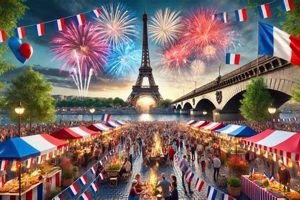
Fireworks and light shows constitute a prominent element of Bastille Day activities, serving as a visually compelling and emotionally resonant culmination to the day’s celebrations. The cause of their inclusion is rooted in the desire to create a shared experience that reinforces national identity and commemorates the historical significance of the event. The effect is a widespread display of pyrotechnic artistry, captivating audiences and fostering a sense of collective awe. A notable example is the annual fireworks display over the Eiffel Tower in Paris, drawing vast crowds and broadcasted nationally. The importance of these displays stems from their ability to transcend linguistic and cultural barriers, offering a universal form of entertainment that resonates with diverse populations. The light shows often incorporate thematic elements related to French history and culture, thereby enhancing their educational and symbolic value.
Analyzing the practical significance of fireworks and light shows reveals their contribution to local economies through tourism and event-related spending. Municipalities invest in these displays to attract visitors and generate revenue for local businesses. The planning and execution of these events require specialized expertise, creating employment opportunities in pyrotechnics, event management, and security. Moreover, these displays provide a platform for artistic expression, with designers and technicians pushing the boundaries of pyrotechnic technology and creative design. The use of advanced lighting techniques and synchronized musical scores further enhances the immersive experience for spectators. An example of this is the incorporation of laser projections and drone formations into modern light shows, adding a contemporary dimension to the traditional fireworks display.
In summary, fireworks and light shows represent a crucial component of Bastille Day celebrations, serving as both a visual spectacle and a symbol of national unity. The challenges associated with organizing these events, such as ensuring public safety and minimizing environmental impact, require careful planning and responsible execution. By understanding the historical context, economic implications, and artistic potential of these displays, individuals can more fully appreciate their significance within the broader framework of Bastille Day activities, thereby contributing to a more informed and meaningful celebration of French national identity.
4. Historical Reenactments
Historical reenactments, as components of Bastille Day observances, provide a tangible link to the events of the French Revolution, moving beyond abstract commemorations to offer visceral engagement with the past. The cause driving their inclusion is the desire to educate and immerse audiences in the historical context of the storming of the Bastille and its associated social and political upheavals. The effect is a heightened sense of understanding and empathy for the individuals and events that shaped modern France. An example is the reenactment of the storming of the Bastille itself, often performed at or near the site of the original event, drawing participants and spectators alike. The importance of these reenactments lies in their capacity to make history more accessible and memorable, fostering a deeper connection to national heritage.
The practical significance of historical reenactments extends beyond mere entertainment. They serve as educational tools, providing insights into the daily lives, social structures, and political ideologies of the late 18th century. Costumed participants embody historical figures, enacting pivotal moments and engaging in dialogue that reflects the sentiments of the time. The detail afforded to accuracy in attire, weaponry, and social interactions contributes to the authenticity of the experience, minimizing the distance between contemporary audiences and historical actors. Furthermore, these events often incorporate interactive elements, allowing spectators to participate in simulated revolutionary activities, such as signing petitions or engaging in debates. In this, those who attend the event are more in tune with what happened that time.
In summary, historical reenactments represent a valuable and engaging facet of Bastille Day celebrations. These reenactments serve as both educational experiences and community events. Their effectiveness hinges on historical accuracy and audience engagement. Through such endeavors, citizens are better able to understand and appreciate the historical foundation upon which the nation was built. Careful planning and responsible execution are essential to ensure that these reenactments serve as informative and respectful tributes to the past.
5. Culinary and Cultural Events

Culinary and cultural events are integral to Bastille Day observances, providing avenues for experiencing French heritage beyond purely historical or political commemorations. These events engage the senses and foster a deeper appreciation for the nation’s identity.
- Regional Cuisine Showcases
Bastille Day celebrations often incorporate showcases of regional French cuisine. These events highlight the diversity of culinary traditions across France, featuring local specialties, wine pairings, and cooking demonstrations. The implications are a celebration of gastronomic heritage and the support of local producers.
- Traditional Music and Dance Performances
Performances of traditional French music and dance are frequently staged during Bastille Day. These performances preserve and promote cultural traditions, providing a window into the artistic expressions of different regions and historical periods. The presence of the Marseillaise is a constant feature.
- Art Exhibitions and Craft Fairs
Bastille Day celebrations may include art exhibitions and craft fairs, showcasing the work of local artists and artisans. These events support the creative arts and provide opportunities for the public to engage with contemporary and traditional art forms. These exhibitions are a reflection of past, present and future.
- Themed Festivals and Street Fairs
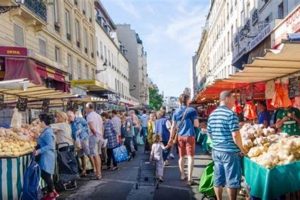
Many towns and cities organize themed festivals and street fairs around Bastille Day. These events often feature historical reenactments, live music, food stalls, and activities for children, creating a festive atmosphere and engaging the entire community in the celebration. Often, these are celebrations of national pride.
These multifaceted culinary and cultural events enrich Bastille Day, providing diverse means of celebrating French identity and heritage. They transform the holiday from a purely historical commemoration into a vibrant cultural experience, fostering a deeper connection to the nation’s past and present.
Frequently Asked Questions About Bastille Day Engagements
This section addresses common inquiries regarding commemorations of the French National Day, July 14th, often referred to as Bastille Day.
Question 1: What is the historical significance of Bastille Day?
Bastille Day commemorates the storming of the Bastille on July 14, 1789, a pivotal event in the French Revolution. The Bastille, a medieval fortress and prison, symbolized royal authority and oppression. Its capture marked a turning point in the Revolution, leading to the overthrow of the monarchy and the establishment of the French Republic.
Question 2: What types of events typically occur on Bastille Day?
Commemorations vary but frequently include military parades, public festivals, fireworks displays, historical reenactments, and cultural events. The military parade on the Champs-lyses in Paris is a prominent event, showcasing national defense capabilities. Local communities often organize festivals featuring music, food, and activities for all ages.
Question 3: Are Bastille Day events typically free and open to the public?
Many Bastille Day events are free and open to the public, particularly outdoor festivals and fireworks displays. However, some events, such as concerts or theatrical performances, may require ticket purchases. It is advisable to check event details in advance to confirm admission requirements.
Question 4: How can individuals participate in Bastille Day commemorations?
Individuals can participate by attending public events, such as parades and festivals. Engaging with French history and culture can also enhance participation through reading books, watching documentaries, or visiting museums related to the French Revolution. Supporting local businesses that offer themed specials or events is another avenue for involvement.
Question 5: What is the appropriate attire for Bastille Day events?
While there is no strict dress code, dressing respectfully is advisable, particularly for formal ceremonies. Wearing the colors of the French flag (blue, white, and red) is a common way to show support and celebrate national pride. Comfort and practicality are also important considerations, especially for outdoor events.
Question 6: What safety precautions should be taken when attending Bastille Day events?
Attendees should heed instructions from authorities regarding crowd control, security measures, and restricted areas. It is advisable to arrive early for popular events to secure a viewing spot and avoid overcrowding. Remaining aware of surroundings and reporting any suspicious activity to security personnel are essential safety precautions.
In summary, participating in Bastille Day events offers an opportunity to celebrate French history, culture, and national identity while fostering a sense of community.
The subsequent section will provide resources for further exploration of Bastille Day commemorations.
Conclusion
This exploration has detailed a spectrum of activities for Bastille Day, ranging from formal military parades to local cultural celebrations. Each offers a distinct avenue for engaging with the historical significance of July 14th and its impact on French national identity. The multifaceted nature of these eventsparades, festivals, fireworks, reenactments, and culinary showcasescollectively commemorates the values of the French Revolution.
Understanding the historical context and participating in appropriate observances enables a deeper appreciation of the event’s enduring legacy. As such, continued engagement with these activities fosters a more informed and meaningful recognition of France’s revolutionary heritage and its ongoing influence on global ideals of liberty and equality.