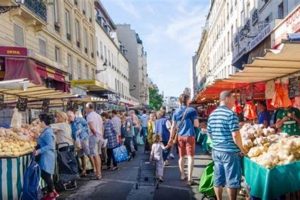
The operational status of businesses and services on the French National Day, celebrated annually on July 14th, varies significantly. While it is a public holiday, understanding the extent of closures requires a nuanced perspective. For example, government offices and banks typically observe the holiday, curtailing their services for the day.
The holiday commemorates a pivotal event in French history and is therefore marked by official ceremonies and celebrations. Many businesses, particularly smaller, family-run establishments, may choose to close to allow their employees to participate in these festivities. However, tourist areas and larger commercial centers often remain open, recognizing the influx of visitors and potential for business. Transportation services generally operate, though possibly with reduced schedules.
To ascertain the availability of specific services or establishments, it is advisable to consult directly with the entity in question. This proactive approach mitigates potential disruptions and ensures accurate information regarding accessibility on the national holiday.
Understanding the operational landscape on the French National Day requires careful planning and consideration. The following tips provide guidance for mitigating potential inconveniences.
Tip 1: Confirm Governmental Service Availability: Government offices and administrative services frequently observe closures on this public holiday. Verify operational status in advance of attempting to access these services.
Tip 2: Anticipate Banking Service Disruptions: Banks typically close on the French National Day. Plan financial transactions accordingly to avoid potential delays or inconveniences.
Tip 3: Research Retail Establishment Hours: While many businesses remain open, particularly in tourist areas, smaller shops may choose to close. Confirm operating hours directly with specific retailers.
Tip 4: Review Transportation Schedules: Public transportation typically operates, although service may be reduced. Consult official transit authority websites for updated schedules and potential route modifications.
Tip 5: Plan for Restaurant and Dining Variations: Restaurants located in tourist hotspots are likely to maintain normal hours. Smaller, independent eateries may opt for closure. Confirm availability beforehand.
Tip 6: Account for Potential Museum and Attraction Closures: Many museums and tourist attractions remain open, offering special events. However, it is prudent to check websites for specific hours and potential holiday closures.
Proactive planning and verification are essential to navigate potential closures and service limitations that may occur on the French National Day. This minimizes disruption and ensures a more seamless experience.
Preparation significantly contributes to successful engagement during national holidays. Consider this advice for related future situations.
1. Government services

The operational status of government services on Bastille Day (July 14th) is a key determinant in addressing the question of general closures. While not everything ceases operation, the partial closure of government entities significantly impacts citizens and visitors relying on administrative functions.
- Reduced Availability of Administrative Offices
Many government administrative offices, including those handling citizen services such as ID processing, permits, and licenses, operate on a reduced schedule or close entirely. This impacts citizens needing to access these services on the holiday, requiring advance planning or postponement of administrative tasks. For example, individuals needing to renew passports may find offices closed, potentially affecting travel plans.
- Suspension of Non-Essential Public Services
Non-essential public services offered by governmental bodies are typically suspended for the duration of the holiday. This can include services such as public works projects, non-emergency maintenance, and certain regulatory functions. While essential services like law enforcement and emergency medical care remain operational, the absence of these supplementary services may create temporary inconveniences for the public.
- Impact on Judicial Proceedings
Courts and judicial institutions generally observe the holiday, leading to the postponement of hearings and legal proceedings. This affects individuals involved in ongoing legal cases or those seeking legal recourse. The closure of courts necessitates rescheduling, potentially causing delays in the resolution of legal matters.
- Limited Accessibility of Public Institutions
Certain public institutions, such as libraries, archives, and some museums directly operated by the government, may alter their operating hours or close completely. This limits public access to cultural resources and informational repositories on the holiday. Tourists and researchers planning visits to these institutions must verify their operating schedules beforehand to avoid disappointment.
The partial closure of government services on Bastille Day underscores the complexity of ascertaining whether “everything is closed.” While private businesses may choose to remain open, the restricted availability of crucial government functions necessitates careful planning and highlights the need for individuals to anticipate potential disruptions to administrative processes on this national holiday.
2. Banking

The customary closure of banking institutions on Bastille Day significantly contributes to the perception that services are broadly unavailable. While not a complete shutdown of all commerce and activity, the absence of banking services creates practical impediments for transactions and financial operations. This closure directly affects businesses reliant on daily deposits, individuals requiring access to funds, and tourists needing currency exchange or banking support. For example, a small business dependent on depositing daily revenue may face cash flow challenges due to the bank’s closure, or a visitor arriving without local currency may encounter difficulties obtaining euros until the following business day.
The impact extends beyond immediate financial transactions. Businesses often rely on banking services for payroll processing, vendor payments, and other essential financial activities. The closure can therefore create ripple effects, delaying payments and potentially affecting operational efficiency. Moreover, the unavailability of ATMs in certain locations can exacerbate the inconvenience, limiting access to cash and affecting consumer spending. The historical precedent of observing national holidays with bank closures reinforces the expectation and the need for proactive planning. While online banking services may remain accessible, they do not fully compensate for the absence of physical bank branches, especially for those who rely on in-person assistance.
In conclusion, while the phrase “is everything closed on Bastille Day” is not entirely accurate, the almost universal closure of banking facilities represents a substantial limitation on financial activity. This aspect highlights the need for individuals and businesses to anticipate the disruption and make necessary arrangements in advance. The banking sector’s closure underscores the holiday’s impact on daily life and economic activities, warranting careful consideration and preparation to mitigate potential inconveniences.
3. Retail

The assertion that retail establishments exhibit variable closure patterns directly addresses the broad question of operational status on Bastille Day. Unlike government or banking sectors, retail presents a heterogeneous landscape, necessitating a nuanced understanding of accessibility.
- Size and Ownership Influence
Large chain stores and established businesses, particularly those in tourist-heavy areas, are more likely to maintain regular hours or operate on a reduced schedule. Conversely, smaller, independently owned shops frequently choose to close, granting employees the holiday. The variable stems from differing business strategies and owner priorities.
- Geographic Location Impacts Availability
Retail establishments located in central Paris or popular tourist destinations are more inclined to remain open to capitalize on increased foot traffic. Outlying areas or residential neighborhoods may see a higher proportion of closures as local businesses cater to a different customer base and community values.
- Type of Retail Establishment Matters
Essential retail, such as pharmacies or grocery stores, may offer limited hours to serve immediate needs. Non-essential retail, like clothing boutiques or specialty shops, are more prone to complete closure. This distinction reflects the perceived necessity of goods and services on a public holiday.
- Labor Laws and Union Agreements Play a Role
Specific labor laws and collective bargaining agreements can influence whether retail businesses can legally mandate employees to work on Bastille Day. Union agreements may stipulate higher wages or voluntary shifts, affecting the decision to open or close. Compliance with regulations shapes the landscape of retail availability.
The heterogeneous nature of retail closures highlights the difficulty in providing a definitive answer regarding the overall availability of services on Bastille Day. While some sectors, like government and banking, exhibit more consistent closure patterns, retail’s variability necessitates individual verification. The answer to “is everything closed on Bastille Day” remains a qualified “no,” largely due to the diverse operational choices made by retail businesses.
4. Transportation

The altered operating status of transportation systems during Bastille Day significantly influences the perception of widespread closures. While a complete cessation of all activity is not the case, the implementation of reduced transportation schedules affects accessibility and mobility, impacting the extent to which individuals can participate in customary activities.
- Frequency of Service Decreases
Public transportation networks, including metros, buses, and trains, often operate with fewer scheduled departures and arrivals on Bastille Day. This reduced frequency necessitates longer wait times and can limit the ability to efficiently travel between locations. For example, a commuter accustomed to trains arriving every 10 minutes may experience 20-minute intervals, influencing travel decisions and potentially leading to delays.
- Limited Coverage on Certain Routes
Specific routes, particularly those serving less populated areas or locations with fewer tourist attractions, may experience curtailed service or complete suspension for the day. This decreased coverage disproportionately affects residents in these areas, restricting their access to essential services and leisure activities. A resident relying on a bus route that is not operating may face challenges accessing grocery stores or medical facilities.
- Impact on Commuting Patterns
The reduction in transportation services can significantly alter commuting patterns, forcing individuals to seek alternative means of travel such as taxis, ride-sharing services, or personal vehicles. This shift increases demand on these alternative options, potentially leading to higher fares, longer wait times, and traffic congestion. Individuals commuting to work may experience increased expenses and delays due to limited public transport options.
- Accessibility to Events and Celebrations
Bastille Day is typically marked by public events and celebrations, often located in central areas of cities. Reduced transportation schedules can hinder accessibility to these events, limiting the ability of individuals to participate in national festivities. Families wishing to attend fireworks displays or parades may find it challenging to reach the event locations due to fewer public transport options.
The implementation of reduced transportation schedules on Bastille Day contributes substantially to the overall impression of diminished accessibility and activity. While not everything ceases to operate, the limitations imposed by altered transportation services directly impact the ability of individuals to navigate and engage with their surroundings, reinforcing the need for proactive planning and awareness of the reduced availability of mobility options during the national holiday.
5. Restaurants

The persistent operation of restaurants in tourist areas on Bastille Day directly counters the notion that everything ceases activity. While government offices and certain businesses may close, the sustained availability of dining options within tourist zones indicates a calculated response to anticipated demand. This operational decision arises from several factors, including the influx of visitors, the potential for increased revenue, and the relative absence of local residents during holiday travel. For example, restaurants near the Eiffel Tower or along the Champs-lyses are likely to remain open, recognizing the sustained flow of tourists seeking meals and refreshments throughout the day. This counters the broad generalization of widespread closures.
The continued functioning of these establishments offers practical benefits for tourists, providing essential services such as food and beverage provision. Without these operational restaurants, visitors might face significant challenges accessing basic needs, potentially detracting from their overall experience. Moreover, the presence of open restaurants contributes to a sense of normalcy and activity within tourist areas, mitigating the perception of complete standstill. This economic activity also supports local employment, providing income for service staff who work on the holiday. The economic importance of tourism in France motivates businesses to remain open, further challenging the sentiment of universal closures. Many tourists specifically visit France to participate in Bastille Day celebrations, and readily available restaurant options ensure a positive tourism experience for these foreign visitors.
In summary, the specific operational status of restaurants in tourist areas is a critical factor in evaluating the overall extent of closures on Bastille Day. Their continued availability demonstrates that the generalization of “everything closed” is an overstatement. While certain sectors may curtail operations, the deliberate maintenance of service in tourist areas reflects an economic strategy and provides practical benefits to visitors, fundamentally shaping the experience of the national holiday. Challenges, however, may persist in non-tourist areas, necessitating advance planning for dining arrangements outside of the main tourist centers.
6. Museums

The operational status of museums on Bastille Day presents a notable complexity when addressing the question of comprehensive closures. The directive to verify specific hours underscores the variability in accessibility and necessitates proactive investigation rather than assumption.
- Varied Institutional Policies
Individual museums establish independent operational policies for public holidays. Some institutions may maintain regular hours, others might offer reduced schedules, while still others opt for complete closure. This heterogeneity stems from factors such as funding models, staffing availability, and curatorial decisions. For instance, a national museum funded by the government may remain open to celebrate the holiday, whereas a smaller, privately-run museum might choose to close due to staffing constraints. Consequently, generalizations about museum accessibility on Bastille Day are unreliable.
- Special Events and Programming
Certain museums may offer special events or programming specifically for Bastille Day, influencing their operating hours. These events can lead to extended hours, altered admission fees, or modified exhibition schedules. Conversely, preparation for such events might necessitate temporary closures or restricted access to certain areas of the museum. For example, a museum hosting a Bastille Day concert could extend its evening hours, while another might close a wing to set up a themed exhibit. These temporary adjustments further complicate assessing whether “everything is closed.”
- Impact of Union Agreements
Union agreements governing museum staff can significantly influence operating hours and staffing levels on public holidays. These agreements may stipulate overtime pay, voluntary work arrangements, or mandatory closures. Compliance with these agreements directly affects the museum’s ability to maintain regular hours. If a union contract mandates premium pay for Bastille Day work, a museum might reduce hours to minimize expenses. Therefore, understanding labor agreements is crucial to interpreting the call to “check specific hours.”
- Tourism and Economic Considerations
Museums in highly touristed areas often prioritize remaining open on Bastille Day to capitalize on increased visitor numbers. The economic incentive to cater to tourists outweighs the costs associated with holiday operations. However, even in these areas, the decision to open or close may depend on factors such as predicted attendance, marketing strategies, and available resources. A museum anticipating a large influx of visitors from abroad might extend its hours, whereas another, expecting lower attendance, might opt for a shorter day or complete closure. The economic drivers affecting museum access exemplify the need for individual verification.
The directive to ascertain specific museum hours highlights a fundamental aspect of operational realities on Bastille Day. The presence of varied institutional policies, special events, union agreements, and economic considerations collectively undermine the assumption of universal closure. This necessitates a proactive approach to information gathering, demonstrating that, in reality, museum accessibility on Bastille Day is highly contextual and requires direct investigation rather than broad generalizations.
Frequently Asked Questions Regarding Operational Status on Bastille Day
This section addresses common inquiries concerning business and service availability on the French National Day, observed annually on July 14th. The information presented aims to clarify the extent of closures and provide guidance for planning activities.
Question 1: Are government offices accessible on Bastille Day?
Government offices typically observe the holiday. Access to administrative services is generally restricted, requiring advance planning for necessary transactions.
Question 2: Do banking institutions maintain regular hours on July 14th?
Banking institutions are typically closed on Bastille Day. Financial transactions requiring in-person services necessitate prior arrangement or postponement until the following business day.
Question 3: Does the retail sector universally cease operations on the French National Day?
The retail sector exhibits variability. Essential retail establishments, such as pharmacies, may offer limited hours, while non-essential businesses may close. Tourist areas often maintain greater operational activity.
Question 4: What is the operational status of public transportation on Bastille Day?
Public transportation systems generally operate on reduced schedules. Increased wait times and potential route modifications are anticipated, necessitating prior schedule verification.
Question 5: Are restaurant services available on the national holiday?
Restaurant availability varies. Tourist zones typically maintain regular hours to accommodate visitors, whereas smaller, independent eateries may close. Direct confirmation with specific restaurants is advisable.
Question 6: Is access to museums and cultural attractions guaranteed on Bastille Day?
Museum access requires individual verification. Operational status is subject to institutional policies, special events, and potential staffing constraints. Consulting official websites for specific hours is recommended.
In conclusion, the operational landscape on Bastille Day is multifaceted. While certain sectors observe closures, others maintain partial or full operations. Proactive inquiry remains the most reliable method for ascertaining the availability of specific services and establishments.
Further exploration into potential disruptions and planning strategies is warranted to ensure seamless engagement during future national holidays.
Is Everything Closed on Bastille Day
This exploration has clarified that the query, “is everything closed on Bastille Day,” elicits a complex response. While governmental services and banking institutions generally curtail operations, the retail and restaurant sectors exhibit variability, particularly in tourist zones. Public transportation operates on a reduced schedule, and museum access necessitates individual verification. Therefore, the assertion of universal closure is inaccurate.
The multifaceted operational landscape on Bastille Day demands proactive planning and individualized inquiry. Understanding these nuances is crucial for minimizing disruption and optimizing engagement with this significant national holiday. Subsequent years will likely reflect similar patterns, emphasizing the ongoing need for diligent preparation.