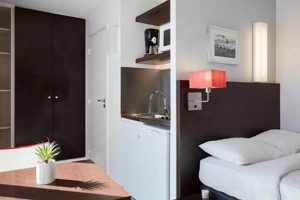
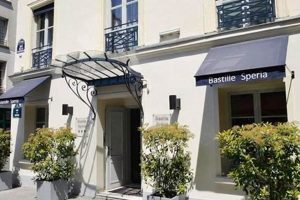
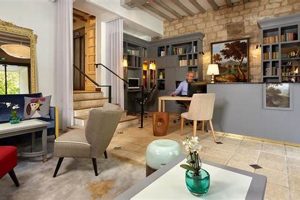
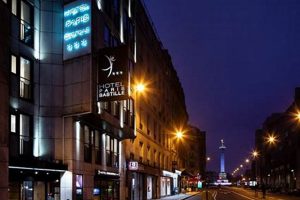
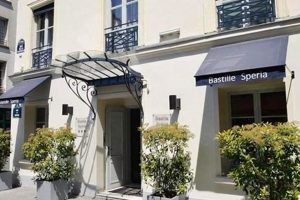
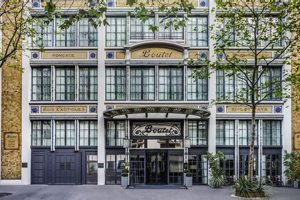
The Bastille area of Paris, steeped in historical significance, offers a diverse array of lodging options ranging from budget-friendly accommodations to luxury establishments. This geographical area, located in the eastern part of the city, is centered around the Place de la Bastille, a square commemorating the storming of the Bastille prison during the French Revolution. Hotels in this district provide convenient access to many of the city’s attractions.
The appeal of selecting accommodations within the Bastille quarter lies in its vibrant atmosphere, characterized by a mix of historical landmarks, contemporary art galleries, and bustling nightlife. Its central location provides excellent connectivity to other Parisian districts via the city’s efficient public transportation network. Furthermore, the area benefits from a lower cost of living compared to more tourist-heavy neighborhoods, allowing for potentially more economical lodging choices. The historical narrative associated with the location adds cultural richness to the visitor experience.
The ensuing sections will explore the different types of lodging available in this Parisian neighborhood, delving into considerations for selecting appropriate accommodations, analyzing price variances, and examining the proximity of said lodgings to points of interest.
Selecting Accommodations in the Bastille Area
Careful consideration should be given to various factors when choosing lodging in the Bastille district. This section offers key considerations for a well-informed decision.
Tip 1: Proximity to Transportation: Prioritize lodgings near Metro stations such as Bastille (Lines 1, 5, and 8) or Ledru-Rollin (Line 8). Easy access to the Metro facilitates efficient travel throughout Paris, mitigating transportation costs and time spent commuting.
Tip 2: Budgetary Considerations: Establish a clear budget before initiating the search. Prices within this sector of Paris can vary significantly. Consider off-season travel for potentially lower rates.
Tip 3: Noise Levels: The Bastille area is known for its active nightlife. If tranquility is a priority, inquire about soundproofing measures when booking. Read reviews from previous guests regarding noise levels.
Tip 4: Review Security Measures: Confirm the establishment’s security protocols, including secure entry systems and nighttime security personnel. Prioritize safety and peace of mind.
Tip 5: Explore Local Amenities: Investigate the availability of nearby restaurants, supermarkets, and pharmacies. Convenient access to essential services enhances the overall stay.
Tip 6: Verify Room Amenities: Confirm the presence of desired amenities, such as Wi-Fi, air conditioning, and in-room safes. Do not assume that these features are standard; clarification is essential.
Tip 7: Read Reviews Carefully: Scrutinize online reviews from multiple sources. Pay attention to recurring themes, both positive and negative, to gain a comprehensive understanding of the accommodation’s quality and service.
By carefully evaluating these tips, individuals can effectively optimize their lodging selection in this historically rich area of Paris, ensuring a comfortable and secure visit.
The subsequent section will explore specific examples of available accommodations, applying these recommendations to facilitate a more nuanced decision-making process.
1. Location Accessibility

Accessibility profoundly influences the practicality and desirability of lodging in the Bastille area. Proximity to key transportation hubs directly affects a traveler’s ability to efficiently explore Paris and its surrounding regions. The density of Metro stations around Place de la Bastille and the surrounding streets creates a network enabling swift transit to major attractions, business districts, and other points of interest. For example, accommodations situated within a short walking distance of the Bastille, Ledru-Rollin, or Brguet-Sabin Metro stations inherently offer greater convenience, reducing both travel time and transportation expenses. The effect is a more streamlined and enjoyable visitor experience.
The absence of readily available transportation near a Bastille hotel can significantly detract from its overall appeal, irrespective of its amenities or price. Consider a hypothetical scenario: a hotel situated on a quiet street several blocks from the nearest Metro stop. While the ambiance might be appealing, the increased time and effort required to reach the city’s core can outweigh any perceived benefits. Conversely, a slightly more expensive hotel directly adjacent to a Metro station would likely prove to be a more judicious choice due to the time savings and ease of movement it affords.
In summary, location accessibility is a critical determinant of value when selecting lodging near the Bastille. Prioritizing accommodations with convenient access to the Parisian Metro system ensures a more efficient and enjoyable exploration of the city. Failure to adequately consider this factor can lead to increased travel time, higher transportation costs, and a diminished overall travel experience. Therefore, evaluating the proximity to public transport is a primary and essential step in selecting lodging in this historically significant part of Paris.
2. Price Variation

The area near the Bastille in Paris is characterized by a notable spectrum of hotel pricing. This variation stems from several influential factors, including hotel star rating, room size, included amenities, and the time of year. The proximity to Place de la Bastille itself, a significant landmark, also contributes to the differential. For example, a four-star establishment directly overlooking the Place is likely to command a higher nightly rate compared to a two-star hotel situated several streets away. Similarly, rooms with balconies, views, or additional features such as kitchenettes contribute to price escalation. The seasonality of tourism, with peak season rates significantly exceeding off-season rates, further amplifies this variation. These factors collectively generate a complex pricing landscape that prospective visitors must navigate.
The consequences of understanding price variation within the Bastille hotel market are practical and far-reaching for travelers. A clear understanding of these dynamics enables a more informed decision-making process, preventing overspending and optimizing value. Consider a traveler on a tight budget. By researching accommodations slightly further from the immediate Bastille area, they can access significantly lower rates without sacrificing essential amenities or ease of access to public transport. Conversely, travelers prioritizing convenience and luxury may willingly pay a premium for a hotel offering direct views of the Place de la Bastille and superior amenities. Therefore, awareness of these price differences facilitates a personalized selection process, aligning accommodation choices with both budgetary constraints and desired experiential attributes.
In summary, price variation constitutes a crucial dimension of the hotel landscape near the Bastille. Understanding the factors contributing to this variance, such as star rating, amenities, and seasonality, empowers travelers to make informed decisions that align with their individual needs and financial constraints. Effective navigation of this pricing landscape is essential for maximizing value and ensuring a satisfying travel experience within this historically rich and vibrant Parisian district. Failure to account for these variations can result in either overspending or compromising on essential aspects of the hotel experience.
3. Historical proximity
The term “Historical proximity,” when applied to lodging in the Bastille area of Paris, directly pertains to the hotel’s physical nearness to sites and events of historical significance. The Bastille, notorious as a former prison and symbolic of the French Revolution, lends its historical weight to the surrounding area. Hotels in close physical proximity derive inherent value from this association. This nearness affects perceptions, with guests often seeking to immerse themselves in the historical narrative by staying in this sector of the city. The Place de la Bastille, the location of the former prison, acts as a central point from which the historical resonance emanates. Hotels situated within a short walking distance of this square, or other significant historical landmarks like the Canal Saint-Martin (itself connected to revolutionary history), benefit directly from this increased desirability.
A prime example is a hotel positioned directly on the Rue de la Bastille, offering views of the July Column (Colonne de Juillet), a monument commemorating the July Revolution of 1830. Such an establishment leverages its historical context in its marketing, attracting visitors interested in experiencing Parisian history firsthand. Conversely, hotels situated further from these key sites may need to rely more on other factors, such as price or amenities, to attract guests. The effect of historical proximity extends beyond mere marketing; it influences the ambiance and experiential quality of the stay. Hotels in historical buildings, or those retaining architectural features reminiscent of past eras, further capitalize on this connection. This is particularly true for buildings that may have housed revolutionaries during their time.
In summary, historical proximity functions as a substantial value determinant for lodging options near the Bastille. It directly affects both the appeal and perceived value of hotels in the area. Understanding this connection enables informed decision-making for prospective visitors, allowing them to select accommodations that align with their historical interests. Furthermore, hoteliers benefit from recognizing the importance of historical proximity, using it to differentiate their establishments and cater to a specific segment of the tourism market. Failure to appreciate this link can result in undervaluing the unique assets of a Bastille-area hotel or overlooking a key factor in guest satisfaction.
4. Accommodation types

The diversity of accommodation types within the Bastille area significantly defines the lodging landscape. This variety ranges from budget-friendly hostels offering dormitory-style rooms to boutique hotels characterized by unique design and personalized service, and extends to established chain hotels providing standardized amenities and reliability. The locations attractiveness leads to a wide selection of options catering to distinct traveler needs and budgetary constraints. This accommodation spectrum creates a dynamic marketplace where factors such as price, location, and amenities influence consumer choice. The availability of diverse accommodation types directly impacts the overall tourist experience, allowing visitors to tailor their lodging to their specific preferences. For example, a student traveler might prioritize the affordability and social atmosphere of a hostel, while a business traveler might prefer the comfort and convenience of a full-service hotel.
The presence of these varied types also influences the local economy. Boutique hotels often contribute to the area’s unique character and appeal, supporting local businesses and artists. Conversely, larger chain hotels provide employment opportunities and contribute to the area’s tax base. Short-term rental apartments, facilitated by platforms, represent another accommodation type, impacting the long-term housing market and raising regulatory considerations for the city. Each accommodation type contributes in distinctive ways to the economic and social fabric of the Bastille district. Therefore, local regulations often are modified and updated to keep in line with current market trends.
In conclusion, understanding the spectrum of accommodation types near the Bastille is crucial for both travelers seeking appropriate lodging and for local authorities managing the area’s tourism and economic development. The available options offer varying price points, amenities, and levels of service, catering to a wide range of traveler profiles. The coexistence of these types creates a vibrant and multifaceted lodging market, contributing to the overall appeal and economic vitality of the Bastille district. Ignoring this diversity could result in poorly targeted marketing strategies or the implementation of ineffective regulatory policies.
5. Amenities Offered

The spectrum of amenities available at lodging near the Bastille district significantly influences the overall guest experience and perceived value. These offerings, ranging from fundamental necessities to luxurious extras, contribute to the attractiveness and competitiveness of individual establishments. Consequently, understanding the specific amenities provided is essential for informed decision-making.
- In-Room Technology
Modern travelers often prioritize connectivity; therefore, reliable high-speed Wi-Fi access is considered a fundamental amenity. Additionally, the presence of in-room entertainment options such as televisions with international channels, streaming capabilities, and readily available power outlets for electronic devices are critical determinants in guest satisfaction. Absence of sufficient technological infrastructure might deter tech-savvy individuals and impact business travelers who require seamless connectivity for work purposes. Some hotels provide in-room tablets with property and local information, enhancing the guest experience.
- Breakfast and Dining Options
The availability of on-site dining, particularly breakfast service, represents a significant convenience factor. Continental breakfast offerings, typically including pastries, breads, and beverages, cater to budget-conscious travelers and those seeking a quick start to their day. Hotels with full-service restaurants, bars, or room service provide enhanced dining options, appealing to guests who prefer the convenience of on-site dining. The quality and variety of these dining facilities contribute significantly to a hotel’s overall appeal. The inclusion of dietary options (vegetarian, vegan, gluten-free) enhances market reach.
- Wellness and Fitness Facilities
For health-conscious travelers, the presence of a fitness center or gym is a valued amenity. Basic fitness facilities, equipped with treadmills, stationary bikes, and free weights, cater to guests seeking to maintain their workout routines while traveling. Some hotels elevate this offering with swimming pools, spas, and wellness centers providing massage services and other therapeutic treatments. The availability of wellness facilities directly correlates with a hotel’s ability to attract health-focused clientele and enhance the overall guest experience.
- Concierge and Guest Services
The availability of concierge services provides invaluable assistance to guests navigating the Bastille area and broader Parisian region. Concierges can assist with booking tours, securing restaurant reservations, arranging transportation, and providing local insights. Multilingual staff further enhance the accessibility of these services. Efficient and knowledgeable guest services contribute to a seamless and stress-free travel experience. The presence of luggage storage facilities, laundry services, and airport shuttle assistance further enhance the convenience factor.
These facets of amenities, offered individually or collectively, define the value proposition presented by lodging in the Bastille. These elements, viewed holistically, create the overall attractiveness of a lodging option near the Bastille. The selection of these offerings directly impacts a propertys market positioning and ability to cater to the diverse needs of travelers in Paris.
6. Security Measures
Security measures represent a crucial dimension of lodging selection in the Bastille area of Paris. They encompass a range of protocols and technologies designed to safeguard guests, property, and personal belongings. Given Paris’s status as a major urban center and tourist destination, the effectiveness of security measures directly contributes to the overall sense of well-being and peace of mind experienced by visitors.
- Access Control Systems
Access control systems, including keycard entry, biometric scanning, and controlled entry points, serve as the primary defense against unauthorized access. Keycard systems restrict entry to authorized individuals, while biometric scanning provides an added layer of security through unique physiological identifiers. Controlled entry points, often staffed by security personnel, regulate access and monitor visitor traffic. Their effective implementation reduces the risk of unauthorized entry and potential security breaches within the establishment. Real-world examples include hotels employing multi-factor authentication for access to sensitive areas and integrated surveillance systems with real-time monitoring capabilities. The presence of robust access control systems reassures guests and deters potential threats. Hotels near the Bastille often upgrade these systems regularly.
- Surveillance Technology
Surveillance technology, predominantly closed-circuit television (CCTV) systems, plays a vital role in monitoring hotel premises and deterring criminal activity. Strategically positioned cameras in public areas, hallways, and entrances provide continuous surveillance, capturing visual evidence of potential incidents. Surveillance footage serves as a valuable resource for investigating security breaches and identifying perpetrators. Advanced systems incorporate features such as facial recognition and motion detection, enhancing their effectiveness. However, the implementation of surveillance technology necessitates a careful balance between security and privacy concerns. Hotels located near high-traffic areas around Bastille must balance surveillance with their guest’s privacy.
- Emergency Response Protocols
Comprehensive emergency response protocols are essential for managing unforeseen incidents, such as fires, medical emergencies, or security threats. These protocols involve well-defined procedures for evacuation, communication, and coordination with emergency services. Hotels must conduct regular drills to ensure staff preparedness and familiarity with emergency procedures. Fire safety systems, including smoke detectors, sprinkler systems, and fire extinguishers, are integral components of emergency response protocols. Hotels should clearly communicate emergency procedures to guests upon arrival. The presence of clearly articulated and practiced emergency response protocols instills confidence in guests and demonstrates a commitment to safety. Staff preparedness directly impacts the outcome during critical events.
- Personnel Training and Security Staffing
The effectiveness of security measures relies heavily on the competence and vigilance of hotel personnel. Adequate training in security protocols, emergency response, and conflict resolution is crucial for ensuring staff preparedness. Dedicated security personnel, stationed at key locations, provide a visible deterrent to criminal activity and respond to security incidents. Security staff should possess strong communication skills and the ability to handle diverse situations effectively. Continuous training and development programs are essential for maintaining a high level of security awareness and proficiency. Well-trained personnel are crucial in the implementation and management of other security measures, offering an additional layer of vigilance and responsiveness. High-quality personnel training minimizes risk to guests.
In summary, the security measures implemented by establishments near the Bastille represent a multi-faceted approach to protecting guests and property. The integration of access control, surveillance technology, emergency protocols, and trained personnel contributes to a safer and more secure environment. The adequacy and effectiveness of these measures serve as a significant factor for travelers when choosing lodging near the Bastille, especially in a densely populated urban area. Proper maintenance of these protocols offers customers piece of mind.
Frequently Asked Questions
This section addresses common inquiries regarding accommodations in the Bastille area of Paris, providing factual and concise information to facilitate informed decision-making.
Question 1: What is the typical price range for hotels in the Bastille area?
Hotel prices in the Bastille area demonstrate considerable variation. Budget hostels may offer nightly rates starting around 30, while luxury hotels can exceed 300 per night. Mid-range hotels typically range from 80 to 150 per night. Prices fluctuate based on seasonality, room type, and amenities.
Question 2: Is the Bastille area considered a safe neighborhood for tourists?
The Bastille area is generally considered safe for tourists. However, as with any urban environment, vigilance is advised. Petty theft can occur, especially in crowded areas. It is prudent to secure valuables and exercise caution when walking alone at night. Hotels typically employ security measures to ensure guest safety.
Question 3: How accessible is the Bastille area to other parts of Paris?
The Bastille area benefits from excellent connectivity to other parts of Paris via the Metro system. The Bastille station serves multiple lines (1, 5, and 8), providing direct access to numerous attractions and transportation hubs. Several bus lines also operate in the area, enhancing accessibility.
Question 4: What types of amenities are commonly found in hotels in the Bastille area?
Common amenities include complimentary Wi-Fi, in-room televisions, private bathrooms, and breakfast options. Many hotels also offer concierge services, luggage storage, and on-site dining facilities. Luxury hotels may feature additional amenities such as fitness centers and spas.
Question 5: Are there hotels in the Bastille area with historical significance?
Some hotels in the Bastille area occupy buildings with historical significance or are located near historical landmarks. These establishments often incorporate elements of the area’s history into their decor and ambiance, providing a unique and immersive experience. Researching the specific history of individual hotels is recommended.
Question 6: Is it necessary to book hotels in the Bastille area in advance?
Advance booking is highly recommended, particularly during peak tourist season. Securing reservations in advance ensures availability and allows for a wider selection of accommodations. Last-minute bookings may be possible, but availability and pricing may be limited.
These FAQs provide a concise overview of key considerations for selecting lodging in the Bastille area. Prospective visitors are encouraged to conduct thorough research to ensure their chosen accommodations meet their individual needs and preferences.
The subsequent section will offer tips for securing the best deals on accommodations in this popular Parisian district.
Paris Hotels Bastille
This exploration of lodging in the Bastille area has underscored the significance of strategic decision-making. Key factors, including location accessibility, price variation, historical proximity, accommodation type, and security measures, necessitate careful evaluation. Understanding these dimensions empowers travelers to optimize their experience within this historically rich Parisian district.
Choosing accommodations near the Place de la Bastille requires a nuanced assessment of individual needs and priorities. By prioritizing accessibility, considering budgetary constraints, and acknowledging the historical context, visitors can secure suitable lodging and maximize their enjoyment of Paris. Continued vigilance regarding security and a proactive approach to booking will further enhance the overall travel experience within this vibrant and significant part of the city.