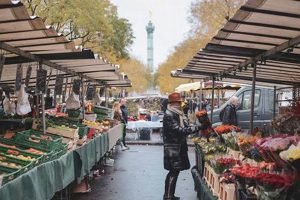
The area in the 11th and 12th arrondissements of the French capital, centered around the Place de la Bastille, serves as a significant location in contemporary Paris. Once the site of a notorious prison, it now represents a vibrant and historically rich district.
This location carries immense historical weight, representing both the oppression of the past and the revolutionary spirit that reshaped France. Today, it functions as a central hub, offering a confluence of historical landmarks, modern amenities, and cultural experiences. The remnants of the past, coupled with its current role as a bustling urban center, create a unique atmosphere and underscore its continuing significance within the city.
Therefore, discussions surrounding this Parisian location encompass a broad range of subjects, from its historical importance during the French Revolution to its current status as a dynamic and multifaceted neighborhood. Exploring these topics provides a deeper understanding of the area’s evolution and its enduring relevance to the city.
Effective exploration of the Bastille area requires consideration of several key factors, ensuring both an enriching and efficient experience.
Tip 1: Utilize Public Transportation. The Place de la Bastille is a major transportation hub. Accessing the area via Metro lines 1, 5, and 8 offers the most convenient and reliable means of arrival, mitigating potential traffic congestion.
Tip 2: Account for Historical Significance. The area is steeped in history. Take time to consider the historical context of the former prison and the events of the French Revolution. Historical markers and guided tours can provide valuable insights.
Tip 3: Explore Diverse Culinary Options. The district presents a wide array of restaurants and cafes. Research culinary options in advance, considering both budget and desired cuisine, to optimize the dining experience.
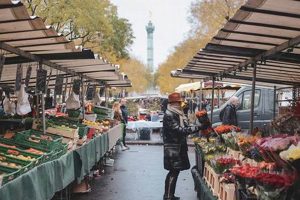
Tip 4: Visit the March Bastille. The March Bastille, one of the largest open-air markets in Paris, operates on Thursdays and Sundays. Early arrival is recommended to secure the best selection of goods and avoid overcrowding.
Tip 5: Prioritize Safety and Awareness. As a popular tourist destination, the area is susceptible to petty theft. Maintain awareness of surroundings and safeguard personal belongings. Utilize secure methods for carrying valuables.
Tip 6: Consider Proximity to Other Attractions. The Bastille area offers easy access to other notable Parisian landmarks. Plan itineraries that incorporate nearby attractions such as the Marais district or the Canal Saint-Martin to maximize time and efficiency.
Tip 7: Be Mindful of Local Customs. Respect local customs and etiquette. Demonstrating consideration for local culture enhances the overall experience and fosters positive interactions with residents.
Adherence to these guidelines facilitates a well-informed and enjoyable visit. Careful planning and respectful engagement contribute to a richer appreciation of the area’s historical and cultural significance.
Therefore, adopting these strategies can transform a simple visit into a deeper engagement with the multifaceted character of the Bastille district.
1. Historical Significance

The historical significance of the Bastille directly informs its present-day character. The storming of the Bastille prison in 1789 during the French Revolution serves as the foundational event for its symbolic weight. This act of rebellion, which initiated a cascade of societal changes, transformed the location from a symbol of royal authority and repression into a representation of liberty and popular sovereignty. The practical consequence of this historical moment is the lasting association of the Bastille with revolutionary ideals and democratic principles, a legacy that persists and is commemorated annually on Bastille Day.
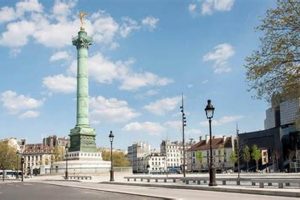
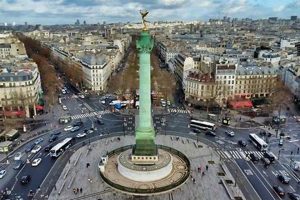
The physical absence of the Bastille prison itself does not diminish its historical import. The Place de la Bastille now stands where the prison once stood, serving as a public square that hosts gatherings, demonstrations, and celebrations. The July Column, erected in the center of the square, commemorates the July Revolution of 1830, further solidifying the area’s association with pivotal moments in French history. This location remains a focal point for expressing political and social sentiments. For instance, during times of national crisis or political change, the Place de la Bastille often becomes a site for demonstrations and collective expression, underscoring its continuing role as a platform for public discourse.
Understanding the historical context of the Bastille is essential for interpreting its modern significance. It provides insight into the area’s symbolic power, its role in shaping French national identity, and its enduring importance as a site of public memory and political expression. Challenges may arise in maintaining the balance between preserving historical integrity and adapting to contemporary urban needs, but the area’s historical narrative remains a central element of its identity. Ignoring this historical underpinning results in an incomplete appreciation of its modern significance. The legacy of the Bastille, therefore, shapes its presence.
2. Place de la Bastille

The Place de la Bastille serves as the nucleus of the broader Bastille area in contemporary Paris. It is more than merely a geographical point; it is a symbolic and functional center whose characteristics deeply influence the overall identity and activities of the district.
- Historical Commemoration
The Place de la Bastille is the primary location for commemorating the storming of the Bastille prison. The July Column, situated at the square’s center, serves as a constant reminder of the French Revolution and subsequent struggles for liberty. Annual Bastille Day celebrations prominently feature the square, solidifying its role as a site of remembrance and national identity. This impacts the “bastille paris today” by ensuring the area remains intrinsically linked to its revolutionary past, influencing its character as a place of protest and celebration.
- Public Gathering Space
The expansive open space of the Place de la Bastille facilitates large public gatherings, demonstrations, and events. Protests, concerts, and cultural festivals frequently utilize the square due to its capacity and central location. The square’s role as a gathering point for collective expression directly affects the social dynamics of “bastille paris today”. For instance, the area around the square often experiences increased pedestrian traffic and heightened security measures during significant events.
- Transportation Interchange
The Place de la Bastille functions as a major transportation hub within Paris. The presence of multiple Metro lines converging at the Bastille station facilitates connectivity to other parts of the city. This transportation role impacts “bastille paris today” by making the area easily accessible to both residents and tourists, contributing to its economic activity and cosmopolitan atmosphere. The constant flow of people contributes to the area’s vibrant but also congested nature.
- Symbolic Resonance
Beyond its functional roles, the Place de la Bastille carries significant symbolic weight. It represents freedom, revolution, and the power of the people. This symbolism contributes to the area’s appeal as a destination for those interested in French history and political culture. This resonance influences “bastille paris today” by attracting visitors seeking to connect with the revolutionary past and by shaping the political discourse within the area. The symbolic associations inevitably inform the area’s contemporary identity.
In summary, the Place de la Bastille is not only a physical location but also a locus of historical memory, public expression, transport, and symbolic meaning. These elements mutually shape the contemporary character and significance of the surrounding area and ensure its continuing relevance within the broader Parisian context. The square is therefore an essential component when understanding “bastille paris today”.
3. Transportation Hub

The status of the Bastille area as a major transportation hub critically shapes its contemporary function and character within Paris. The convergence of multiple Metro linesspecifically lines 1, 5, and 8at the Bastille station generates a substantial influx of commuters and tourists daily. This accessibility directly influences the area’s economic vitality by facilitating trade and tourism. For instance, the readily available transportation options enable visitors from across the city to access the March Bastille, a large open-air market, thereby supporting local vendors and businesses. Furthermore, the efficient public transport system allows residents living in other districts to easily reach the Bastille area for cultural events, demonstrations, or nightlife activities, contributing to its social dynamism.
The concentration of transportation options also presents practical implications for urban planning and infrastructure management. The heavy traffic volume necessitates ongoing investment in maintaining and upgrading the Metro station and surrounding transportation networks. Effective traffic management and pedestrian safety measures are essential to accommodate the high population density. The proximity to other key locations, such as the Marais district and the Canal Saint-Martin, is enhanced by the ease of transportation, allowing for seamless integration of these areas into visitors’ itineraries. Real-world examples include the recent renovations of the Place de la Bastille to improve pedestrian flow and the implementation of real-time transportation information systems to manage congestion effectively.
In summary, the Bastille area’s role as a transportation hub is a crucial component of its modern identity. It drives economic activity, supports cultural engagement, and necessitates careful urban planning and infrastructure management. Challenges related to congestion and safety must be addressed to ensure the area remains accessible and functional. The understanding of this connection is vital for policymakers, urban planners, and businesses seeking to optimize the area’s potential and address the needs of its residents and visitors. The interplay between transportation infrastructure and the Bastille’s urban dynamics underscores its significance within the larger Parisian landscape.
4. Cultural Events

The presence of diverse cultural events within the Bastille area significantly shapes its identity and function in contemporary Paris. These events act as a catalyst, influencing both the social fabric and economic activity of the district. Ranging from musical performances to political demonstrations and art installations, these activities inject a continuous stream of energy, attracting visitors and engaging residents. The concentration of these events effectively transforms the Bastille area into a dynamic urban space, distinguishing it from other neighborhoods within the city. For example, open-air concerts held at the Place de la Bastille draw large crowds, boosting revenue for nearby businesses and solidifying the area’s reputation as a cultural hotspot. Similarly, political rallies and demonstrations held in the area underscore its continued role as a platform for public discourse and civic engagement.
The prevalence of cultural events directly impacts the practical dynamics of the Bastille area. They necessitate infrastructure adjustments to accommodate crowds, including increased security measures and enhanced public transportation services. The influx of visitors generates economic opportunities for local businesses, ranging from restaurants and cafes to hotels and souvenir shops. Conversely, the increased activity can also lead to challenges, such as traffic congestion and noise pollution, which require careful management and mitigation strategies. The coordination of these events often involves collaboration between local authorities, event organizers, and community stakeholders to ensure a smooth and safe experience for all participants. Consider the annual Bastille Day celebrations: These large-scale events require extensive planning, traffic control, and security protocols to manage the influx of attendees and maintain public order.
In summary, the occurrence of cultural events serves as a defining characteristic of the Bastille area in present-day Paris. These events generate economic opportunities, promote social engagement, and necessitate careful urban management. Understanding the interplay between cultural events and the area’s urban dynamics is crucial for policymakers and community stakeholders seeking to optimize its potential and address associated challenges. Ignoring the importance of these events results in an incomplete understanding of the Bastille area’s significance within the broader urban context, overlooking a key driver of its vitality and appeal. The integration of cultural events is a fundamental aspect of “bastille paris today”.
5. Market Activity
Market activity constitutes a significant dimension of the Bastille area’s character in present-day Paris, exerting a tangible influence on its economic vitality, social dynamics, and urban landscape. The presence of markets, particularly the March Bastille, one of the city’s largest open-air markets, fosters commerce and community interaction. This economic activity serves as a conduit, channeling revenue into local businesses and providing a platform for small-scale vendors. The weekly market events transform the immediate vicinity, drawing large crowds and stimulating trade. For example, the March Bastille, held on Thursdays and Sundays, generates a substantial increase in foot traffic, benefiting nearby cafes, restaurants, and shops. The market’s diverse offerings, ranging from fresh produce and artisanal products to clothing and household goods, cater to a broad consumer base, reinforcing its importance as a commercial hub. The correlation between the Bastille area’s market activity and its overall economic health is thus demonstrably strong.
Beyond its economic impact, market activity shapes the social dynamics of the Bastille area. The March Bastille serves as a meeting point for residents and visitors, fostering social interaction and community cohesion. Local residents often frequent the market to purchase groceries and engage with vendors, while tourists explore the market to experience local culture and sample regional delicacies. The sensory richness of the market environmentcontributing to this aspect with sights, smells, and sounds contributes to its allure and appeal. Furthermore, the market provides a space for cultural exchange, as vendors from diverse backgrounds showcase their products and traditions. Consider the seasonal markets held in the area, such as the Christmas market, which draw even larger crowds and create a festive atmosphere. Such events serve to further solidify the Bastille area’s status as a dynamic and engaging urban space. The market activity generates social capital, strengthening community bonds and fostering a sense of place.
In summary, market activity is a critical component of the Bastille area’s contemporary identity, influencing its economic landscape, social interactions, and urban character. The presence of vibrant markets, such as the March Bastille, generates revenue for local businesses, fosters community cohesion, and provides a platform for cultural exchange. Challenges, such as managing traffic congestion and ensuring vendor compliance with regulations, require ongoing attention from local authorities. Understanding the importance of market activity is essential for policymakers and community stakeholders seeking to optimize the Bastille area’s potential and address the needs of its residents and visitors. The dynamics of market activity within the Bastille area exemplifies its broader theme as a place where historical significance intersects with contemporary urban life.
6. Nightlife Dynamics
The nightlife dynamics within the Bastille area are intrinsically linked to its identity in contemporary Paris, exerting a notable influence on its economic activity, social fabric, and overall reputation. The concentration of bars, clubs, and live music venues transforms the area into a nocturnal hub, attracting a diverse clientele ranging from local residents to international tourists. This nightlife activity generates substantial economic revenue for businesses, creating employment opportunities and contributing to the overall financial health of the district. The correlation between the Bastille area’s vibrant nightlife and its economic performance is thus demonstrably significant. For instance, the late-night operation of bars and restaurants supports numerous jobs and generates tax revenue, while the influx of patrons boosts business for nearby hotels and transportation services. A tangible consequence of this dynamic is the amplified urban activity extending well into the night, differentiating it from more residential districts.
Beyond its economic contributions, the nightlife within the Bastille area shapes its social dynamics and cultural landscape. The area serves as a meeting point for individuals from diverse backgrounds, fostering social interaction and cultural exchange. Live music venues showcase both established and emerging artists, enriching the area’s cultural scene and providing platforms for creative expression. The presence of diverse entertainment options caters to a broad range of tastes, making the Bastille area an appealing destination for both casual revelers and serious nightlife enthusiasts. The area’s reputation for its nightlife contributes to its overall image as a dynamic and cosmopolitan district within Paris. However, the intense nightlife also brings about challenges, such as noise pollution, public intoxication, and occasional disturbances, which require careful management and mitigation strategies. Local authorities and community stakeholders must collaborate to balance the economic benefits of nightlife with the need to maintain public order and respect the quality of life for local residents. Consider the implementation of noise reduction measures and the enforcement of responsible alcohol service policies as examples of practical efforts to address these challenges.
In summary, the nightlife dynamics of the Bastille area are integral to its contemporary identity, influencing its economic vitality, social fabric, and urban character. The concentration of bars, clubs, and live music venues generates economic revenue, fosters social interaction, and enriches the area’s cultural landscape. Addressing challenges related to noise pollution and public order requires ongoing attention and collaboration between local authorities, businesses, and residents. The successful management of these dynamics is essential for sustaining the Bastille area’s appeal as a vibrant and engaging district within the broader Parisian context. Ignoring this component results in an incomplete picture of “bastille paris today”, and limits the insight into this unique area.
7. Architectural Evolution

The architectural evolution of the Bastille area stands as a tangible representation of Paris’s historical trajectory and contemporary urban development. The area’s built environment directly reflects its transformation from a site of royal power, symbolized by the Bastille prison, to a vibrant urban district characterized by a blend of historical remnants and modern structures. The demolition of the Bastille prison itself marked a pivotal moment, giving rise to the Place de la Bastille, a public space that has undergone continuous architectural modification. The erection of the July Column commemorates subsequent revolutionary events, while the construction of modern buildings around the square represents the area’s integration into the evolving urban fabric of Paris. This architectural shift from a symbol of oppression to a space of public expression has fundamentally shaped the identity of the area.
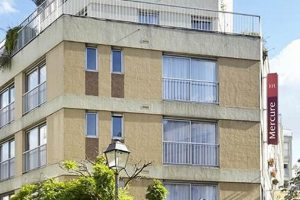
The architectural landscape now comprises a mixture of styles, reflecting different periods of development. Some older buildings retain elements of classic Parisian architecture, while more recent constructions incorporate contemporary designs and materials. The Opera Bastille, designed by architect Carlos Ott and completed in 1989, serves as a prominent example of modern architectural intervention. Its construction significantly altered the area’s skyline and added a major cultural institution. The juxtaposition of historical structures and modern developments creates a visual dialogue, underscoring the area’s evolution over time. This mix reflects a broader urban trend of balancing preservation with modernization, showcasing how historical districts adapt to contemporary needs while maintaining their unique character. Understanding this blend is vital for urban planners, architects, and preservationists aiming to manage further development and retain the distinctiveness of the “bastille paris today” area.
In summary, the architectural evolution of the Bastille area is not merely a matter of physical structures; it represents a continuous interplay between historical legacy and contemporary urban life. The architectural diversity reflects the area’s transformation over centuries, providing insights into Paris’s social, political, and cultural development. Recognizing and appreciating this architectural narrative is crucial for preserving the area’s unique identity and guiding future development efforts. The architectural evolution is a testament to the enduring significance of this Parisian location and its ongoing relevance within the city’s urban fabric.
Frequently Asked Questions
This section addresses common queries regarding the Bastille area in contemporary Paris, aiming to provide clear and concise information.
Question 1: What specific historical event is associated with the Bastille?
The storming of the Bastille prison on July 14, 1789, during the French Revolution, is the primary historical event associated with the area.
Question 2: Is the Bastille prison still standing today?
No, the Bastille prison was demolished shortly after the storming in 1789. The Place de la Bastille now occupies the site.
Question 3: How can one access the Bastille area using public transportation?
The Bastille area is accessible via Metro lines 1, 5, and 8, which converge at the Bastille station.
Question 4: What are the operating days for the March Bastille, the open-air market?
The March Bastille operates on Thursdays and Sundays.
Question 5: What types of cultural events commonly occur in the Place de la Bastille?
The Place de la Bastille frequently hosts concerts, political rallies, and public demonstrations.
Question 6: What prominent architectural landmark is located in the Place de la Bastille?
The July Column, commemorating the July Revolution of 1830, is located in the center of the Place de la Bastille.
These answers provide a foundational understanding of key aspects of the Bastille area, facilitating a more informed engagement with its history and contemporary significance.
Consideration of related topics, such as the area’s economic activity and social dynamics, may further enhance one’s comprehension of the Bastille area within the broader Parisian context.
Bastille Paris Today
The examination of the Bastille area in contemporary Paris reveals a multifaceted urban space shaped by historical events, transportation infrastructure, cultural activities, and architectural evolution. Its symbolic weight as a site of revolution, coupled with its practical function as a transportation hub and cultural center, underscores its enduring relevance. Market activity and nightlife dynamics further contribute to the area’s economic vitality and social character.
Continued exploration of this iconic Parisian district necessitates an ongoing commitment to understanding its complex layers and adapting to its ever-evolving needs. The area’s future hinges on responsible urban planning, preservation of its historical legacy, and the effective management of its economic and social forces. Its significance extends beyond its geographical boundaries, serving as a microcosm of Paris’s history and a reflection of its vibrant urban present.