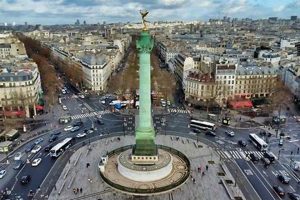
This Parisian district, historically significant, is situated around the Place de la Bastille. The area is known for its vibrant atmosphere, combining historical landmarks with modern entertainment venues. Its geographical location places it at the intersection of several arrondissements, contributing to its diverse character.
The location offers numerous advantages, including a rich tapestry of cultural experiences. From the Opra Bastille, a modern opera house, to the remnants of the Bastille prison, the area reflects a blend of old and new. This confluence provides a compelling backdrop for both residents and visitors. Furthermore, the concentration of restaurants, bars, and nightclubs makes it a popular destination for nightlife.
The subsequent sections will delve into the district’s specific attractions, culinary offerings, and transportation options, providing a detailed overview of what this dynamic locale has to offer. Information regarding accommodation and nearby areas of interest will also be presented.
This section provides essential advice for experiencing the locale effectively. Each tip aims to enhance understanding and optimize exploration.
Tip 1: Utilize Public Transportation: The area is well-served by the Mtro. Lines 1, 5, and 8 converge at the Bastille station, providing easy access to various points within Paris. Familiarize yourself with the route maps to navigate efficiently.
Tip 2: Explore the Canal Saint-Martin: A short walk north of the place, the Canal Saint-Martin offers a tranquil escape from the bustle of the immediate area. Consider a leisurely stroll along its banks.
Tip 3: Research Event Schedules: The Opra Bastille frequently hosts performances. Review the schedule in advance and secure tickets early to avoid disappointment.
Tip 4: Exercise Caution During Peak Hours: Due to its popularity, the area experiences considerable crowds, especially in the evenings and on weekends. Maintain awareness of surroundings and safeguard personal belongings.
Tip 5: Discover Local Cuisine: Venture beyond the main square to uncover smaller restaurants and bistros offering authentic French fare. Look for establishments frequented by locals for a genuine culinary experience.
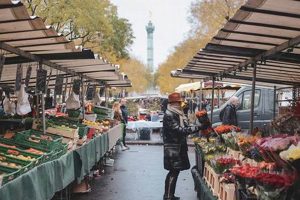
Tip 6: Visit the March Bastille: This open-air market, held on Thursdays and Sundays, provides an opportunity to sample local produce and observe Parisian life. Arrive early for the best selection.
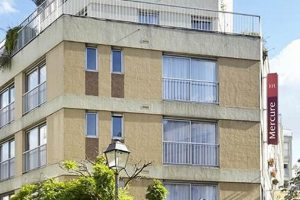
Tip 7: Consider Accommodation Nearby: While lodging within the immediate vicinity may be pricier, numerous hotels and apartments in adjacent neighborhoods offer more affordable alternatives. Research options beforehand.
These guidelines aim to facilitate a well-informed visit. By considering these points, visitors can enhance their engagement with the area’s diverse offerings and historical significance.
The concluding section will summarize the district’s key attributes and contextualize its place within the broader Parisian landscape.
1. History

The historical significance of the Bastille profoundly shapes the identity of the surrounding district. The events that transpired there resonate through its streets and cultural landscape, influencing the area’s evolution and perception.
- The Storming of the Bastille (1789)
The assault on the Bastille prison on July 14, 1789, stands as a pivotal moment in the French Revolution. This event, symbolizing the overthrow of royal authority, transformed the prison into a symbol of liberty and rebellion. The location’s immediate vicinity became ground zero for revolutionary fervor.
- The Bastille Prison: A Symbol of Oppression
Before its destruction, the Bastille prison represented royal absolutism and the arbitrary imprisonment of political dissidents. Its imposing structure dominated the landscape, serving as a visible reminder of the monarchy’s power. This perception contributed to the revolutionary fervor that ultimately led to its downfall.
- Place de la Bastille: From Prison to Public Square
Following the demolition of the prison, the site was transformed into the Place de la Bastille, a public square intended to commemorate the revolution. The square became a focal point for political gatherings, demonstrations, and celebrations, solidifying its status as a symbol of republican ideals.
- The July Column: Commemoration and Remembrance
The July Column, erected in the center of the Place de la Bastille, commemorates the July Revolution of 1830. This monument serves as a continuous reminder of the district’s revolutionary past and the ongoing struggle for liberty and democratic principles. It visually reinforces the area’s historical narrative.
These historical facets intertwine to create a powerful sense of place within the district. The events associated with the Bastille continue to shape its identity, influencing its architecture, cultural expressions, and political significance. The area serves as a tangible link to France’s revolutionary past.
2. Nightlife

The district is recognized for its extensive and varied nightlife offerings. These options contribute significantly to the locale’s identity and appeal, attracting a diverse clientele and defining the evening atmosphere.
- Concentration of Bars and Clubs
The area features a high density of bars and clubs catering to various tastes. This concentration creates a dynamic social environment, drawing patrons seeking diverse experiences ranging from casual drinks to energetic dancing. Examples include traditional French bistros, modern cocktail bars, and live music venues. The implications are significant for local businesses and the overall economic vitality of the district.
- Live Music Venues
Several venues showcase live music performances spanning genres from rock and jazz to electronic and world music. These establishments contribute to the area’s cultural richness, providing platforms for both established and emerging artists. The presence of live music enhances the entertainment landscape and attracts music enthusiasts.
- Late-Night Restaurants and Cafes
Numerous restaurants and cafes remain open late, offering dining and socializing opportunities beyond traditional meal times. These establishments provide options for late-night snacks, full meals, and informal gatherings. This extended service caters to the nocturnal rhythms of the area and its patrons.
- Proximity to Other Entertainment Districts
Its location facilitates access to other entertainment districts in Paris, allowing individuals to easily transition between different nightlife experiences. This connectivity broadens the range of options available to residents and visitors, enhancing the appeal of the district as a central hub for evening activities. The adjacent areas provide complementary entertainment options, contributing to the overall vibrancy of the surrounding area.
These interwoven facets create a robust and diverse nightlife ecosystem, solidifying the district’s reputation as a key destination for evening entertainment within Paris. The concentration of venues, coupled with its accessible location and varied offerings, makes it a significant contributor to the city’s vibrant cultural scene.
3. Transportation
The ease of access afforded by the transportation infrastructure is integral to the vitality of the Parisian district under consideration. The station bearing its name serves as a major interchange, connecting several lines of the Metro, the city’s subway system. This facilitates the movement of residents, workers, and tourists, enabling them to reach destinations throughout the city and beyond. The convergence of multiple Metro lines at this location has a direct impact on the area’s economic activity, drawing individuals to its businesses, cultural attractions, and residential areas. For example, the availability of Lines 1, 5, and 8 makes commuting to and from other key locations within Paris straightforward. Without this extensive network, the area’s accessibility would be severely diminished, impacting its role as a central hub.
Beyond the Metro, bus routes traverse the area, providing alternative transportation options and connecting it to surface-level points of interest. Taxis and ride-sharing services are also readily available, catering to those seeking more direct or personalized transport. This multifaceted transport infrastructure ensures that the district remains well-connected, mitigating potential transportation bottlenecks and contributing to its overall efficiency. This accessibility affects residential desirability, business profitability, and tourist convenience, further solidifying its position as a key destination within the urban fabric.
In summary, the robust transportation infrastructure significantly contributes to the area’s appeal and functionality. The convergence of multiple Metro lines, coupled with surface-level transport options, ensures ease of access for residents, workers, and visitors alike. This connectivity directly impacts the district’s economic and social vibrancy, solidifying its status as a vital component of Paris. The understanding of this interconnectedness is crucial for urban planning and for appreciating the area’s overall significance.
4. Restaurants
The culinary landscape forms a vital component of the location’s identity and appeal. Restaurants, ranging from traditional bistros to contemporary eateries, contribute significantly to its economic vitality and cultural character. The presence of diverse culinary offerings draws both local residents and tourists, impacting the overall atmosphere and perception of the area. The historical context of the district has influenced the types of restaurants that have established themselves, reflecting a blend of traditional French cuisine and international flavors. For instance, establishments serving classic bistro fare are prevalent, coexisting with newer restaurants showcasing innovative culinary approaches. The concentration of restaurants generates employment opportunities and supports local suppliers, fostering a dynamic economic ecosystem.
The practical significance of understanding the relationship between restaurants and the area lies in its implications for urban planning and economic development. The types of restaurants that thrive in the location are often indicative of the changing demographics and consumer preferences of its inhabitants and visitors. Analyzing restaurant trends can provide valuable insights into broader socio-economic shifts and inform decisions related to zoning regulations, infrastructure development, and tourism promotion. For example, an increase in restaurants offering vegan or vegetarian options may suggest a growing demand for plant-based cuisine, prompting the local government to support initiatives that promote sustainable food practices. Moreover, the preservation of traditional bistros can be seen as an effort to maintain the area’s cultural heritage and attract tourists seeking authentic experiences.
In conclusion, the restaurant sector serves as a crucial indicator of the overall health and vibrancy of the location. Its diversity, economic impact, and reflection of cultural trends underscore its importance as a defining feature of this Parisian district. Challenges related to maintaining a balance between preserving traditional establishments and fostering innovation require careful consideration. Recognizing and addressing these challenges is essential for ensuring the long-term sustainability and appeal of the area’s culinary scene. The dynamic interplay between restaurants and the district highlights the broader theme of how food shapes identity and contributes to the fabric of urban life.
5. Opera
The Opra Bastille represents a significant landmark within the described Parisian district, substantially influencing the area’s cultural and architectural landscape. Constructed to modernize the city’s operatic offerings, its presence has had a demonstrable effect on the neighborhood. The opera house serves as a major draw for both domestic and international audiences, impacting local businesses and contributing to the area’s overall economic activity. For instance, restaurants and hotels in proximity to the Opra Bastille often experience increased patronage, particularly during performance seasons. This correlation underscores the venue’s importance as an economic driver and cultural asset.
The practical ramifications of this relationship are manifold. Urban planning initiatives often take into account the Opra Bastille’s presence, influencing decisions related to transportation infrastructure, pedestrian access, and the zoning of commercial properties. Furthermore, the opera house’s programming directly shapes the cultural identity of the area, attracting artists, performers, and patrons from around the globe. The Opra Bastille also contributes to educational outreach, providing opportunities for schools and community groups to engage with the performing arts. This engagement strengthens the cultural fabric of the district and fosters a sense of civic pride. The presence of the opera provides the area with a unique, multifaceted identity.
In summary, the Opra Bastille’s presence within the designated area is integral to its cultural, economic, and architectural character. The challenges lie in managing the influx of visitors while preserving the area’s unique historical identity and residential atmosphere. Understanding this intricate relationship is crucial for effective urban planning and sustainable development, ensuring that the area maintains its appeal as a vibrant cultural hub within Paris. The Opera helps define the area’s identity and attraction.
6. Artisans

The presence of artisans within the specified Parisian district is intrinsically linked to its historical identity and contemporary cultural fabric. The area has traditionally fostered a community of skilled craftspeople, contributing to its unique character and economic resilience. This concentration of artisans is not merely coincidental; it stems from historical factors, including the area’s proximity to transportation networks and its relatively lower real estate costs compared to more central Parisian locations. The effect is a vibrant ecosystem where traditional crafts coexist with modern innovations, attracting both residents and tourists seeking authentic experiences. For example, workshops specializing in leather goods, jewelry making, and artisanal food production are common, contributing to the district’s appeal. The importance of these artisans extends beyond economic considerations; they embody the preservation of traditional skills and contribute to the district’s distinct sense of place.
Further analysis reveals the practical significance of supporting these artisanal businesses. They serve as tangible links to the area’s past, attracting tourism and generating revenue that benefits the local economy. Moreover, they often provide vocational training opportunities for young people, ensuring the continuity of traditional crafts. The area’s government and community organizations play a crucial role in fostering this environment, offering subsidies, promoting artisanal products, and organizing events that showcase the work of local craftspeople. Challenges include increasing real estate costs, which threaten the viability of artisanal workshops, and competition from mass-produced goods. These challenges underscore the need for proactive policies that protect and promote the district’s artisanal heritage. Preservation efforts extend to zoning regulations that protect workshop spaces and marketing initiatives that highlight the value of handcrafted goods.
In conclusion, the connection between artisans and this Parisian district is symbiotic and essential to the area’s identity. The artisans contribute to its economic vitality and cultural distinctiveness, while the district provides a supportive environment for their craft. The key insights are the importance of preserving traditional skills, promoting sustainable tourism, and fostering economic resilience. The challenges of rising real estate costs and competition from mass-produced goods require ongoing attention and proactive policies. By recognizing and addressing these challenges, the district can ensure the long-term sustainability of its artisanal community and preserve its unique character within the broader Parisian landscape. The support of artisans is an essential component of ensuring the district remains a desirable and vibrant part of Paris.
7. Location

The geographical position of this Parisian district significantly influences its character, accessibility, and overall importance within the city. Its placement at a nexus of historical, cultural, and transportation elements contributes directly to its identity and functionality.
- Intersection of Arrondissements
The district lies at the convergence of multiple arrondissements (administrative districts), blurring traditional boundaries and fostering a diverse blend of social and economic activities. This intersectionality contributes to its vibrant, multifaceted atmosphere, attracting a broad spectrum of residents and visitors. For example, the influence of the Marais district to the west and the Canal Saint-Martin area to the north is evident in the district’s architectural styles and commercial offerings. The implications are a higher degree of social interaction and cultural exchange than might be found in a more homogenous area.
- Proximity to Major Landmarks
Its situation grants ready access to major Parisian landmarks, enhancing its appeal as a strategic base for exploration. The proximity to the Marais district, the Sorbonne, and other significant sites renders the area attractive to both tourists and residents seeking cultural engagement. For example, the Louvre Museum and Notre-Dame Cathedral are easily accessible via public transportation. The implications are increased tourism revenue and a more dynamic local economy.
- Accessibility via Public Transportation
The area boasts a well-developed public transportation network, including multiple Metro lines and bus routes, ensuring seamless connectivity to all parts of Paris. The Metro station bearing the district’s name serves as a major interchange, facilitating the movement of people and goods. For example, Lines 1, 5, and 8 converge at this station, providing direct access to key destinations such as the Champs-lyses and Gare du Nord. The implications are reduced traffic congestion, enhanced mobility, and a greater sense of convenience for residents and visitors alike.
- Impact of Canal Saint-Martin
The proximity to the Canal Saint-Martin injects a unique element of serenity and recreational space into the urban landscape. The canal’s presence fosters a relaxed atmosphere, attracting individuals seeking respite from the city’s hustle and bustle. For example, the canal banks are popular for picnics, strolls, and boat tours. The implications are an enhanced quality of life for residents and a greater appeal to tourists seeking a more laid-back Parisian experience.
These location-specific attributes collectively define the character and significance of the district within the Parisian context. The intersection of arrondissements, proximity to landmarks, accessibility via public transport, and the impact of the Canal Saint-Martin are key elements that contribute to its unique identity and functionality. These factors underscore its importance as a vibrant and strategically positioned area within the city.
Frequently Asked Questions about the District
This section addresses common inquiries regarding the Parisian district, aiming to provide clarity and factual information.
Question 1: What is the historical significance of the area?
The district is historically notable as the site of the Bastille prison, stormed during the French Revolution in 1789. This event is widely recognized as a pivotal moment in French history and transformed the area into a symbol of liberty. The Place de la Bastille now occupies the site of the former prison.
Question 2: How accessible is the district via public transportation?
The area is well-served by the Parisian Metro system. The station is a major interchange, connecting lines 1, 5, and 8. Several bus routes also operate within the area, providing comprehensive transportation options.
Question 3: What types of restaurants can be found in the neighborhood?
The district features a diverse range of culinary options, from traditional French bistros to international cuisine. Numerous cafes and brasseries are also present, catering to varied preferences and budgets.
Question 4: Is the district considered a safe area for tourists?
The area is generally considered safe for tourists, but caution is advised, particularly during late-night hours and in crowded areas. Petty theft can occur, so safeguarding personal belongings is recommended.
Question 5: What are some notable landmarks within the immediate vicinity?
Notable landmarks include the Opra Bastille, a modern opera house; the Place de la Bastille, commemorating the French Revolution; and the Canal Saint-Martin, offering a scenic waterfront promenade. The nearby Marais district also features historical architecture and cultural attractions.
Question 6: What is the general atmosphere of the nightlife in the district?
The nightlife is known for its vibrancy and diversity, offering a range of options from bars and clubs to live music venues. The atmosphere tends to be lively, particularly on weekends, attracting a diverse clientele. Noise levels can be high in certain areas during peak hours.
This FAQ section provides a concise overview of key aspects of the district. Further research may be necessary for more specialized inquiries.
The subsequent section will offer a concluding summary of the district’s defining characteristics.
Quartier Bastille Paris
This examination of quartier bastille paris has revealed a complex and multifaceted district. Its historical significance, particularly its association with the French Revolution, continues to shape its identity. The area’s vibrant nightlife, diverse culinary scene, and significant cultural institutions, such as the Opra Bastille, contribute to its dynamic atmosphere. Furthermore, the confluence of multiple transportation networks underscores its accessibility and integration within the broader Parisian landscape. The presence of local artisans adds another layer of depth, reflecting a commitment to preserving traditional skills within a modern urban environment.
The ongoing evolution of quartier bastille paris presents both opportunities and challenges. Maintaining a balance between preserving its historical heritage and fostering sustainable economic growth will be critical for its continued success. Future studies may focus on the impact of gentrification, the role of technology in shaping the district’s identity, and the effectiveness of urban planning initiatives aimed at enhancing its livability and appeal. Further exploration is warranted to ensure the ongoing vitality and relevance of this historically significant Parisian district.