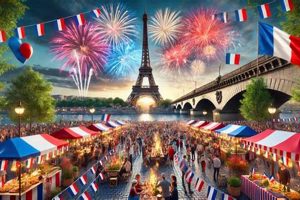
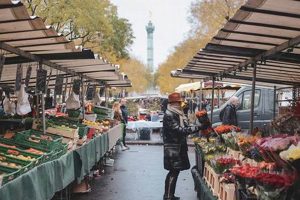
The celebration occurring annually on July 14th, commemorating a pivotal moment in French history with various events and spectacles held within the capital. These festivities offer a wide range of options, from traditional military displays to more informal communal gatherings. An example would be attending the military parade down the Champs-lyses or enjoying a fireworks display over the Eiffel Tower.
The significance of this national holiday resides in its representation of liberty and national unity. The holiday provides a tangible connection to the past and reinforces the values of the French Republic. Participation in related events fosters a sense of community and shared identity, promoting civic engagement and national pride.
This article will examine the typical components of the celebration, detailing notable occurrences and offering insight into how to best experience the observances. Key areas of focus include the military parade, public concerts, fireworks displays, and opportunities for local cultural immersion.
Optimizing the Bastille Day Experience
To maximize enjoyment of the national holiday, careful planning and awareness of available resources are essential. The following guidelines offer insights into navigating the events and appreciating the cultural significance.
Tip 1: Secure Accommodation Early: Given the high demand during the celebrations, reserving lodging well in advance is strongly advised. Centrally located hotels offer convenient access to the primary event sites.
Tip 2: Arrive Early for the Military Parade: The parade attracts substantial crowds. Securing a viewing spot along the Champs-lyses requires arriving several hours before the scheduled start time.
Tip 3: Utilize Public Transportation: Navigating the city by public transport is the most efficient method. The Mtro and RER networks provide extensive coverage, though expect delays and potential closures near event locations.
Tip 4: Consult Official Event Schedules: Confirm event timings and locations through official sources such as the Paris city website or the national tourism office. This ensures accurate information regarding concerts, fireworks, and other public gatherings.
Tip 5: Be Aware of Security Measures: Increased security protocols are typically in place. Anticipate bag checks and possible restrictions on certain items at event entrances. Cooperation with security personnel is expected.
Tip 6: Explore Neighborhood Festivities: Beyond the main attractions, many Parisian neighborhoods host local celebrations, offering a more intimate and authentic cultural experience. Research local community events in advance.
Tip 7: Consider a Seine River Cruise: A cruise provides an alternative perspective of the city and the fireworks display. Bookings are highly recommended, as cruises fill up rapidly.
These suggestions should contribute to a more streamlined and enriching experience of the national holiday, enabling greater engagement with the city’s cultural offerings and celebratory spirit.
Following this guidance will enhance the ability to fully participate in and appreciate the national holiday.
1. Military Parade

The military parade serves as a central and defining element of the national holiday observances in the capital, embodying national unity and demonstrating military capability. The parade is the most formal component of the day’s events, setting a tone of solemnity and national pride that resonates throughout the subsequent festivities.
- Route and Spectacle
The parade typically commences at the Arc de Triomphe, proceeding down the Champs-lyses to the Place de la Concorde. It features formations of various branches of the armed forces, including infantry, motorized units, and aerial displays. The scale of the spectacle draws large crowds and is broadcast nationally and internationally.
- Symbolic Significance
Beyond the display of military hardware and personnel, the parade symbolizes the strength and resilience of the nation. The event reinforces a sense of national identity and patriotism among citizens. It also serves as a platform for honoring veterans and fallen soldiers.
- Historical Context
The tradition of the military parade stretches back to the late 19th century, becoming a fixture of national holiday celebrations. Its origins are rooted in displays of military might, but over time, it has evolved to encompass broader themes of national unity and remembrance.
- Logistical Considerations
Attending the parade requires significant logistical planning due to the large crowds and security measures. Arriving early to secure a viewing spot along the Champs-lyses is essential. Public transportation is heavily utilized, though expect significant delays and potential station closures near the parade route.
The military parade is intricately connected to the larger scope of events, providing a formal and symbolic anchor for the day’s celebrations. Its historical significance, combined with its present-day spectacle, underscores its enduring relevance in shaping the national holiday experience.
2. Fireworks Display

The fireworks display is a culminating event, a hallmark of the national holiday’s observances. Serving as a visual spectacle, it embodies national pride and unity. Typically launched from the Eiffel Tower or a nearby location, the display provides a concluding celebratory experience.
- Location and Spectacle
The Eiffel Tower often serves as the central point for the display, providing a recognizable backdrop for the pyrotechnics. The synchronization of fireworks with music enhances the viewing experience, transforming the event into a multimedia performance. Crowds gather in the Champ de Mars and along the Seine River to witness the event.
- Symbolic Representation
The colors and patterns displayed during the fireworks show often carry symbolic weight, representing the French flag (bleu, blanc, rouge) or other national symbols. The scale and grandeur of the display reflect the nation’s pride and its historical significance.
- Planning and Logistics
Attendance requires strategic planning. Given the large crowds, arriving several hours in advance to secure a viewing spot is essential. Public transportation experiences high demand. Security measures are typically in place, requiring compliance with bag checks and entry protocols.
- Cultural Impact
The fireworks display serves as a shared cultural experience, uniting people from diverse backgrounds in a collective celebration. It reinforces a sense of national identity and provides a memorable conclusion to the day’s festivities. The event also attracts international attention, promoting the city as a cultural destination.
The fireworks display integrates as a primary element of the holiday’s celebrations, offering an accessible and visually compelling culmination to the day’s observances. Its significance extends beyond mere entertainment, reinforcing national identity and providing a shared cultural experience for residents and visitors alike.
3. Public Concerts

Public concerts represent a significant component of the national holiday festivities in the capital. These musical performances, often free of charge, provide opportunities for communal celebration and cultural enrichment, contributing to the overall atmosphere of national unity. Concerts contribute to events during this day.
- Accessibility and Inclusivity
Free concerts offer accessible entertainment to a broad audience, regardless of socioeconomic status. This inclusivity fosters a sense of shared experience and promotes social cohesion. These events exemplify the republic’s commitment to cultural access for all citizens during national holiday. These can be free outdoor concerts and music festivals.
- Variety of Musical Genres
Concerts showcase a range of musical genres, from classical to contemporary, catering to diverse tastes. This variety ensures that the public offerings appeal to a wide spectrum of attendees, enhancing overall engagement. Musical performances include traditional French music.
- Location and Ambiance
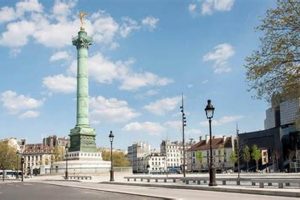
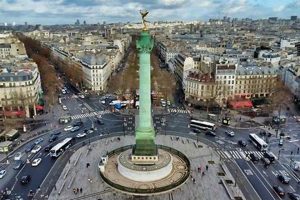
These concerts often take place in public spaces such as parks, squares, or near landmarks, enhancing the festive ambiance. The integration of music with the city’s architectural backdrop creates a unique and memorable experience. Example locations include the Champ de Mars or the Place de la Bastille.
- Role in National Identity
Musical performances often incorporate patriotic songs or compositions that celebrate French culture and history. These musical selections reinforce national identity and promote a sense of collective pride. Performances of “La Marseillaise” and other national anthems are examples.
These aspects of public concerts are integral to understanding the national holiday in Paris, illustrating their role in fostering communal celebration, cultural enrichment, and the reinforcement of national identity. Musical gatherings provide an approachable and unifying element within the broader spectrum of celebrations.
4. Neighborhood Festivities

Neighborhood festivities are integral to the holistic observance, providing localized and intimate celebrations that complement the grander, city-wide events. These decentralized occurrences offer a more personal connection to the holiday, fostering a sense of community at the local level. They are key part of the larger national celebration occurring within the capital.
- Local Cultural Expression
Local celebrations showcase regional traditions, music, and cuisine, differentiating them from the more standardized events held at central locations. Examples include street fairs, local concerts, and neighborhood-specific historical reenactments. This allows residents to express their unique cultural identities within the broader national framework. These localized events provide a richer cultural experience.
- Community Engagement and Social Cohesion
These events promote direct engagement among residents, fostering social cohesion and strengthening community bonds. Activities often include communal meals, games, and parades that encourage participation from people of all ages and backgrounds. This creates a shared sense of belonging and reinforces neighborhood identity, which is great national pride. These are excellent example of cultural traditions.
- Accessibility and Intimacy
Neighborhood celebrations are typically more accessible to residents, particularly those who may find it challenging to navigate the larger city-wide events. They offer a more intimate setting, allowing for closer interaction and a more relaxed atmosphere. Smaller scale of the events makes them easier to access and more family-friendly.
- Historical and Contextual Significance
Many neighborhoods possess unique historical connections to the national holiday, hosting commemorations of local figures or events related to its historical event. These historical celebrations add depth to the overall observances, highlighting the holiday’s impact on diverse communities within the city. Historical celebrations add depth to overall observation.
Understanding neighborhood events is critical to understanding the full picture of national holiday commemorations in the capital. These offer a valuable complement to the more widely publicized events, providing a personalized and community-focused experience that reinforces the holiday’s significance at the grassroots level. The interplay between city-wide spectacle and localized celebration demonstrates the diverse dimensions of the holiday’s meaning for the nation.
5. Museum Access

During the national holiday observances, access to museums within the capital undergoes specific modifications that influence public engagement with cultural heritage. This connection between the commemorations and access to museums represents a deliberate effort to integrate national identity with historical and artistic resources. The extent and nature of this access, often involving free admission or extended hours, directly affect the public’s ability to interact with and reflect upon the nation’s history and cultural achievements. The Muse du Louvre, for instance, may offer extended hours, and smaller museums dedicated to the Revolution might offer free entry.
The practical significance of this integration is multifaceted. Firstly, increased accessibility promotes civic engagement by encouraging residents and tourists alike to delve into French history and art. Secondly, it fosters a sense of national pride by allowing individuals to connect with significant cultural artifacts and narratives. Thirdly, it stimulates cultural tourism, as the accessibility of museums becomes an added attraction for visitors attending the festivities. The extended hours and free admission can significantly enhance a visitor’s experience, allowing more time for cultural enrichment and participation in the national atmosphere.
In summary, adjusted museum access constitutes an integral part of the national holiday framework, contributing to the broader goals of national unity, cultural enrichment, and increased civic participation. While logistical challenges, such as managing increased visitor numbers, may arise, the overall benefit lies in leveraging cultural heritage to enhance the collective understanding and appreciation of the nation’s identity and history. Enhanced access serves as a tangible expression of the nation’s commitment to its cultural legacy.
6. Bal des Pompiers

The “Bal des Pompiers,” or Firemen’s Ball, constitutes a unique and participatory element among the national holiday activities, offering a distinct contrast to the more formal observances. Occurring on the eve and/or the night of the national holiday, these events provide a direct and informal interaction between the public and local firefighters. Its integration into the overall festive calendar is noteworthy.
- Community Engagement and Accessibility
The “Bal des Pompiers” events function as a significant point of community engagement, providing open access to fire stations that are typically not public spaces. These gatherings foster relationships between firefighters and the communities they serve, breaking down barriers and promoting trust. The informal nature of the event invites a broad spectrum of the public, enhancing its inclusive character. This contrasts with more formal and regulated holiday events.
- Fundraising and Public Service
While primarily a celebration, the “Bal des Pompiers” often serves as a fundraising opportunity for fire stations. Revenue generated from food and beverage sales, as well as voluntary donations, contributes to the upkeep of fire station facilities or supports charitable initiatives. These initiatives directly benefit the local community, reinforcing the public service role of firefighters beyond emergency response.
- Tradition and Historical Context
The tradition of the “Bal des Pompiers” traces back to the late 19th century, establishing itself as a long-standing component of national holiday celebrations. Its origins are rooted in the fire brigades opening their doors to the public in a gesture of goodwill and celebration, further solidifying the link between the fire service and national identity. This historical context highlights its enduring relevance within the commemorations.
- Atmosphere and Societal Impact
The events are characterized by an informal, lively atmosphere, featuring music, dancing, and convivial interaction. The societal impact extends beyond simple entertainment, promoting respect for the fire service and reinforcing the sense of communal responsibility. The “Bal des Pompiers” is often considered a significant part of a Parisian national holiday tradition, contributing to the overall spirit of unity and celebration.
In synthesis, the “Bal des Pompiers” represents a fundamental aspect of the holistic national holiday celebrations in the capital, offering a unique and participatory experience that complements the more formal events. Its historical origins, community engagement, and fundraising components distinguish it as a socially meaningful tradition that reinforces the role of firefighters within French society.
Frequently Asked Questions
The following addresses common inquiries regarding the national holiday celebrations within the capital, aiming to provide clarity and practical guidance for attendees.
Question 1: Are Bastille Day events in Paris free?
Many events, including the military parade, public concerts, and fireworks display, are free and open to the public. However, certain events, such as Seine River cruises or special museum exhibitions, may require paid admission.
Question 2: What time does the military parade begin?
The military parade typically commences around 10:00 AM on July 14th, starting at the Arc de Triomphe and proceeding down the Champs-lyses. It is advisable to arrive several hours early to secure a viewing spot.
Question 3: Where is the best location to view the fireworks?
The Champ de Mars, situated near the Eiffel Tower, offers a prime viewing location for the fireworks display. Spaces along the Seine River also provide advantageous perspectives. Early arrival is recommended due to the large crowds.
Question 4: How is public transportation affected on Bastille Day?
Public transportation experiences significant congestion on the national holiday. Certain metro stations near event locations may be temporarily closed for security reasons. Allow ample travel time and consult the RATP website for real-time updates.
Question 5: Are there security restrictions in place at Bastille Day events?
Heightened security measures are standard practice during Bastille Day celebrations. Expect bag checks, security screenings, and potential restrictions on certain items, such as large backpacks or alcoholic beverages. Cooperation with security personnel is expected.
Question 6: What are the “Bal des Pompiers,” and are they open to the public?
The “Bal des Pompiers” are firemen’s balls held at fire stations, often on the evenings of July 13th and 14th. These events are generally open to the public, offering an opportunity to interact with local firefighters and contribute to fundraising efforts for the fire service. A small entrance fee is often required.
These FAQs offer basic guidance for those attending the celebrations. Consult official sources, such as the Paris city website, for the most up-to-date information.
This concludes the list of common questions. Continue exploring additional resources for further insight and detailed planning.
Conclusion
The preceding analysis has detailed the core components of “bastille day activities in paris,” ranging from the formal military parade to the communal neighborhood festivities. These events, encompassing visual spectacle, musical performances, and community engagement, collectively contribute to the holiday’s significance as a celebration of national identity and unity. Understanding the logistical considerations, historical context, and cultural nuances associated with each activity enhances participation and appreciation.
Continued engagement with the cultural and historical context surrounding this holiday ensures its enduring relevance. Further exploration of these events provides a richer understanding of the nation’s identity and its ongoing evolution. The continued observance of these commemorations sustains the values and traditions at the heart of the national celebration.