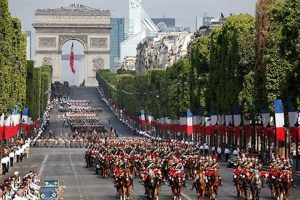
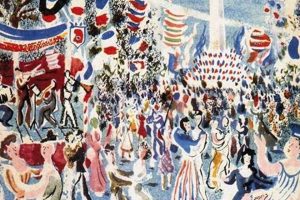
The bicentennial of the storming of the Bastille, observed on July 14, 1989, marked a significant commemoration of the French Revolution. This anniversary provided an opportunity for reflection on the historical events of 1789 and their lasting impact on France and the world. Celebrations included parades, speeches, and cultural events across France, with a focus on Paris.
The bicentennial held considerable importance as a symbol of liberty, equality, and fraternity the core ideals of the Revolution. It served as a reminder of the struggle for democracy and the overthrow of tyranny. The event also provided a platform to showcase France’s cultural heritage and its commitment to these enduring values. The international participation underscored the universal relevance of the revolutionary ideals.
Analysis of the events surrounding this anniversary, including the political climate, the artistic representations, and the public response, offers valuable insights into the evolving understanding of the French Revolution and its place in contemporary society. Specific focus areas may include examination of the grand parade orchestrated by Jean-Paul Goude, the political speeches given, and the overall media coverage.
Considerations for Analyzing the Bicentennial
The 1989 bicentennial offers a multi-faceted subject for historical analysis. The following considerations are important when examining the event and its significance.
Tip 1: Examine the Political Context. Analyze the prevailing political climate within France and internationally during 1989. This involves considering the Cold War’s waning influence, the rise of democratic movements in Eastern Europe, and the domestic political landscape in France under President Franois Mitterrand.
Tip 2: Assess the Commemorative Events. Scrutinize the official and unofficial events organized to mark the anniversary. This includes analyzing the symbolism and messaging conveyed through parades, speeches, and cultural performances. Consider the intent and the reception of these events.
Tip 3: Evaluate Media Coverage. Investigate how the media, both within France and globally, portrayed the anniversary. This includes analyzing the perspectives presented, the narratives constructed, and the focus given to different aspects of the French Revolution and its legacy. Examine any controversies or debates that arose in media coverage.
Tip 4: Analyze Public Opinion. Explore available data on public opinion regarding the French Revolution and its legacy in 1989. This can involve examining surveys, polls, and other forms of public sentiment analysis to understand how the public perceived the historical events and their relevance to contemporary society.
Tip 5: Explore Artistic Interpretations. Investigate the artistic representations of the French Revolution and the bicentennial in 1989. This can involve analyzing literature, film, music, and visual arts to understand how artists engaged with the historical themes and conveyed their interpretations to audiences.
Tip 6: Consider the International Participation. The bicentennial was an international event. Analyze the involvement of other nations in the commemoration and the messages they conveyed about the Revolution’s global impact. Explore any diplomatic or political implications of this international participation.
Careful examination of these areas will allow for a richer understanding of the social, political, and cultural factors surrounding the anniversary. Analyzing these points provides a comprehensive perspective of its broader significance.
In conclusion, the study of this bicentennial provides valuable insights into the evolving interpretations and legacies of the French Revolution.
1. Bicentennial Celebrations

The Bicentennial Celebrations, intrinsically linked to July 14, 1989, represent a pivotal component of the commemoration. These celebrations, multifaceted in their expression, served as the primary vehicle through which the world acknowledged and reflected upon the two-hundredth anniversary of the storming of the Bastille. The effect of this milestone anniversary heightened the scale and ambition of these celebrations, resulting in a globally recognized event of considerable cultural and political importance. For example, the grand parade on the Champs-lyses, orchestrated by Jean-Paul Goude, exemplified this amplified ambition.
The importance of the Bicentennial Celebrations lies in their capacity to contextualize the French Revolution for contemporary audiences. These events provided a platform to re-evaluate the ideals of liberty, equality, and fraternity within the framework of the late 20th century. Through orchestrated cultural performances, political speeches, and educational programs, the celebrations aimed to illuminate the Revolution’s lasting impact on global democratic movements. The practical significance of understanding this connection resides in appreciating how historical events are consciously remembered and reinterpreted across generations. The events, rather than being simple historical reenactments, were tailored narratives designed to engage with contemporary political and social issues.
In summary, the Bicentennial Celebrations were not merely ancillary events; they constituted the core mechanism by which the world engaged with the historical importance of the storming of the Bastille. Understanding the depth and breadth of these celebrations is crucial to grasping the full significance of July 14, 1989. The challenge in analyzing these events lies in disentangling the genuine historical reflection from the political messaging, which requires considering the specific context and objectives of each celebration component. These observations link to the broader theme of historical commemoration as a dynamic and ever-evolving process.
2. French Revolution Legacy

The bicentennial of the storming of the Bastille in 1989 served as a focal point for evaluating the enduring influence of the French Revolution. The events of 1789 triggered profound societal and political transformations, the reverberations of which continue to shape modern political discourse and national identities. The 1989 anniversary prompted a comprehensive assessment of the revolutions multifaceted and sometimes contradictory legacy.
- Ideals of Liberty, Equality, and Fraternity
The core principles espoused during the French Revolution liberty, equality, and fraternity form a cornerstone of modern democratic thought. In 1989, these ideals were revisited, analyzed, and debated in the context of contemporary political and social realities. For example, discussions surrounding equality highlighted disparities in wealth distribution and social justice, prompting reflections on the revolution’s unfulfilled promises.
- Impact on Democratic Movements
The French Revolution inspired democratic movements globally, and the 1989 bicentennial offered an opportunity to examine this influence. From Latin American independence movements to the fall of the Berlin Wall, the echoes of 1789 could be identified in various struggles for self-determination and popular sovereignty. The celebrations highlighted this impact, reinforcing the revolution’s symbolic significance for those advocating democratic reform.
- The Reign of Terror and its Implications
The darker aspects of the French Revolution, particularly the Reign of Terror, also warranted examination in 1989. Discussions addressed the inherent dangers of revolutionary excess and the potential for ideological fervor to lead to violence and oppression. These reflections prompted a nuanced understanding of the revolution, acknowledging both its transformative achievements and its tragic excesses.
- National Identity and Republicanism
The French Revolution played a pivotal role in shaping French national identity and the principles of republicanism. In 1989, the bicentennial provided a platform to reaffirm these values and to explore their continued relevance in a rapidly changing world. Celebrations often emphasized the importance of civic engagement, national unity, and adherence to the principles of secularism (lacit) in maintaining a cohesive and democratic society.
In conclusion, the 1989 commemoration presented a unique opportunity to critically assess the complex and enduring legacy of the French Revolution. The facets discussed demonstrate that the events of 1789 continue to resonate within contemporary society, prompting ongoing debates about democracy, equality, and the delicate balance between revolutionary ideals and practical realities. The debates demonstrate the continuing capacity of historical events to stimulate political and social reflection.
3. National Identity
National identity played a central role in the observance of the bicentennial in 1989. The events surrounding the commemoration were not merely historical reenactments; they served as a platform for reinforcing and celebrating a collective sense of Frenchness. The focus on revolutionary ideals, such as liberty, equality, and fraternity, provided a framework for defining national character and purpose. The scale of the celebrations, including the grand parade on the Champs-lyses, underscored the importance of national unity and cultural pride. The commemoration of the storming of the Bastille was therefore inextricably linked to the construction and promotion of a shared French identity.
The practical significance of this connection lies in understanding how historical events are utilized to shape national narratives. The French Revolution, a period of intense social and political upheaval, continues to be a potent symbol in the construction of French national identity. By emphasizing certain aspects of the revolution, such as its commitment to democratic principles, the 1989 bicentennial sought to reinforce a positive and unifying national image. Moreover, the inclusion of diverse cultural elements in the celebrations aimed to reflect the evolving nature of French society while maintaining a connection to its revolutionary past. For example, the incorporation of music and dance from former French colonies demonstrated a conscious effort to broaden the definition of French identity in a globalized world.
However, the focus on national identity also presented potential challenges. Critics argued that the celebrations glossed over the more complex and contradictory aspects of the revolution, such as the Reign of Terror and the Napoleonic era. Others contended that the emphasis on national unity obscured existing social and economic inequalities. The commemoration, therefore, served as a site of contestation, with different groups vying to shape the narrative of French national identity. In conclusion, the events surrounding the bicentennial underscored the dynamic and multifaceted relationship between historical memory and national identity, illustrating how the past is continually reinterpreted to serve the needs and aspirations of the present.
4. International Participation
The bicentennial of the storming of the Bastille in 1989 garnered significant international participation, transforming a national event into a global commemoration. This participation stemmed from the perception of the French Revolution as a pivotal moment in the history of democracy and human rights, transcending national boundaries. Numerous countries sent representatives to participate in the official ceremonies, acknowledging the Revolution’s impact on the development of democratic ideals worldwide. For instance, the presence of dignitaries from the United States and various European nations underscored the shared commitment to liberty and self-governance. The international involvement elevated the event beyond a mere remembrance of French history to a celebration of universal values.
The practical significance of this international dimension lies in recognizing the symbolic power of shared historical narratives. By participating in the commemoration, nations reaffirmed their adherence to principles of democracy and international cooperation. The event provided a platform for diplomatic engagement and the fostering of goodwill between countries. For example, cultural performances from diverse nations were incorporated into the celebrations, highlighting the interconnectedness of global cultures and the shared aspirations for peace and progress. Furthermore, the international media coverage of the bicentennial disseminated the message of democratic values to a global audience, reinforcing the importance of international solidarity in promoting human rights and freedom.
In summary, international participation was an integral component of the 1989 bicentennial, transforming it into a globally significant event. The commemoration served as a testament to the enduring influence of the French Revolution on the development of democratic values worldwide. Understanding the dynamics of this international engagement is essential for appreciating the full scope of the bicentennial’s historical and political significance. However, challenges remain in ensuring that such commemorations accurately reflect the complexities of history and avoid perpetuating simplistic or nationalistic narratives. A balanced approach that acknowledges both the achievements and the limitations of the past is crucial for promoting meaningful dialogue and fostering international understanding.
5. Political Symbolism

Political symbolism permeated the bicentennial, transforming commemorative events into potent expressions of ideology and national identity. The deliberate selection and presentation of historical figures, revolutionary ideals, and artistic representations underscored the event’s significance as a political statement, both domestically and internationally. The symbols deployed aimed to communicate specific messages about France’s historical trajectory and its contemporary values.
- Reaffirmation of Republican Values
The commemoration served as a platform to reaffirm republican values, such as libert, galit, and fraternit. Official speeches and ceremonies emphasized the importance of these ideals in shaping French national identity and guiding its political development. The choice to highlight these principles underscored France’s commitment to democratic governance and its historical role as a champion of liberty. Banners and public art prominently displayed the revolutionary slogan, reinforcing its symbolic power.
- Legitimization of the Mitterrand Presidency
The bicentennial provided an opportunity for President Franois Mitterrand to solidify his political standing and legitimize his socialist agenda. The carefully orchestrated celebrations aimed to project an image of national unity and progress under his leadership. Mitterrand’s speeches often linked his policies to the revolutionary ideals, positioning himself as a modern-day champion of social justice. The event served as a powerful tool for political messaging and public relations.
- Projection of French Power and Influence
The scale and grandeur of the bicentennial celebrations were designed to project French power and influence on the world stage. The event showcased France’s cultural heritage, technological prowess, and diplomatic capabilities. The participation of international dignitaries reinforced France’s position as a leading global power. The choice of Paris as the central venue for the commemoration underscored its historical and cultural significance as a center of political thought and artistic innovation.
- Selective Historical Memory
The commemoration involved a selective presentation of historical memory, emphasizing certain aspects of the French Revolution while downplaying others. The Reign of Terror, for example, received less attention than the declaration of human rights. This selective approach reflected a desire to construct a unifying national narrative and avoid divisive historical controversies. The resulting portrayal of the revolution was often idealized, omitting or minimizing the complexities and contradictions of the period.
In conclusion, the political symbolism embedded within the 1989 bicentennial served multiple purposes, ranging from the reaffirmation of republican values to the projection of French power and the legitimization of political leadership. The commemorative events operated as carefully constructed narratives, designed to shape public opinion and reinforce specific political messages. The challenge lies in critically analyzing these symbolic representations and discerning the underlying political agendas.
6. Cultural Performances
The cultural performances during the bicentennial in 1989 were integral to the commemoration, serving as a medium through which the spirit and ideals of the French Revolution were interpreted and communicated to a global audience. These performances ranged from large-scale theatrical productions to musical concerts and street parades, each designed to evoke a sense of national pride and historical continuity. They functioned as a symbolic representation of the Revolution’s legacy and its impact on French society and culture.
- Jean-Paul Goude’s Parade on the Champs-lyses
Jean-Paul Goude’s parade stands as a central example of the cultural performances orchestrated for the bicentennial. This elaborate spectacle involved thousands of performers from around the world, each representing different aspects of French history and culture. The parade’s unconventional and visually arresting style aimed to capture the revolutionary spirit of 1789, while also showcasing France’s contemporary artistic innovation. The implications of this performance extended beyond mere entertainment; it was a deliberate attempt to shape the public perception of the Revolution and its ongoing relevance.
- Musical Concerts and Operatic Productions
Musical concerts and operatic productions formed another significant component of the cultural performances. These events often featured works that drew inspiration from the themes and events of the French Revolution, such as operas based on historical figures like Marie Antoinette or Robespierre. The selection of musical pieces and the staging of these performances were carefully curated to evoke emotions of patriotism, revolutionary fervor, and historical reflection. The implications of these performances lie in their ability to engage audiences on an emotional level, reinforcing the cultural and historical significance of the Revolution.
- Theatrical Performances and Street Theater
Theatrical performances and street theater provided more direct and accessible interpretations of the Revolution’s key moments and figures. These performances often took place in public spaces, making them accessible to a broad audience. They aimed to educate and entertain, conveying the historical narrative in a dynamic and engaging manner. The implications of these performances reside in their capacity to democratize historical knowledge, making it available to individuals who might not otherwise engage with the Revolution’s complex history.
- Exhibitions of Art and Artifacts
Exhibitions of art and artifacts related to the French Revolution formed a more contemplative and scholarly component of the cultural performances. These exhibitions showcased paintings, sculptures, documents, and other historical artifacts that shed light on the events, figures, and ideas of the revolutionary period. The implications of these exhibitions lie in their ability to provide a deeper understanding of the Revolution’s historical context and its enduring impact on art, culture, and society. These exhibitions acted as tangible links to the past, allowing visitors to connect with the Revolution in a meaningful way.
The cultural performances during the bicentennial constituted a multifaceted effort to commemorate and celebrate the legacy of the French Revolution. These performances served as a powerful medium through which the ideals, events, and figures of the Revolution were interpreted and communicated to a global audience. The selection and execution of these performances reflected a deliberate attempt to shape public perception, reinforce national identity, and project French cultural influence on the world stage. The study of these performances provides valuable insights into the complex relationship between history, culture, and national identity.
7. Historical Reflection

Historical reflection is paramount when considering the events surrounding the bicentennial of the storming of the Bastille in 1989. This event provided an opportunity to examine France’s past, assess its present, and consider its future trajectory in light of the revolutionary ideals. The act of historical reflection, in this context, extends beyond mere commemoration; it entails a critical evaluation of the revolution’s successes, failures, and enduring impact.
- Re-evaluation of Revolutionary Ideals
The bicentennial prompted a re-evaluation of the core principles of the French Revolution: liberty, equality, and fraternity. This involved assessing the extent to which these ideals had been realized in France and globally. For example, discussions centered on persistent inequalities in wealth and social status, prompting questions about the revolution’s unfulfilled promises. This re-evaluation informed contemporary debates on social justice and human rights.
- Examination of the Reign of Terror
Historical reflection demanded an honest appraisal of the Reign of Terror, a period of intense violence and political repression during the revolution. This examination aimed to understand the factors that contributed to this dark chapter in French history and to draw lessons about the potential dangers of revolutionary excess. The implications of this reflection extended to broader discussions about the limits of political power and the importance of protecting individual rights, even in times of crisis.
- Assessment of Republicanism’s Legacy
The bicentennial offered an occasion to assess the legacy of republicanism in France and its influence on other nations. This involved examining the evolution of French political institutions, the role of citizenship, and the relationship between the state and its citizens. The assessment also considered the challenges facing republicanism in the late 20th century, such as globalization, immigration, and social fragmentation. The implications of this reflection extended to debates about national identity and the future of democratic governance.
- Comparative Historical Analysis
The bicentennial encouraged a comparative historical analysis of the French Revolution in relation to other revolutionary movements throughout history. This involved identifying common themes and patterns, as well as unique features of the French experience. For example, comparisons were drawn between the French Revolution and the American Revolution, highlighting differences in their causes, goals, and outcomes. The implications of this comparative analysis extended to a broader understanding of the dynamics of revolution and social change.
In conclusion, historical reflection was an indispensable element of the 1989 bicentennial. The examination of revolutionary ideals, the Reign of Terror, the legacy of republicanism, and comparative historical analysis provided a nuanced and critical understanding of the French Revolution’s enduring impact. This reflection continues to inform contemporary debates about democracy, social justice, and the challenges of building a more equitable and just society.
Frequently Asked Questions
This section addresses common inquiries regarding the bicentennial of the storming of the Bastille, observed on July 14, 1989. The goal is to clarify its historical significance and broader implications.
Question 1: What was the primary purpose of the bicentennial celebrations on this day?
The primary purpose centered on commemorating the two-hundredth anniversary of the French Revolution’s pivotal event: the storming of the Bastille. It served as a global occasion to reflect upon the revolution’s ideals, its impact on democratic movements, and its enduring legacy.
Question 2: Beyond the celebratory events, what underlying political significance did this day hold?
The anniversary served as a platform for political messaging, both domestically and internationally. It provided an opportunity for the French government to reaffirm republican values, project national power, and legitimize its policies under the Mitterrand presidency.
Question 3: What role did international participation play in the observance of this day?
International participation elevated the bicentennial from a national event to a global commemoration. The presence of dignitaries from various nations underscored the shared commitment to democratic principles and the French Revolution’s worldwide influence.
Question 4: What lasting impact did this day have on discussions about French national identity?
The anniversary prompted critical discussions about French national identity, exploring the relationship between historical memory and contemporary values. It served as a platform for reinforcing national unity and assessing the relevance of revolutionary ideals in a changing world.
Question 5: In what ways did the cultural performances during this time contribute to the overall significance of the day?
Cultural performances, such as Jean-Paul Goude’s parade, served as a medium through which the spirit and ideals of the French Revolution were interpreted and communicated. These performances aimed to evoke a sense of national pride, historical continuity, and revolutionary fervor.
Question 6: Why is this historical event still relevant for contemporary analysis?
The bicentennial provides valuable insights into the evolving interpretations and legacies of the French Revolution. It serves as a case study for understanding how historical events are commemorated, politicized, and utilized to shape national narratives and international relations.
The bicentennial of this day represents a complex interplay of history, politics, and culture. A thorough understanding of its various facets is crucial for grasping its significance.
Further exploration will delve into specific aspects of the artistic representations and historical analyses that characterized the commemoration.
Conclusion
The exploration of Bastille Day 1989 reveals a multi-layered event extending beyond simple historical remembrance. The bicentennial served as a potent platform for political messaging, the reinforcement of national identity, and the re-evaluation of revolutionary ideals. The international participation underscored the French Revolution’s enduring global impact, while the cultural performances provided avenues for interpreting and disseminating its spirit.
The study of Bastille Day 1989, therefore, offers valuable insights into the complex interplay of history, politics, and culture. Continued critical analysis of this event remains essential for understanding the enduring legacies of the French Revolution and its relevance to contemporary challenges facing democratic societies worldwide.The goal of this article is to provide clear and informative information, the responsibility now falls on you to analyze.

![Bastille Day 2017 Parade: A French Celebration [Review] | Hubbastille: Explore the Fusion of Culture, Music & Creativity](https://hubbastille.com/wp-content/uploads/2026/05/th-101-300x200.jpg "Bastille Day 2017 Parade: A French Celebration [Review] Hubbastille: Explore the Fusion of Culture, Music & Creativity")