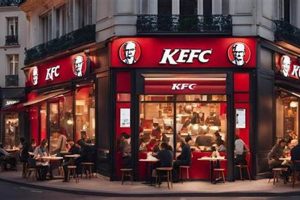
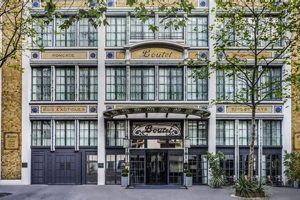
The Bastille area in Paris offers a diverse retail experience centered around its historical significance. This retail landscape encompasses a variety of stores, from independent boutiques to well-known brands, catering to a broad range of consumer preferences. As an example, visitors might find unique artisanal crafts alongside contemporary fashion outlets.
The importance of the retail sector in this district stems from its contribution to the local economy and its role in preserving the area’s unique cultural identity. Historically, the Bastille has been a hub for artisans and revolutionaries. Today, this translates into a vibrant mix of businesses that benefits both residents and tourists, enhancing the area’s appeal as a place to live and visit. A strong retail presence supports local employment and contributes to the overall economic vitality of the community.
The following sections will provide a detailed examination of the types of shops found in the Bastille area, accessible transportation options, and a comprehensive overview of the overall experience this unique shopping destination provides.
The following advice is intended to enhance a visit to the retail establishments located in the Bastille area of Paris, ensuring a more efficient and rewarding experience.
Tip 1: Research Operating Hours: Many independent shops maintain varying schedules, particularly during weekends and holidays. Confirming opening hours in advance prevents wasted journeys.
Tip 2: Prioritize Comfortable Footwear: The area is best explored on foot. Therefore, comfortable shoes are essential for navigating its streets and shops effectively.
Tip 3: Explore Side Streets: Main thoroughfares offer familiar brands, but unique, locally-owned boutiques are often located on the smaller, adjacent streets. Discovering these hidden gems can provide a more authentic experience.
Tip 4: Utilize Public Transportation: Parking in the area can be challenging. The Paris Mtro provides convenient access to the Bastille via multiple lines.
Tip 5: Negotiate Respectfully: While not universally practiced, respectful negotiation may be possible in smaller, independently-owned shops, particularly when purchasing multiple items or artisanal goods.
Tip 6: Learn Basic French Phrases: Demonstrating an effort to communicate in French, even with basic phrases, can enhance interactions with shopkeepers and improve the overall experience.
Tip 7: Be Aware of Pickpockets: As with any popular tourist destination, remaining vigilant against potential pickpockets is prudent, particularly in crowded areas and on public transportation.
Implementing these suggestions facilitates a smoother and more productive visit to the retail businesses in the Bastille district. It maximizes exposure to the diverse offerings and minimizes potential inconveniences.
The next section will conclude this examination of the retail sector within the Bastille, summarizing the key attributes and offering final recommendations for visitors.
1. Boutique Diversity

The retail sector of the Bastille area in Paris is characterized by a notable “boutique diversity,” representing a range of independent shops offering unique merchandise. This facet contributes significantly to the overall appeal and character of this specific location.
- Independent Ownership and Curation
A defining characteristic is the prevalence of independently owned boutiques. These establishments are not bound by corporate directives, allowing owners to curate collections reflecting personal tastes and specific niche markets. Examples include vintage clothing stores stocking rare finds, artisanal workshops featuring handcrafted goods, and bookshops specializing in niche genres. This independent curation enhances variety.
- Range of Product Categories
The “boutique diversity” encompasses a wide range of product categories beyond typical retail offerings. One might find specialized art galleries, shops selling imported teas and spices, or outlets focusing on sustainable and ethically sourced products. This breadth ensures a wider consumer base and positions the Bastille as a destination for specialized purchases.
- Limited Production and Exclusivity
Many boutiques prioritize limited production runs and exclusive items, setting them apart from mass-market retailers. This emphasis on scarcity creates a sense of urgency and appeals to shoppers seeking unique or hard-to-find goods. For example, a local designer might produce a limited run of hand-printed scarves, or a small workshop might craft bespoke leather goods, adding to the area’s appeal for unique items.
- Personalized Customer Service
Independent boutiques often offer a higher level of personalized customer service. Shop owners and staff are typically knowledgeable about their products and can provide tailored recommendations and assistance. This personalized approach fosters customer loyalty and enhances the overall shopping experience, particularly for those seeking specialized advice or assistance.
The combined effect of independent ownership, diverse product categories, limited production, and personalized service solidifies the importance of “boutique diversity” within the Bastille area. This feature attracts shoppers seeking authentic and specialized retail experiences, contributing to the district’s unique character and economic vitality, further enhancing the location’s attractiveness as a destination for unique merchandise.
2. Artisan Workshops
Artisan workshops are an integral component of the retail landscape in the Bastille area of Paris. Their presence contributes significantly to the district’s unique character, distinguishing it from standardized commercial zones. These workshops serve not only as production centers but also as retail outlets, offering consumers direct access to handcrafted goods and showcasing traditional skills.
- Preservation of Traditional Crafts
Artisan workshops in the Bastille often specialize in preserving traditional crafts, such as leatherworking, ceramics, jewelry making, and bookbinding. These workshops provide opportunities for artisans to practice and pass on their skills, safeguarding cultural heritage. For instance, a leather workshop might employ techniques dating back centuries to produce handcrafted bags and accessories, attracting consumers seeking authentic, historically-rooted products.
- Direct Sales and Unique Product Offerings
Many artisan workshops operate as both production and sales spaces. This direct-to-consumer model allows artisans to control the pricing and presentation of their goods, bypassing traditional retail markups. It also allows the consumer to interact directly with the craftsperson. A pottery workshop, for example, might display and sell its wares alongside the workshop, allowing visitors to observe the production process and purchase directly from the maker, fostering a deeper connection between consumer and product.
- Contribution to Local Economy and Employment
Artisan workshops play a vital role in supporting the local economy and providing employment opportunities within the Bastille area. These businesses often source materials locally and contribute to the overall economic vitality of the district. They also provide apprenticeships and training opportunities, fostering the next generation of artisans. A small carpentry workshop, for example, might hire local apprentices to learn the trade, contributing to local employment and the preservation of woodworking skills.
- Authenticity and Unique Shopping Experience
The presence of artisan workshops enhances the overall shopping experience in the Bastille, offering consumers a sense of authenticity and discovery. Unlike mass-produced goods, handcrafted items possess a unique character and tell a story of skill and dedication. This emphasis on authenticity attracts shoppers seeking distinctive products and a more personalized shopping experience. For example, a visitor might stumble upon a small atelier creating hand-blown glass ornaments, offering a refreshing alternative to standardized retail offerings and creating a memorable shopping moment.
The presence of artisan workshops directly enhances the shopping experience in the Bastille, offering an authentic and enriching alternative to standardized retail. These workshops contribute to the district’s cultural identity, support the local economy, and provide consumers with access to unique, handcrafted goods, solidifying the link between artisan skills and the district’s unique appeal.
3. Historical ambiance

The historical ambiance of the Bastille area significantly influences the retail experience. The area’s revolutionary past and subsequent urban evolution have resulted in a unique environment that differentiates it from other Parisian shopping districts. The presence of historical markers, preserved architectural elements, and the overall layout of the streets contribute to this atmosphere. This ambiance acts as an indirect, yet potent, marketing tool, drawing tourists and locals seeking an experience that extends beyond simple purchasing. For example, a boutique housed within a building dating back to the 18th century benefits from the inherent appeal of its setting, attracting customers intrigued by the location’s heritage.
This historical context also impacts the types of businesses that thrive in the area. Many retailers deliberately choose to align their brand identity with the area’s past, selling products that evoke a sense of tradition or craftsmanship. Antique shops, vintage clothing stores, and art galleries specializing in historical themes are common examples. This deliberate integration creates a cohesive retail ecosystem where the merchandise complements the surroundings, enriching the consumer experience. Furthermore, the area’s historical significance often leads to increased foot traffic, benefiting local businesses and creating a more vibrant commercial environment.
In conclusion, the historical ambiance of the Bastille is not merely a backdrop but an active component that shapes and enhances the shopping experience. It attracts a specific clientele, influences the types of businesses that operate in the area, and ultimately contributes to the unique character of the retail sector. Understanding this connection is crucial for retailers seeking to establish themselves in the Bastille and for consumers looking to appreciate the full depth of the shopping experience offered.
4. Local markets

Local markets in the Bastille area are a crucial element of its retail ecosystem, providing a distinct alternative to conventional stores. These markets are integral to the daily life of the district, and they contribute significantly to the area’s vibrant atmosphere and economic activity. They are a significant draw for both local residents and tourists, offering a range of products and cultural experiences not found in traditional retail settings.
- Proximity to Local Producers
Bastille’s local markets offer direct access to regional farmers, artisans, and food producers. This proximity enables consumers to purchase fresh, seasonal produce, handcrafted goods, and specialty food items directly from the source. For example, at the March Bastille, vendors from the le-de-France region sell cheeses, wines, meats, and baked goods. This provides a unique opportunity to support local agriculture and sample regional specialties, enhancing the overall shopping experience.
- Economic Impact on Small Businesses
Local markets provide a platform for small businesses and independent vendors to sell their products without the overhead costs associated with traditional retail spaces. These markets serve as incubators for entrepreneurial activity and contribute to the local economy. Small farmers, for instance, can generate income by selling directly to consumers, thus preserving agricultural livelihoods and stimulating economic growth within the community.
- Social Hubs and Community Engagement
Markets in the Bastille are not solely commercial spaces; they also function as social hubs where residents gather, interact, and build community connections. The March Bastille, for example, is a popular meeting place where locals come not only to shop but also to socialize, exchange information, and participate in community events. This social aspect strengthens community bonds and enhances the overall quality of life in the area.
- Variety of Goods and Cultural Exposure
Local markets often offer a diverse range of goods that reflect the cultural diversity of the Bastille district. One can find products from various regions of France, as well as international imports. This exposure to diverse cultures enriches the shopping experience and fosters cross-cultural understanding. For example, the March d’Aligre, near Bastille, features stalls selling spices, teas, and exotic fruits from around the world, providing a multicultural shopping experience.
These facets underscore the significant role of local markets in shaping the retail experience in the Bastille area. Their presence enriches the shopping environment by offering unique products, supporting local businesses, fostering community engagement, and providing cultural exposure. Understanding the interaction between local markets and the wider retail landscape is crucial for appreciating the district’s distinctive character and economic dynamics. By providing alternatives to standardized retail options, the Bastille area’s local markets enhance its attraction as a destination that celebrates local culture and economic innovation.
5. Design influences

The intersection of design influences and the retail sector in the Bastille area of Paris creates a unique shopping experience characterized by a blend of historical context, contemporary aesthetics, and functional layouts. These design elements, both overt and subtle, significantly impact consumer perception and purchasing behavior.
- Architectural Integration
The design of retail spaces in the Bastille area often incorporates and adapts to the existing architectural landscape. Renovated buildings retain original features, such as exposed brick walls, high ceilings, and wrought iron details, which provide a sense of historical continuity and visual interest. For instance, a modern clothing boutique may occupy a former industrial space, preserving the building’s structural elements while introducing contemporary design elements to create a contrast between old and new. This integration of architectural heritage enhances the shopping experience, offering consumers a visually stimulating environment that distinguishes it from generic retail spaces.
- Visual Merchandising Strategies
Design influences extend to visual merchandising strategies employed by retailers in the Bastille. Storefront displays and interior layouts are carefully curated to reflect both the brand identity and the surrounding urban context. For example, window displays often feature locally sourced materials, artisanal products, and thematic displays that evoke the area’s historical and cultural significance. Interior layouts may prioritize open spaces, natural lighting, and minimalist design principles to create an inviting and uncluttered shopping environment. These strategies are implemented to attract customers, showcase products effectively, and create a cohesive brand image that resonates with the local market.
- Product Design and Aesthetics
The products sold in the Bastille area often reflect distinct design influences, ranging from classic Parisian styles to contemporary trends. Many boutiques and workshops specialize in handcrafted goods, vintage items, and unique designs that emphasize quality, craftsmanship, and originality. For instance, independent designers may create clothing lines inspired by historical fashion trends, or artisans may produce handcrafted leather goods using traditional techniques. These design elements cater to consumers seeking distinctive products that reflect personal style and cultural awareness, contributing to the area’s reputation as a destination for unique and aesthetically pleasing merchandise.
- Public Space Aesthetics
The design and maintenance of public spaces surrounding retail areas also influence the overall shopping experience. Well-maintained streets, pedestrian-friendly walkways, and strategically placed street furniture enhance the area’s appeal and encourage foot traffic. For example, the presence of public art installations, landscaped gardens, and outdoor seating areas create a welcoming atmosphere that encourages shoppers to linger and explore the area. These public space design elements complement the retail environment, contributing to a holistic and engaging shopping experience.
In summary, design influences permeate every aspect of the retail environment in the Bastille area, from the architectural integration of retail spaces to the visual merchandising strategies, product design aesthetics, and public space design. These elements collectively contribute to a unique shopping experience that attracts both local residents and tourists, solidifying the area’s reputation as a destination for aesthetically pleasing merchandise and culturally enriched retail interactions. These interconnected factors enhance the area’s appeal as a destination for both shopping and cultural immersion.
6. Caf culture

Caf culture is inextricably linked to the retail landscape of the Bastille area in Paris, functioning as more than just a provider of refreshments. The presence of numerous cafs serves to complement and enhance the overall shopping experience, providing essential rest stops, social hubs, and aesthetic enhancements that contribute significantly to the area’s commercial vitality. The prevalence of cafs facilitates increased dwell time, encouraging shoppers to linger, explore, and ultimately spend more within the district. For example, a shopper might pause at a caf for coffee and then notice a nearby boutique they would have otherwise missed, leading to an unplanned purchase. This symbiotic relationship between caf culture and retail activity is a defining characteristic of the Bastille district.
The practical significance of understanding this connection lies in its implications for both retailers and urban planners. Retailers can benefit from strategically positioning their businesses near established cafs to capitalize on foot traffic and the relaxed atmosphere they create. Conversely, neglecting this relationship can lead to missed opportunities and reduced visibility. Urban planners can foster a thriving commercial environment by encouraging the integration of caf spaces into retail developments. For instance, allowing outdoor seating permits can enhance the appeal of both cafs and adjacent stores, creating a more vibrant and pedestrian-friendly shopping environment. The Rue de Lappe, known for its nightlife, benefits from daytime activity generated by cafs servicing the nearby boutiques and shops.
In summary, the integration of caf culture into the Bastille’s retail environment contributes significantly to its economic and social vitality. The presence of cafs enhances the shopping experience, supports local businesses, and promotes community engagement. Recognizing the interconnectedness of these elements is crucial for retailers, urban planners, and anyone seeking to understand the unique character of the Bastille area and other similar commercial districts. The challenge lies in preserving this balance, ensuring that the growth of retail activity does not overshadow the cultural significance and social function of the area’s cafs.
Frequently Asked Questions
The following questions address common inquiries regarding the retail experience in the Bastille area of Paris. These answers are intended to provide factual and practical information for prospective visitors.
Question 1: What types of shops are commonly found in the Bastille area?
The Bastille area presents a diverse retail landscape, encompassing independent boutiques, artisan workshops, vintage stores, and specialized food shops. Chain stores are present, but the emphasis leans toward unique, locally-owned establishments.
Question 2: Is it possible to find affordable shopping options in the Bastille area?
While the Bastille features high-end boutiques, affordable options exist. Local markets, vintage shops, and smaller independent retailers often offer products at varied price points.
Question 3: What are the typical operating hours for shops in the Bastille area?
Operating hours vary significantly. Larger stores generally adhere to standard retail hours (10:00 AM – 7:00 PM), while smaller shops may have more flexible schedules, particularly on Sundays and holidays. Confirming hours in advance is advisable.
Question 4: Is the Bastille area easily accessible via public transportation?
The Bastille is well-connected to the Paris Mtro system, with multiple lines serving the area. Bus routes also provide convenient access. Walking is a viable option for those staying in nearby districts.
Question 5: Are credit cards widely accepted in the Bastille area?
Major credit cards are generally accepted in larger stores and restaurants. However, smaller shops and market vendors may prefer cash. Confirming payment options before making a purchase is recommended.
Question 6: Is it possible to negotiate prices in the Bastille area?
Negotiation is not customary in most established retail stores. However, some smaller shops and market vendors may be open to negotiation, particularly for larger purchases or items with minor imperfections.
In conclusion, the retail sector within the Bastille provides diverse options for consumers. Pre-planning and awareness of local customs can enhance the shopping experience.
The article has provided a detailed overview of the Bastille’s shopping scene. Further research into specific shops or markets is encouraged for a more personalized experience.
Shopping Bastille Paris
The preceding analysis has explored the multifaceted nature of the retail sector within the Bastille area of Paris. Key aspects such as boutique diversity, the presence of artisan workshops, the influence of historical ambiance, the role of local markets, notable design considerations, and the impact of caf culture have been examined. These elements collectively contribute to the district’s unique identity and its appeal as a distinct shopping destination.
The ongoing evolution of the Bastille as a commercial center warrants continued observation. Future research should focus on the long-term impact of evolving consumer preferences, the effects of urban development initiatives, and the preservation of the area’s unique cultural heritage in the face of increasing commercial pressures. Understanding these dynamics will be crucial in ensuring the continued vitality of the retail ecosystem within this historically significant Parisian district.