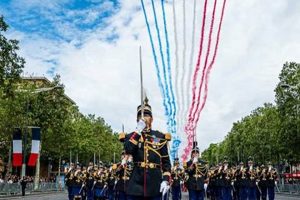
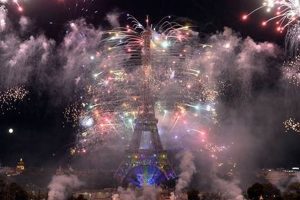
The annual military procession, held on July 14th in Paris, commemorates the Storming of the Bastille in 1789, a pivotal event in the French Revolution. It showcases France’s armed forces, including various branches of the military, equipment, and aircraft. The event serves as a national symbol of unity and pride.
This significant event reinforces national identity, honors military personnel, and demonstrates the nation’s defense capabilities. Historically, it has served as a marker of national resilience, particularly following periods of conflict or upheaval. It also offers a platform for diplomatic engagement, frequently hosting foreign dignitaries and showcasing international cooperation.
The following sections will delve into specific aspects of the event, including its historical origins, the structure of the procession, notable participants, and its broader cultural significance. This analysis aims to provide a comprehensive understanding of this important national celebration.
Guidance for Attending the Bastille Day Parade
Attending the national celebration requires careful planning. Understanding the logistical challenges and security considerations is crucial for a positive experience.
Tip 1: Plan Arrival Time Early: Securing a viewing spot requires arriving several hours before the start of the procession. The crowds are substantial, and prime locations fill quickly.
Tip 2: Understand the Route: The parade typically proceeds down the Champs-lyses. Familiarize yourself with the route to choose an appropriate viewing location and anticipate potential crowd congestion.
Tip 3: Be Aware of Security Measures: Expect stringent security checks, including bag searches and potential restrictions on certain items. Adhering to security personnel instructions is essential.
Tip 4: Utilize Public Transportation: Public transportation, particularly the Metro, provides the most efficient means of accessing the parade route. Plan your route in advance and anticipate potential delays due to increased traffic.
Tip 5: Dress Appropriately: Given the outdoor nature of the event, consider the weather conditions. Sunscreen, hats, and comfortable footwear are recommended, especially during warmer months.
Tip 6: Stay Hydrated: Bring water and stay hydrated, especially if attending with children or elderly individuals. Extended exposure to the sun and crowds can lead to dehydration.
Tip 7: Identify Emergency Exits: Prior to settling in, identify nearby emergency exits and designated first-aid stations. This proactive measure will aid in case of unforeseen circumstances.
Careful consideration of these points will contribute to a safer and more enjoyable experience. Observing the national celebration provides insight into the nation’s culture and tradition.
Further sections will detail the historical significance and evolving traditions of the parade, offering a deeper understanding of its cultural value.
1. Military Display

The military display constitutes a central and indispensable element of the national celebration. Its presence directly reflects the state’s capacity for defense and serves as a visual representation of national power. The parade’s origin as a military review underscores its historical ties to demonstrating military strength and preparedness. For example, the inclusion of tanks, armored vehicles, and advanced weaponry aims to communicate technological advancement and operational readiness to both domestic and international audiences.
The organization of the display, encompassing marching units, motorized divisions, and aerial flypasts, requires substantial logistical planning and coordination. The selection of participating units and equipment is often deliberate, reflecting current geopolitical considerations and strategic priorities. For instance, the participation of troops from allied nations can signify international partnerships and solidarity, while the deployment of newly acquired military assets showcases modernization efforts. The precision and discipline exhibited by the participating forces reinforce perceptions of competence and professionalism.
In conclusion, the military display component is a critical facet of the national celebration. Its effect is to project an image of strength, technological advancement, and national pride. Understanding the purpose and execution of the military display provides insight into the states strategic priorities and its perception of its role within the international community. The continuous evolution of equipment and protocols demonstrates the adaptability of the nation’s armed forces, signifying the continuous commitment to national defense.
2. National Unity

The national celebration serves as a significant instrument for fostering national unity. It brings together citizens from diverse backgrounds to participate in a shared expression of national identity and pride. This collective experience aims to transcend regional, ethnic, and socioeconomic divisions, reinforcing a sense of common belonging and shared purpose. The events symbolism, which commemorates a pivotal moment in the nation’s history, provides a rallying point for the citizenry, promoting social cohesion and strengthening national identity. For example, during periods of social or political division, the national celebration is often utilized to emphasize shared values and historical narratives, thus promoting reconciliation and solidarity.
The importance of national unity as a component of the event is further underscored by the inclusion of representatives from various regions and social groups in the proceedings. The selection of participants, ranging from military personnel to civilian performers, is intended to reflect the nation’s diversity and inclusivity. The presence of these representatives demonstrates the commitment to recognizing and celebrating the contributions of all segments of society to the nation’s collective identity. Moreover, the broadcast of the event nationwide ensures that citizens across the country can participate vicariously, fostering a sense of shared experience and reinforcing national unity.
Understanding the practical significance of the connection between the national celebration and national unity is crucial for preserving social cohesion and stability. By recognizing the event’s role in promoting shared values and fostering a sense of common identity, policymakers and community leaders can leverage its potential to address social divisions and strengthen national bonds. Challenges may arise when the historical narrative promoted by the event is contested or when certain groups feel excluded from the celebration. Addressing these challenges requires fostering dialogue and ensuring that the event reflects the diverse perspectives and experiences of all citizens, thereby reinforcing its role as a symbol of national unity.
3. Historical Commemoration

The event serves as a direct link to the Storming of the Bastille in 1789, a watershed moment in the French Revolution. This event marked the end of absolute monarchy and the rise of republican ideals. The annual procession directly commemorates the courage and sacrifice of those involved in overthrowing the existing political order. The choice of July 14th as the national holiday solidifies this connection, ensuring the ideals of liberty, equality, and fraternity, central to the revolution, are remembered. The presence of historical reenactments or displays within the procession often reinforces this historical narrative. For example, depictions of revolutionary figures and symbols are frequently incorporated into the parade, visually connecting the modern event to its historical origins. The practical effect is a reinforced national identity rooted in republican values.
The inclusion of elements referencing the French Revolution ensures the original intent and consequences are remembered and considered. The display of the tricolore, the national flag, symbolizes the unity of the nation and serves as a constant reminder of the revolutions goals. The playing of La Marseillaise, the national anthem, evokes the spirit of the revolutionary period. The presence of veterans and active military personnel serves to link the past sacrifices with the present commitment to defending national values. Therefore, the act of historical commemoration is not merely a symbolic gesture but a practical method for reinforcing national identity and promoting a shared understanding of the nation’s past. Educational initiatives surrounding the event further amplify this impact.
Challenges arise when interpretations of the French Revolution differ or when certain groups feel excluded from the revolutionary narrative. Disagreements over the legacy of the revolution or the prioritization of certain historical figures can undermine the events unifying potential. The sensitivity to such challenges requires that the historical commemoration element of the event be approached with inclusivity and awareness. By acknowledging the complexities of the past and promoting a nuanced understanding of history, it can continue to serve as a powerful symbol of national unity and shared values, ensuring it remains relevant and meaningful for all citizens.
4. French Pride

The annual procession is a tangible demonstration of national pride. It provides an opportunity for citizens to express their patriotism and celebrate the nation’s history, culture, and achievements. The display of the tricolore, the performance of La Marseillaise, and the presence of military personnel serve as powerful symbols evoking sentiments of national identity. The scope and scale of the event, particularly the attention devoted to showcasing military capabilities and technological advancements, contribute to reinforcing a positive self-image and fostering a sense of collective accomplishment. For instance, the enthusiastic crowds lining the Champs-lyses each year demonstrate the resonance of the event with the public and the depth of national sentiment that it generates. The active participation of citizens in the celebration, whether as spectators, volunteers, or performers, further validates the connection between the event and widespread national sentiment.
The importance of national pride as a component of the annual procession stems from its role in reinforcing social cohesion and promoting national unity. When citizens feel pride in their country, they are more likely to support its institutions, adhere to its laws, and contribute to its overall well-being. The procession also functions as a vehicle for transmitting cultural values and historical narratives to younger generations, fostering a sense of continuity and shared identity. For example, the inclusion of children in the procession and the educational initiatives surrounding the event serve to instill a sense of national pride in future generations. Furthermore, the positive international attention garnered by the event reinforces the country’s reputation and strengthens its standing in the global community. The practical application lies in fostering a sense of national purpose, encouraging civic engagement, and promoting social stability.
In summary, the connection between national pride and the procession is multifaceted and significant. The event serves as a powerful instrument for expressing, reinforcing, and transmitting national sentiment. Challenges can arise when certain groups feel excluded from the celebration or when the event is perceived as overly nationalistic or militaristic. A balanced and inclusive approach is required to ensure that the procession continues to serve as a positive force for national unity and civic engagement, celebrating the nation’s strengths while acknowledging its complexities and imperfections. The continuous adaptation of the parade to reflect current societal values, and promote inclusivity remains paramount to maintain its role as a genuine representation of national pride.
5. Technological Showcases
The inclusion of technological showcases within the national celebration underscores the nation’s commitment to innovation and progress. Advanced military equipment, such as aircraft, armored vehicles, and communication systems, are prominently featured. This demonstration serves multiple purposes, including projecting an image of strength and technological superiority, attracting foreign investment in defense industries, and inspiring domestic interest in science and engineering fields. The practical consequence is that it visually reinforces the nations standing in the global arena, fostering domestic confidence in its capabilities.
A real-life example is the annual display of newly developed aircraft by the French Air Force. The flypast provides a platform to demonstrate the capabilities of indigenous aerospace technology and underscore the nation’s commitment to maintaining a modern and effective military. Moreover, the incorporation of civilian technologies, such as advancements in transportation and communication, highlights the nation’s broader technological landscape. Practical applications stem from inspiring scientific and technological vocations within the population. Furthermore, the event promotes partnerships between military and civilian sectors, leading to innovative solutions benefitting both domains.
The incorporation of technological showcases into the annual procession poses challenges. Maintaining a balance between demonstrating military prowess and promoting peaceful technological advancements is important. Overemphasis on military hardware may elicit criticism or misinterpretation from international observers. The key lies in ensuring the technological presentations are viewed as representing national progress, both militarily and civilian, and the nation’s commitment to technological advancement for the benefit of its citizens. Therefore, strategic curation of the technological displays can maximize their positive impact on national pride, international relations, and technological innovation.
6. Diplomatic Significance
The annual procession transcends a purely domestic celebration, serving as a strategic instrument of diplomatic engagement and international relations. Its carefully orchestrated displays and guest lists communicate a spectrum of messages to foreign governments and international observers.
- Hosting Foreign Dignitaries
The invitation and attendance of foreign heads of state, government officials, and military leaders constitutes a deliberate act of diplomatic protocol. These invitations often signify close bilateral relations, strategic alliances, or shared security interests. For example, the presence of troops from allied nations participating in the procession demonstrates solidarity and reinforces defense partnerships. The selection of dignitaries invited and the level of protocol afforded them communicates nuanced signals regarding the host nation’s foreign policy priorities.
- Showcasing Military Capabilities to International Observers
The exhibition of military hardware and personnel serves as a visual demonstration of the nation’s defense capabilities, intended for both domestic and international audiences. This display can act as a deterrent, signaling the nation’s commitment to self-defense and its capacity to project power. Simultaneously, it provides an opportunity for foreign military attachs and defense analysts to assess the nation’s military advancements and strategic posture. The implications are significant, influencing perceptions of the nation’s regional and global influence.
- Reinforcing International Alliances
The inclusion of foreign military contingents participating in the procession strengthens existing alliances and demonstrates a commitment to collective security. Such participation underscores shared values and mutual defense obligations. For instance, the joint flypast of aircraft from multiple nations symbolizes interoperability and collaboration in defense matters. This public display of unity reinforces diplomatic ties and communicates a united front to potential adversaries. These events help establish trust and signal collaborative defence strategies.
- Promoting Cultural Diplomacy
Beyond military displays, the procession incorporates elements of cultural diplomacy, showcasing the nation’s heritage, artistic achievements, and societal values. This soft power projection aims to enhance the nation’s image abroad and foster positive relations with other countries. The inclusion of cultural performances, artistic displays, and historical reenactments presents a multifaceted portrait of the nation, countering potential stereotypes and promoting cross-cultural understanding. The positive reception of these cultural elements contributes to strengthening international relations and fostering goodwill.
In summary, the procession’s diplomatic significance arises from its capacity to communicate nuanced messages to the international community, reinforce alliances, showcase military capabilities, and promote cultural understanding. The orchestrated displays and carefully chosen participants transform a national celebration into a strategic tool for advancing foreign policy objectives and strengthening international relations. The impact influences the host nations status.
7. Public Celebration

The annual procession is fundamentally a public celebration, signifying national unity, historical commemoration, and collective identity. This public dimension is integral to its purpose, fostering civic engagement and strengthening social bonds. The extent to which the public actively participates and identifies with the event is a crucial measure of its success.
- Accessibility and Inclusivity
The procession is designed to be accessible to all citizens. Its location along major public thoroughfares, its broadcast on national television, and its availability as a free event contribute to broad participation. The inclusion of diverse groups, reflecting the nation’s social and ethnic composition, further enhances its appeal and inclusivity. The success of the parade hinges on its ability to create a shared experience for all citizens, irrespective of their backgrounds or beliefs. For example, designated viewing areas for disabled individuals, multilingual information, and targeted outreach efforts to minority communities demonstrate a commitment to accessibility and inclusivity.
- Civic Engagement and Participation
Beyond passive observation, the procession encourages active civic engagement. Citizens participate as spectators, volunteers, performers, and members of community organizations. Such involvement strengthens social bonds and fosters a sense of ownership over the nation’s cultural traditions. The widespread display of the national flag, the singing of the national anthem, and the expressions of patriotic sentiment are visible manifestations of civic engagement. For instance, schools organizing student participation in the parade and community groups preparing cultural displays demonstrate active involvement in the event. These actions reinforces social bonds and civic participation.
- Expression of National Identity and Pride
The procession provides a platform for the public to express national identity and pride. Citizens demonstrate their patriotism through various symbolic actions, such as wearing national colors, carrying flags, and cheering on the participants. The shared experience of witnessing the procession reinforces a sense of collective identity and shared values. The positive emotions generated by the event, such as joy, excitement, and admiration, contribute to a strengthening of national sentiment. The scale and visibility of the celebration amplify these expressions of national identity, both domestically and internationally. Through participating in this event, the population expresses their national identity.
- Cultural Transmission and Intergenerational Connection
The procession serves as a mechanism for cultural transmission, conveying historical narratives, social values, and artistic traditions to younger generations. Children and youth participating in the event learn about their nation’s history and culture, developing a sense of belonging and continuity. The presence of veterans and elders in the procession reinforces intergenerational connections, linking the past with the present. Educational initiatives surrounding the event, such as school projects and museum exhibits, further amplify this cultural transmission. The intergenerational connection is valuable because the traditions passed from one generation to the next, reinforces civic bonds and promotes national pride.
In conclusion, the public celebration component is fundamental to the nature and significance of the annual procession. Its accessibility, inclusivity, capacity for fostering civic engagement, expression of national identity, and facilitation of cultural transmission contribute to its enduring relevance and appeal. The procession, therefore, serves as a powerful instrument for uniting citizens, promoting shared values, and strengthening the national identity.
Frequently Asked Questions About the National Celebration
The following questions and answers address common inquiries regarding the annual event, its history, and significance.
Question 1: What is the origin of the national procession?
The origin can be traced to the events of July 14, 1789, specifically the storming of a Parisian fortress, a pivotal episode in the French Revolution. The annual event commemorates this defining moment in the nation’s history.
Question 2: Where does it take place?
The procession primarily occurs along the Champs-lyses in Paris, a significant avenue providing a suitable stage for the military display and public observation.
Question 3: Who typically participates?
Participants generally include the nation’s armed forces (army, navy, air force), representatives from various government agencies, and occasionally, contingents from allied nations. Civilian performers and cultural groups also contribute to the event.
Question 4: What are the security measures in place?
Stringent security measures are implemented, including bag checks, identification verification, and heightened surveillance. These measures are intended to ensure the safety and security of all attendees and participants.
Question 5: Is the event open to the public?
Yes, the event is open to the public. However, due to the large crowds, arriving early is advisable to secure a viewing spot. Certain areas may require credentials or invitations.
Question 6: What is the significance for France?
The procession reinforces national unity, commemorates historical events, showcases the nation’s military capabilities, and projects a positive image both domestically and internationally. It serves as a symbol of the nation’s identity, values, and aspirations.
In summary, the questions and answers above provide fundamental insights into the historical context, logistical aspects, and symbolic importance of the annual procession.
The upcoming sections will explore the historical origins, evolution, and future trajectory, and contribute a complete analysis of the annual event.
Conclusion
This examination of the Bastille Day Parade has illuminated its multifaceted significance beyond a mere military display. It serves as a potent symbol of national unity, a commemoration of pivotal historical events, a showcase of technological capabilities, and a strategic instrument of diplomatic engagement. The annual procession reinforces national identity, projects an image of strength, and transmits cultural values across generations.
Continued analysis and understanding of the Bastille Day Parade are essential for appreciating its evolving role in shaping national identity and international relations. It is a reminder of the enduring ideals of liberty, equality, and fraternity, urging continued reflection on their relevance in contemporary society. The long history of Bastille Day Parade is going to expand, due to the culture, union and the armed forces.