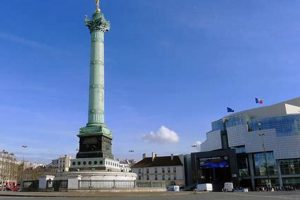
July 14th in the French capital is marked by a series of nationally significant events. The day commences with a grand military parade down the Champs-lyses, showcasing the French armed forces and often featuring international participants. Aircraft displays fill the sky, drawing large crowds to witness the spectacle.
The commemoration holds immense historical and cultural significance. It celebrates the anniversary of the storming of the Bastille in 1789, a pivotal moment in the French Revolution, symbolizing the overthrow of the monarchy and the establishment of a republic. The holiday embodies the values of liberty, equality, and fraternity, cornerstones of French identity.
Following the morning parade, the focus shifts to other celebratory activities. Fire stations across the city open their doors to the public, hosting traditional balls known as bals des pompiers. These offer an opportunity for community engagement and festive gatherings. As evening approaches, many Parisians and visitors gather at the Champ de Mars to enjoy a large-scale concert followed by a spectacular fireworks display illuminating the Eiffel Tower, providing a fitting end to the national holiday.
Planning and preparation are essential for a smooth experience when attending Bastille Day celebrations in Paris. Consider these factors to maximize enjoyment and minimize potential disruptions.
Tip 1: Arrive Early for Prime Viewing Locations: Securing a favorable vantage point for the military parade requires significant advance planning. Spectators should arrive several hours before the scheduled start time to secure a position along the Champs-lyses.
Tip 2: Utilize Public Transportation: Given road closures and increased pedestrian traffic, utilizing the Paris Metro and RER train system is strongly recommended. Plan routes carefully and anticipate potential delays due to crowding.
Tip 3: Be Aware of Security Measures: Expect heightened security protocols throughout the city. Bag checks and security screenings are common, particularly at major event locations. Cooperation with security personnel is essential.
Tip 4: Research Ball Locations in Advance: If attending a bal des pompiers, research the participating fire stations and their respective schedules. Many balls require pre-registration or have limited capacity.
Tip 5: Prepare for Potential Weather Conditions: July in Paris can be unpredictable. Pack accordingly for both warm and potentially rainy weather. Hydration is also essential, especially during periods of prolonged standing.
Tip 6: Consider Alternative Viewing Points for Fireworks: While the Champ de Mars offers a central location, it is also the most crowded. Consider alternative viewing locations along the Seine River or from elevated vantage points for a less congested experience.
Tip 7: Familiarize Yourself with Local Emergency Services: In the event of an emergency, familiarize yourself with the location of local hospitals and emergency services. Know the emergency contact number (112).
Proper planning, adherence to security guidelines, and awareness of transportation options are crucial for navigating the large crowds and maximizing enjoyment of the Bastille Day festivities.
These preparations will enhance your experience of this significant national celebration.
1. Military Parade

The military parade stands as a central pillar of the Bastille Day celebrations in Paris. It is not merely a component, but a foundational element upon which much of the day’s significance rests. The parade serves as a visible representation of national strength and unity, directly linking to the historical and patriotic values enshrined in the holiday. The visual spectacle of the procession, encompassing various branches of the French armed forces, contributes directly to the patriotic atmosphere. For example, the presence of historical military units alongside modern equipment illustrates the continuity of French military tradition. The parade’s route along the Champs-lyses, a major Parisian thoroughfare, further reinforces its integration into the urban landscape and public consciousness.
The parade’s influence extends beyond visual spectacle. It dictates logistical arrangements across the city, necessitating road closures and security measures that impact transportation and public access. The timing of the parade sets the tempo for other scheduled events, like the aerial display and presidential address. Historically, the composition and scale of the parade reflect contemporary geopolitical considerations and national priorities. The inclusion of foreign military contingents, as seen in previous years, illustrates international partnerships and diplomatic alliances. Such inclusions are carefully considered and symbolically relevant. The televised broadcast of the parade provides a means to engage the entire nation, fostering a sense of collective identity.
In summary, the military parade is not simply an isolated event but an integral element of the larger Bastille Day commemoration. It shapes the day’s schedule, influences urban logistics, and serves as a potent symbol of national identity and military capability. Understanding its significance requires appreciating its role as both a visual spectacle and a carefully orchestrated expression of national values and geopolitical considerations. The parade’s success contributes significantly to the overall success and impact of Bastille Day celebrations.
2. Aircraft Flyover

The aircraft flyover is an integral component of the Bastille Day celebrations in Paris, directly following and complementing the ground-based military parade. It serves to extend the visual spectacle into the aerial realm, amplifying the sense of national pride and technological prowess. The timing of the flyover is precisely coordinated with the parade beneath, creating a unified and impactful display. The aircraft involved are typically drawn from the French Air and Space Force, but may also include assets from other branches of the armed forces or even allied nations. The formations flown often include a diverse array of aircraft, ranging from fighter jets and transport planes to helicopters, demonstrating the breadth of France’s aviation capabilities. For example, the Patrouille de France, the French Air Force’s aerobatic demonstration team, frequently performs intricate maneuvers, leaving trails of blue, white, and red smoke the colors of the French flag across the Parisian sky. This visual representation of national colors reinforces the patriotic dimension of the holiday.
The inclusion of the aircraft flyover contributes significantly to the overall atmosphere of the Bastille Day events. The roar of the engines and the precision of the formations elicit a strong emotional response from the crowds gathered below. The flyover also serves a practical function, demonstrating the operational readiness of the French Air and Space Force to the public. The selection of aircraft participating in the flyover can also reflect broader strategic priorities. The inclusion of certain aircraft may be intended to highlight specific military capabilities or to showcase technological advancements. The flyover also presents logistical challenges, requiring careful planning and coordination between air traffic controllers, military personnel, and event organizers. Safety considerations are paramount, necessitating strict adherence to flight protocols and designated airspace restrictions.
In summary, the aircraft flyover constitutes a vital and visually arresting element of the Bastille Day celebrations in Paris. It complements the military parade, reinforces national identity, and provides a demonstration of French aviation capabilities. Its inclusion requires meticulous planning and coordination, underscoring its significance within the broader context of the national holiday. Understanding the function and symbolism of the flyover contributes to a fuller appreciation of the meaning and purpose of the Bastille Day commemorations.
3. Public Celebrations
Public celebrations form an indispensable component of the Bastille Day observances in Paris, directly influencing the character and impact of the national holiday. These widespread festivities ensure broad public engagement, transforming the commemorative event into an active and participatory experience for citizens and visitors alike. Without them, the day risks becoming a purely ceremonial and passive observation, losing its connection to the values it commemorates. The effect of these activities is to democratize the historical significance of July 14th, making it accessible and relevant to individuals from all walks of life. For instance, the free concerts held at the Champ de Mars provide a space for collective enjoyment and shared patriotic expression, attracting large and diverse crowds.
The importance of public celebrations is further underscored by their diversity, catering to a wide range of interests and preferences. The bals des pompiers, hosted by fire stations across the city, offer a traditional and convivial atmosphere, fostering community interaction. These events, often featuring live music and dancing, provide an informal setting for Parisians to connect with their local fire departments and celebrate their civic pride. The significance of these celebrations extends beyond mere entertainment. They reinforce the sense of national identity and shared belonging, reminding citizens of the values and ideals that underpin the French Republic. The practical application of understanding this connection lies in recognizing the necessity of supporting and promoting these public events to ensure the continued vitality and relevance of Bastille Day.
In conclusion, public celebrations are not merely ancillary activities but a critical element in shaping the meaning and impact of Bastille Day in Paris. They provide a crucial link between historical commemoration and contemporary civic engagement, reinforcing national identity and fostering community spirit. Challenges in maintaining these celebrations may arise from budgetary constraints or security concerns, requiring ongoing commitment and creative solutions to ensure their continued accessibility and success. Recognizing and addressing these challenges is essential for preserving the inclusive and participatory nature of this significant national holiday.
4. Fire Station Balls

Fire station balls, known as bals des pompiers, constitute a notable component of the Bastille Day festivities in Paris. These events, held on the evenings of July 13th and 14th, offer a unique and accessible form of celebration, intertwining community engagement with the national holiday.
- Community Engagement
Fire station balls provide an opportunity for Parisians to interact directly with their local firefighters in an informal setting. These gatherings often feature music, dancing, and refreshments, fostering a sense of community and civic pride. The accessibility of these events promotes inclusivity, allowing individuals from diverse backgrounds to participate in the Bastille Day celebrations.
- Tradition and History
The tradition of fire station balls dates back to the late 1930s, evolving from impromptu celebrations by firefighters after the official ceremonies. Over time, these informal gatherings transformed into organized events, becoming a cherished aspect of the Bastille Day tradition. The historical roots of these balls connect them to the broader narrative of the French Revolution and the evolving relationship between the public and its institutions.
- Fundraising and Support
Many fire station balls serve as fundraising events, with proceeds benefiting the fire departments and their community outreach programs. These funds contribute to the maintenance of equipment, the provision of training, and the support of local initiatives. The fundraising aspect of these events reinforces the connection between the fire service and the public it serves, highlighting the vital role of firefighters in the community.
- Logistical Considerations
The organization of fire station balls requires significant logistical planning and coordination. Fire stations must balance their operational responsibilities with the demands of hosting large public gatherings. Security measures, crowd control, and the provision of amenities all require careful consideration. The success of these events relies on the dedication and commitment of the firefighters and volunteers involved.
The fire station balls are an integral part of the Bastille Day experience in Paris. They exemplify the spirit of community engagement and civic pride, reinforcing the values of the French Republic. Their historical roots, fundraising aspect, and logistical challenges further underscore their significance within the broader context of the national holiday.
5. Eiffel Tower Fireworks

The Eiffel Tower fireworks display serves as the culminating event of Bastille Day celebrations in Paris. It represents a carefully orchestrated fusion of pyrotechnics, music, and national symbolism. The cause is the annual commemoration of the storming of the Bastille, with the effect being a large-scale spectacle designed to evoke national pride and unity. The Eiffel Tower, as an iconic Parisian landmark, provides the perfect backdrop for this display, enhancing its visual impact and symbolic resonance.
This fireworks presentation is not simply a random assortment of pyrotechnics. Instead, it typically follows a specific theme, often related to French history, culture, or values. This theme is reflected in the choice of music accompanying the fireworks, creating a synchronized audio-visual experience. For example, in recent years, themes have included tributes to French artistic movements or celebrations of national heroes. The choice of the Eiffel Tower is a deliberate act, considering its position as a symbol of Paris and France as a whole. Millions of people gather in Paris, with many more watching via television or the internet, to witness this display.
The Eiffel Tower fireworks display represents a significant undertaking, requiring months of planning, design, and logistical coordination. The success of the display depends on the expertise of pyrotechnicians, engineers, and event organizers. It requires coordination of various municipal services, including law enforcement, fire departments, and transportation authorities, so that there is minimal disruption. The fireworks display is more than entertainment, it provides an expression of national identity, a demonstration of artistic and technical capabilities, and a unifying experience for the nation, concluding Bastille Day celebrations with a grand and memorable finale.
6. National Holiday

Bastille Day, observed annually on July 14th, functions as a national holiday in France, directly influencing the events and character of the day in Paris. The designation as a national holiday establishes a framework for scheduled events, public closures, and overall societal participation in commemorative activities.
- Closure of Businesses and Institutions
As a designated national holiday, many businesses, government offices, and educational institutions in Paris are closed on July 14th. This widespread closure allows for maximum public participation in the day’s events, signaling the importance of the holiday to the nation. Essential services, such as public transportation and emergency services, typically remain operational, often on adjusted schedules.
- Official Ceremonies and Commemorations
The national holiday status mandates specific official ceremonies and commemorations, most notably the military parade on the Champs-lyses. Government officials and dignitaries attend these events, emphasizing the state’s endorsement of the holiday’s historical significance and national values. The parade is broadcast nationally, reinforcing the sense of collective identity.
- Public Gatherings and Festivities
The national holiday designation facilitates and encourages public gatherings and festivities throughout Paris. The bals des pompiers at fire stations, concerts, and the fireworks display over the Eiffel Tower are planned and promoted as accessible opportunities for citizens to celebrate. These events are often subsidized by public funds to ensure their availability to a wide audience.
- Symbolic Reinforcement of National Identity
The national holiday serves to reinforce national identity and shared values. The commemoration of the storming of the Bastille symbolizes the French Revolution’s ideals of liberty, equality, and fraternity. The events of the day, from the military parade to the fireworks display, aim to evoke a sense of national pride and unity among citizens.
The designation of July 14th as a national holiday is more than a symbolic gesture; it is a structured framework that shapes the events in Paris, enabling widespread participation, official endorsement, and the reinforcement of national identity. The activities on this day are, in large part, a direct result of its status as a nationally recognized and celebrated holiday.
7. Historical Commemoration
The events occurring on July 14th in Paris are intrinsically linked to historical commemoration, specifically the anniversary of the storming of the Bastille in 1789. This single event serves as the catalyst for the holiday’s existence, shaping the nature of the observances and imbuing them with symbolic significance.
- Symbolic Representation of the Revolution
The storming of the Bastille, a medieval fortress and prison, represented the overthrow of royal authority and the triumph of popular sovereignty. This act is symbolically reenacted and celebrated through the military parade, which showcases the strength and unity of the French Republic, a direct result of the revolution. The presence of military personnel in historical uniforms further reinforces the connection to the past.
- Emphasis on Revolutionary Ideals
The ideals of the French Revolution libert, galit, fraternit are prominently displayed and reiterated throughout the Bastille Day celebrations. Speeches by government officials often invoke these principles, reminding citizens of the foundation upon which the Republic was built. Public art installations and educational programs accompanying the holiday further emphasize these core values.
- Commemoration of Sacrifices
The holiday serves as a solemn reminder of the sacrifices made by those who fought for the ideals of the revolution. Memorial ceremonies and wreath-laying events are typically held to honor the fallen. These acts of remembrance underscore the human cost of the revolution and the importance of preserving the freedoms and rights that were won. This aspect may be less overt than the celebratory events, but it is a crucial component of the commemoration.
- Reflection on the Evolution of French Identity
Bastille Day provides an opportunity for reflection on the ongoing evolution of French national identity. The holiday’s traditions and symbols are reinterpreted and adapted over time to reflect contemporary values and challenges. The inclusion of diverse cultural elements in the celebrations demonstrates the evolving nature of French society while still grounding it in its revolutionary origins.
In summary, the historical commemoration of the storming of the Bastille provides the foundational context for all events on July 14th in Paris. It shapes the symbolic meaning, reinforces revolutionary ideals, honors past sacrifices, and enables reflection on the evolving nature of French identity. These elements, interwoven throughout the day’s activities, ensure that the historical event remains relevant and meaningful to contemporary French society.
Frequently Asked Questions
This section addresses common inquiries regarding the events and activities occurring on July 14th in the French capital.
Question 1: What specific events comprise the official Bastille Day celebrations?
The official commemorations consist of a military parade down the Champs-lyses, an aerial flyover, public concerts, fire station balls (bals des pompiers), and a fireworks display over the Eiffel Tower.
Question 2: What is the historical significance of the military parade?
The military parade serves as a symbolic representation of national strength and unity, directly linking to the historical and patriotic values enshrined in the holiday. It commemorates the citizens’ army that arose during the French Revolution.
Question 3: Are the “bals des pompiers” open to the public?
Yes, the bals des pompiers at fire stations across Paris are generally open to the public, though some may require pre-registration or have limited capacity due to security concerns and fire code regulations. These events are organized independently by each fire station.
Question 4: What security measures are in place during Bastille Day events?
Heightened security measures are implemented throughout Paris, including increased police presence, bag checks, and designated security perimeters. These measures are designed to ensure public safety during the large-scale gatherings.
Question 5: Is transportation affected during Bastille Day?
Yes, significant transportation disruptions are anticipated. Road closures are common along the Champs-lyses and around major event locations. The Paris Metro and RER train systems remain operational but may experience increased crowding and delays.
Question 6: What is the significance of the Eiffel Tower fireworks display?
The Eiffel Tower fireworks display serves as the culminating event of Bastille Day, combining pyrotechnics, music, and national symbolism. It represents a carefully orchestrated spectacle designed to evoke national pride and unity.
In summary, Bastille Day in Paris is a complex event combining military display, historical commemoration, and public celebration. Careful planning and awareness are advised for attendees.
This information should provide a comprehensive overview of what to expect on July 14th in Paris. Further research into specific events is recommended for detailed planning.
What Happens on Bastille Day in Paris
The exploration of what happens on Bastille Day in Paris reveals a multifaceted event of considerable national importance. From the military parade and aerial display to the public celebrations and the culminating fireworks over the Eiffel Tower, each component contributes to a larger narrative of national identity, historical commemoration, and civic unity. The closure of businesses and institutions, coupled with heightened security measures, underscores the seriousness with which the day is regarded.
Understanding the various dimensions of what happens on Bastille Day in Paris fosters a deeper appreciation of French culture and history. Observing the events of this national holiday provides insight into the values that underpin the French Republic and offers a moment for reflection on the enduring legacy of the French Revolution. Recognizing the past assists one to see the future.