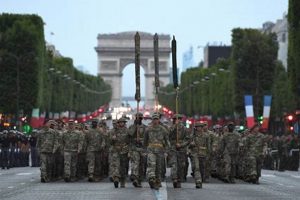
Stylistic choices for the French National Day commonly involve incorporating the colors of the French flag: blue, white, and red. Examples range from subtle accents, such as a scarf or handbag, to more prominent displays, like a dress or coordinated separates. The intent is often to pay homage to French heritage and the values of liberty, equality, and fraternity.
The selection of appropriate garments for this celebration is important for expressing cultural appreciation and demonstrating respect for the historical significance of the event. It provides an opportunity to engage with and acknowledge French history and identity, fostering a sense of connection and shared celebration. Commemorating this event extends beyond mere fashion; it signifies an understanding of its contribution to republican ideals.
The following sections will present a variety of approaches one can take when curating a wardrobe appropriate for celebrating this occasion, considering factors such as practicality, comfort, and level of formality desired.
Styling Suggestions for the French National Day
This section offers practical recommendations for assembling a suitable ensemble for celebrating the French National Day, focusing on elegance, appropriateness, and cultural sensitivity.
Tip 1: Embrace the Tricolore: Integrate blue, white, and red into the outfit. This may be achieved through a dress featuring the colors, separates in each hue, or subtle accessories such as a scarf, belt, or jewelry. A balanced approach avoids overwhelming the overall aesthetic.
Tip 2: Consider a Breton Stripe Top: A classic Breton stripe top offers a nod to French maritime tradition. Pairing this with tailored trousers or a skirt creates a sophisticated and timeless look. The top’s versatility allows for effortless integration into various styles.
Tip 3: Opt for Classic Silhouettes: Choose garments with clean lines and timeless silhouettes, such as A-line dresses, pencil skirts, or well-fitted blazers. These styles contribute to a polished and refined appearance, reflecting French fashion sensibilities.
Tip 4: Accessorize with Intention: Select accessories that complement the outfit without overshadowing it. A simple beret, a delicate gold necklace, or classic ballet flats can enhance the overall aesthetic while maintaining a sense of understated elegance.
Tip 5: Choose Appropriate Footwear: Comfortable and stylish footwear is essential, particularly if attending outdoor events. Options include ballet flats, loafers, or low heels. Avoid overly casual or impractical shoes that detract from the overall sophistication of the ensemble.
Tip 6: Layer Strategically: Depending on the weather, consider adding layers to the outfit for both warmth and style. A lightweight trench coat or a tailored cardigan can provide versatility and visual interest while ensuring comfort throughout the day.
Tip 7: Mind the Venue: The choice of apparel should correlate with the venue or event. A casual picnic warrants a more relaxed ensemble, while a formal reception demands a more sophisticated and tailored approach.
These suggestions provide a foundation for constructing a visually appealing and culturally appropriate outfit for celebrating the French National Day. By adhering to these guidelines, individuals can confidently express their appreciation for French culture and history through their sartorial choices.
The following sections will discuss common mistakes to avoid when planning appropriate attire for the occasion.
1. Color palette selection

Color palette selection is a pivotal component of any ensemble intended for the French National Day. The deliberate incorporation of the French flag’s colors blue, white, and red serves as a visual cue, immediately aligning the attire with the occasion’s theme. A misjudged color scheme can diminish the intended celebratory effect or, worse, convey disrespect for the holiday’s significance. For instance, an outfit dominated by black or excessively muted tones could be perceived as lacking the celebratory spirit associated with the event, while an indiscriminate or clashing color combination risks appearing insensitive or haphazard.
The impact of the color palette extends beyond simple aesthetics. When executed effectively, the tricolor arrangement evokes feelings of patriotism, cultural appreciation, and solidarity. Consider the example of a navy blue dress paired with white accessories and a strategically placed red scarf the arrangement instantly signifies the celebration while maintaining a level of sophistication. Conversely, a predominantly green or yellow outfit, even if stylish in its own right, would lack the contextual relevance required for this particular event. The selection process must consider the relative prominence and balance of each color. An overabundance of one color at the expense of the others can disrupt the visual harmony and dilute the overall message.
In summary, informed color palette selection constitutes a foundational element in curating appropriate attire for the French National Day. Precise execution not only enhances the visual appeal but also ensures a respectful and meaningful engagement with the occasion’s cultural context. A poorly considered color scheme detracts from the overall impact and diminishes the intended message of cultural awareness and celebration.
2. Silhouette appropriateness

Silhouette appropriateness constitutes a crucial, though often subtle, element in assembling an ensemble suitable for the French National Day. The chosen shape and structure of the garment directly influences the overall impression, conveying a sense of respect, formality, or casualness befitting the occasion.
- Formality Alignment
The silhouette should align with the expected level of formality for the specific event. A casual picnic warrants relaxed silhouettes, such as flowy sundresses or comfortable separates. Conversely, a formal reception necessitates more structured and tailored silhouettes, including A-line dresses, sheath dresses, or coordinated skirt and blazer combinations. Selecting a silhouette that deviates significantly from the expected formality can result in a mismatched and inappropriate appearance.
- Cultural Context
Certain silhouettes possess inherent cultural connotations that may be relevant to the French National Day. For instance, a classic Breton stripe top paired with high-waisted trousers evokes a sense of traditional French style. Similarly, a midi-length dress with a subtle floral print can suggest a romantic and feminine aesthetic, reminiscent of Parisian fashion. Conversely, overly modern or avant-garde silhouettes may distract from the intended celebration of French heritage.
- Body Type Considerations
The silhouette should complement the wearer’s body type, ensuring a flattering and confident appearance. A well-chosen silhouette can enhance positive features while minimizing perceived flaws. For example, an A-line dress can create a balanced silhouette for various body shapes, while a tailored blazer can add structure and definition. Selecting a silhouette that does not suit the wearer’s body type can detract from the overall aesthetic and diminish their confidence.
- Movement and Comfort
The silhouette should allow for ease of movement and comfort, particularly if attending outdoor events or activities. Restrictive or cumbersome silhouettes can hinder enjoyment and detract from the overall experience. Opting for silhouettes that prioritize both style and comfort ensures a more relaxed and enjoyable celebration. A flowing maxi dress or a well-tailored jumpsuit, for example, can provide both elegance and freedom of movement.
The integration of silhouette appropriateness into the selection process for the French National Day attire significantly enhances the overall impact. A thoughtfully chosen silhouette not only complements the wearer’s body type and personal style, but also demonstrates respect for the cultural context and the specific demands of the event. Ignoring this aspect can result in an outfit that, while potentially stylish in isolation, fails to resonate with the occasion’s spirit.
3. Accessory coordination

Effective accessory coordination serves as a critical refinement stage in the selection of appropriate attire for the French National Day. The strategic deployment of accessories elevates an outfit from merely adequate to exceptionally thematic, enhancing its overall impact and conveying a deeper appreciation for the cultural significance of the occasion.
- Color Echo and Emphasis
Accessories provide an opportunity to subtly echo or boldly emphasize the tricolor scheme central to the French National Day. A simple navy dress can be accentuated with a red belt and white shoes, creating a cohesive and visually appealing ensemble. Alternatively, a predominantly white outfit can be punctuated with a blue scarf and red earrings. The careful distribution of color through accessories prevents visual monotony and reinforces the thematic connection. Improper application, such as an overwhelming saturation of one color or the introduction of clashing hues, diminishes the intended effect.
- Historical and Cultural Nuance
Certain accessories carry historical or cultural weight, adding depth and nuance to an outfit. A beret, for instance, evokes a classic French aesthetic, while a delicate gold necklace can subtly allude to Parisian elegance. The integration of such accessories demonstrates a deeper understanding of French culture beyond superficial color associations. However, the overuse of stereotypical accessories can appear contrived or inauthentic. The key lies in selecting pieces that complement the overall aesthetic without overwhelming it.
- Venue and Formality Adaptation
Accessories facilitate the adaptation of an outfit to the specific venue and level of formality associated with the French National Day celebration. A casual picnic may warrant simple accessories such as a straw hat and comfortable sandals, while a formal reception calls for more refined pieces such as a clutch bag and elegant heels. The appropriate selection of accessories ensures that the outfit is not only aesthetically pleasing but also contextually appropriate. Mismatched accessories, such as pairing casual sandals with a formal dress, disrupt the overall harmony and detract from the wearer’s credibility.
- Personal Expression and Taste
While adherence to the thematic guidelines is important, accessories also allow for personal expression and the incorporation of individual taste. A simple outfit can be transformed with a statement necklace or a pair of unique earrings, reflecting the wearer’s personality while remaining within the boundaries of appropriateness. However, accessories should not overshadow the overall outfit or distract from the celebration’s purpose. The goal is to enhance, not overwhelm, the existing ensemble.
In conclusion, successful accessory coordination for the French National Day requires a delicate balance between thematic adherence, cultural sensitivity, venue appropriateness, and personal expression. The strategic use of accessories elevates an outfit, conveying a sense of respect, appreciation, and individual style. Conversely, a lack of attention to accessory coordination can undermine the overall aesthetic and detract from the intended message.
4. Fabric suitability

Fabric suitability plays a pivotal, albeit often understated, role in achieving an appropriate and aesthetically pleasing ensemble for French National Day celebrations. The selected textile influences not only the visual appeal but also the comfort and practicality of the attire, directly impacting the wearer’s overall experience and conveying a message about their attentiveness to the event’s context.
- Climate Responsiveness
The prevailing weather conditions during the French National Day celebrations necessitate the selection of fabrics that ensure comfort and practicality. Lightweight, breathable fabrics such as linen, cotton, or silk blends are appropriate for warmer climates, facilitating airflow and preventing overheating. Conversely, cooler climates may require the incorporation of heavier fabrics such as wool, tweed, or velvet to provide warmth and insulation. Opting for fabrics inappropriate for the climate can lead to discomfort and detract from the overall enjoyment of the event. For example, wearing a heavy wool suit in the summer heat is ill-advised, as is wearing a flimsy linen dress during a chilly evening.
- Formality and Texture
The chosen fabric should align with the level of formality associated with the specific French National Day event. Formal occasions, such as receptions or galas, typically demand luxurious and refined fabrics such as silk, satin, or velvet, which convey elegance and sophistication. Casual gatherings, such as picnics or outdoor festivals, allow for more relaxed and textured fabrics such as cotton, linen, or denim. The texture of the fabric also plays a significant role in defining the overall aesthetic. Smooth fabrics such as silk and satin create a polished and refined appearance, while textured fabrics such as tweed and corduroy offer a more casual and relaxed feel. The misapplication of fabric texture can undermine the intended formality of the ensemble. A denim jacket, while appropriate for a casual setting, would be incongruous at a formal dinner.
- Color Fidelity and Vibrancy
The ability of a fabric to retain and display color accurately is paramount, particularly given the importance of the French flag’s tricolor palette. Fabrics that readily absorb and reflect dyes, such as cotton and linen, allow for vibrant and true renditions of blue, white, and red. Conversely, synthetic fabrics such as polyester may exhibit a tendency to distort or fade colors, resulting in a less impactful and potentially inaccurate representation of the intended theme. The selection of fabrics that ensure color fidelity is crucial for conveying a clear and respectful homage to French national symbolism. A faded or distorted rendition of the tricolor detracts from the overall aesthetic and undermines the intended message.
- Drape and Movement
The way a fabric drapes and moves significantly contributes to the overall silhouette and visual appeal of the garment. Fabrics with a fluid drape, such as silk and chiffon, create elegant and flowing silhouettes, adding a sense of sophistication and grace. Stiffer fabrics, such as linen and cotton, offer more structured silhouettes, conveying a sense of formality and precision. The choice of fabric should align with the desired silhouette and the intended level of formality. A stiff fabric used to create a flowing gown would result in an awkward and unflattering shape, while a fluid fabric used to create a structured blazer would lack the necessary support and definition. The fabric’s drape and movement characteristics are crucial for achieving a harmonious and visually appealing ensemble.
The selection of suitable fabrics for French National Day attire directly influences the overall aesthetic impact, comfort, and appropriateness of the ensemble. A careful consideration of factors such as climate responsiveness, formality alignment, color fidelity, and drape characteristics ensures that the chosen fabrics not only complement the event’s theme but also contribute to a positive and memorable celebratory experience. Disregarding these factors risks undermining the intended message and detracting from the overall visual harmony.
5. Occasion context
The specific setting and nature of a French National Day event significantly influence appropriate sartorial choices. Recognizing and adapting to the occasion’s demands ensures attire that is not only aesthetically pleasing but also respectful and functionally suitable.
- Formal Receptions and Galas
High-end events such as formal receptions or galas necessitate attire reflecting elegance and refinement. This often entails sophisticated dresses, tailored suits, and polished accessories. The color palette should adhere to the tricolor theme, but with an emphasis on richer fabrics and more formal silhouettes. For example, a floor-length navy gown with subtle red and white accents would be appropriate, whereas a casual sundress would be incongruous. The expectation is a level of sartorial formality that reflects the significance of the event.
- Casual Outdoor Festivals and Picnics
More relaxed settings, such as outdoor festivals or picnics, permit a more casual and comfortable approach. Lightweight fabrics, relaxed silhouettes, and practical footwear are preferable. While maintaining the tricolor theme, the emphasis shifts towards ease of movement and comfort. A Breton striped top paired with white shorts or a simple red sundress with comfortable sandals would be fitting. Overly formal or restrictive clothing would be impractical and out of place in such an environment.
- Parades and Public Celebrations
Parades and other public celebrations present a unique set of considerations. The attire should be festive and celebratory, while also being mindful of the potential for large crowds and varying weather conditions. Comfortable footwear is essential, as is the ability to move freely. Demonstrating national pride through the incorporation of the French flag colors is encouraged, but should be balanced with practicality. A comfortable pair of jeans with a tricolor t-shirt or a lightweight blue dress with red and white accessories would be suitable.
- Private Gatherings and Home Celebrations
Private gatherings or home celebrations offer the greatest degree of flexibility in terms of attire. The emphasis is on comfort and personal style, while still acknowledging the celebratory nature of the occasion. The tricolor theme can be incorporated subtly, and the overall level of formality is dictated by the host’s preferences. A simple white blouse with blue jeans and red accessories, or a comfortable knit dress in a patriotic color scheme would be appropriate. The key is to strike a balance between comfort, style, and respectful acknowledgment of the holiday.
Therefore, tailoring clothing choices to align with the specific circumstances of the celebration is paramount when considering appropriate ensembles for French National Day. A deliberate approach demonstrates respect for the occasion and ensures comfort and suitability in diverse environments.
Frequently Asked Questions Regarding Bastille Day Attire
This section addresses common inquiries and misconceptions concerning appropriate attire for commemorating the French National Day, providing guidance for informed decision-making.
Question 1: Is it mandatory to wear the colors of the French flag on Bastille Day?
While not strictly mandated, incorporating blue, white, and red is highly encouraged as a sign of respect and celebration. The extent to which these colors are featured varies depending on individual preference and the formality of the event.
Question 2: Are there specific clothing styles that are considered inappropriate for Bastille Day celebrations?
Attire that is excessively revealing, overtly casual (such as beachwear), or displays offensive imagery is generally considered unsuitable. The goal is to demonstrate respect for French culture and the solemnity of the historical event.
Question 3: Can I incorporate other colors besides blue, white, and red into my Bastille Day outfit?
Yes, neutral tones such as black, gray, and beige can complement the tricolor scheme. However, it is advisable to avoid colors that clash significantly with or overshadow the primary colors of the French flag.
Question 4: How does the location of the Bastille Day celebration impact the choice of attire?
Outdoor events necessitate practical considerations such as comfortable footwear and weather-appropriate layers. Formal indoor events require more sophisticated and refined attire, such as dresses or suits.
Question 5: Are there any specific accessories that are particularly well-suited for Bastille Day outfits?
Accessories that evoke French culture, such as berets, scarves, or delicate jewelry, can enhance the thematic coherence of an outfit. However, it is important to avoid overusing stereotypical accessories, which can appear contrived.
Question 6: Is it acceptable to wear clothing with French slogans or imagery on Bastille Day?
Clothing with tasteful and respectful French slogans or imagery can be appropriate. However, it is crucial to avoid anything that could be perceived as offensive or disrespectful to French history or culture.
In summary, the selection of appropriate attire for the French National Day involves a careful consideration of factors such as color palette, formality, location, and cultural sensitivity. A thoughtful approach ensures that the chosen ensemble is both aesthetically pleasing and respectful of the occasion.
The following section will provide a summary of key recommendations for selecting the ideal attire for celebrating this event.
bastille day outfit ideas
This exposition has elucidated key considerations when curating garments suitable for French National Day observances. Factors such as color selection, silhouette appropriateness, fabric suitability, and event context are paramount in ensuring an ensemble that demonstrates both aesthetic awareness and cultural sensitivity. Successfully implementing these guidelines allows individuals to express their appreciation for French heritage through considered stylistic choices.
Prudent application of the principles outlined herein fosters a deeper engagement with the historical significance of the event. Future sartorial decisions made with these insights will promote a more informed and respectful approach to celebrating this important date in French history.