This eastern district of the French capital is known for its historical significance, stemming from the former prison fortress that once stood there. Today, the area is a vibrant blend of historical landmarks and modern Parisian life. It serves as a central point connecting several arrondissements and offers a diverse range of experiences to residents and visitors alike.
Its appeal lies in its multifaceted character. Historically, it represents a pivotal moment in French history and symbolizes liberty. Currently, it’s a popular destination for its lively nightlife, diverse culinary offerings, and bustling markets. The area also provides significant economic benefits through tourism and local businesses, contributing to the city’s overall revenue and cultural vibrancy.
The following sections will delve deeper into the specific attractions, cultural influences, and practical information related to exploring this notable district within Paris.
This section provides crucial advice for optimizing one’s experience within this historically significant area of Paris.
Tip 1: Transportation Planning: The area is well-connected via the Parisian Metro system. Utilize lines 1, 5, and 8, which converge at the primary station, facilitating access to various points within the district and beyond. Acquire a Navigo Dcouverte pass for cost-effective and unlimited travel within designated zones.
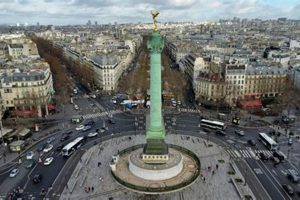
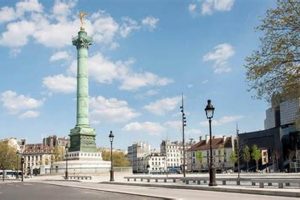
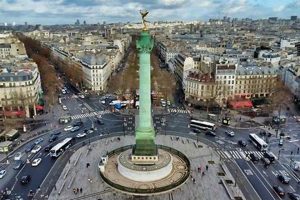
Tip 2: Historical Site Exploration: While the original fortress is no longer standing, the Place de la Bastille marks its former location. Take time to reflect on the historical significance of this site and visit the Colonne de Juillet, which commemorates the July Revolution of 1830. Research nearby historical markers to gain a deeper understanding of the area’s past.
Tip 3: Culinary Immersion: The area boasts a diverse culinary landscape. Explore the numerous bistros, cafes, and restaurants offering traditional French cuisine and international flavors. Consider visiting the March Bastille, a bustling open-air market, for fresh produce and local specialties.
Tip 4: Nightlife Considerations: The district is renowned for its vibrant nightlife. Be mindful of surroundings, especially during late hours. Research venue options beforehand, and prioritize establishments with positive reviews and demonstrable safety measures.
Tip 5: Accommodation Selection: Numerous hotels and lodging options are available within varying price ranges. Consider proximity to transportation hubs and points of interest when making accommodation choices. Verify safety and security protocols of selected establishments.
Tip 6: Language Preparedness: While many individuals in tourist areas speak English, a basic understanding of French phrases can enhance interactions with locals and demonstrate respect for the culture. Consider utilizing translation apps or language learning resources before and during the visit.
Tip 7: Budget Awareness: Paris can be an expensive city. Establish a budget and track expenditures. Take advantage of free activities, such as walking tours and exploring parks, to minimize costs. Compare prices at different establishments before making purchases.
By adhering to these recommendations, visitors can ensure a more informed, safe, and enriching experience within this dynamic Parisian locale.
The subsequent sections will further elaborate on specific attractions and hidden gems within the described locality.
1. Historical Revolutionary Symbolism

The area serves as a potent symbol of revolutionary ideals, indelibly linked to the events that shaped modern France. The former prison fortress, though no longer standing, remains a cornerstone in the collective memory, representing resistance against oppression and the triumph of popular sovereignty. This symbolism permeates the area’s identity, influencing its cultural landscape and historical narrative.
- The Storming of the Bastille (July 14, 1789)
The assault on the fortress by Parisian revolutionaries marked a pivotal moment in the French Revolution, signifying a direct challenge to royal authority. This event, etched in history, solidified the site as a symbol of rebellion and the fight for liberty. The date, July 14th, is now celebrated as Bastille Day, a national holiday commemorating the revolution.
- Place de la Bastille: A Site of Commemoration and Protest
The plaza that replaced the prison has become a central location for demonstrations, celebrations, and political gatherings. It serves as a physical space where citizens exercise their rights to assembly and express their views, continuing the tradition of resistance and political engagement that originated with the revolution.
- The Colonne de Juillet (July Column)
This monument, erected in the center of the Place de la Bastille, commemorates the July Revolution of 1830, another significant uprising in French history. The column reinforces the area’s association with revolutionary movements and serves as a constant reminder of the ongoing struggle for democratic ideals.
- Influence on Cultural Identity and Narrative
The revolutionary symbolism deeply embedded within the area shapes its cultural identity and influences narratives about French history and national values. The district’s identity is intertwined with the concepts of freedom, equality, and fraternity, which are central to French national identity. These ideals resonate in the area’s art, literature, and political discourse.
The legacy of revolutionary symbolism fundamentally shapes the area’s character, transforming it from a mere geographical location into a site of historical memory and ideological significance. This symbolic weight continues to influence the area’s present-day identity, making it a compelling destination for those seeking to understand the roots of modern French society.
2. Vibrant Nightlife

The area’s nightlife has become synonymous with its identity, attracting a diverse clientele seeking entertainment after sunset. This facet contributes significantly to the area’s economic vitality and cultural dynamism.
- Diverse Establishment Types
The area hosts a wide array of nightlife establishments, including traditional bistros, modern cocktail bars, live music venues, and dance clubs. This diversity caters to varying tastes and preferences, ensuring a broad appeal across different demographics. Examples include established jazz clubs, trendy rooftop bars, and intimate wine cellars.
- Influence of Historical Context
Some establishments retain historical elements, blending the past with contemporary entertainment. These spaces often serve as venues for storytelling and cultural preservation, adding depth to the nightlife experience. Examples include historic cafes that once served as meeting places for revolutionaries and have been repurposed as bars and restaurants.
- Economic Impact and Employment
The active nightlife scene generates substantial revenue for local businesses and provides employment opportunities for residents. It contributes to the area’s overall economic health and sustains a vibrant local economy. This includes jobs in hospitality, entertainment, security, and transportation.
- Social and Cultural Hub
The area’s nightlife serves as a social and cultural hub, fostering interaction among locals and tourists. It provides a space for people to connect, share experiences, and contribute to the area’s evolving cultural landscape. This dynamic interaction creates a sense of community and reinforces the area’s identity as a vibrant social space.
The vibrant nightlife is an integral component of the area’s multifaceted character, enriching its cultural and economic vitality. It reflects the area’s ability to adapt and reinvent itself while maintaining its historical significance.
3. Eastern Paris Location

The geographical positioning of the referenced district within eastern Paris significantly influences its character, accessibility, and cultural interactions. This location is not merely a coordinate but a defining aspect that shapes its identity and sets it apart from other Parisian neighborhoods.
- Confluence of Arrondissements
The district sits at the juncture of multiple arrondissements (administrative districts), including the 4th, 11th, and 12th. This convergence fosters a diverse social and economic environment, blending the characteristics of each neighboring district. The result is a heterogeneous community reflecting varied demographics and urban landscapes.
- Historical Development and Urban Planning
Located in eastern Paris, the area underwent distinct historical development compared to central and western areas. Its urban planning reflects this divergence, with a blend of older, narrower streets and more recent developments. This historical trajectory has shaped its architectural style and urban layout.
- Proximity to Transportation Infrastructure
Its eastern location provides access to major transportation arteries, including railway stations and the Parisian Metro. This connectivity facilitates movement to and from other parts of Paris and beyond. The concentration of Metro lines converging at the primary station enhances its accessibility, making it a convenient point of transit.
- Influence on Cultural Identity
The eastern positioning exposes the district to diverse cultural influences, often distinct from those prevailing in the city’s central and western sectors. This exposure contributes to its unique cultural identity, influencing its cuisine, art scene, and community dynamics. It serves as a melting pot of different traditions and perspectives.
The eastern Paris location is not just a matter of coordinates; it is a crucial determinant of its character, shaping its urban fabric, social dynamics, and accessibility. This geographical context is essential for understanding the district’s role within the broader Parisian landscape.
4. Market and Commerce

The commercial landscape significantly shapes the identity and economic vitality of this Parisian area. The prevalence of markets and diverse commercial enterprises directly impacts the quality of life for residents and the attractiveness of the area for visitors. These activities are not merely economic transactions; they form an integral part of the district’s social fabric.
The March Bastille, a prominent open-air market, exemplifies this connection. It offers a wide array of fresh produce, local cheeses, meats, and prepared foods. This market provides residents with access to high-quality ingredients and supports local farmers and producers. The influx of shoppers contributes to the vibrancy of the neighborhood and sustains numerous ancillary businesses. Furthermore, the presence of independent boutiques, artisan shops, and restaurants enhances the commercial ecosystem, creating a diverse shopping and dining experience. These establishments contribute to the district’s distinct character and economic resilience. The concentration of these businesses fosters a competitive environment that encourages innovation and customer service, benefiting both consumers and entrepreneurs.
The integration of market and commercial activities is essential for understanding the dynamic nature of this Parisian locale. Its commercial viability directly affects the area’s desirability and its ability to maintain its unique cultural identity. The ongoing support of local businesses and the preservation of traditional markets are critical for ensuring its continued economic prosperity and social cohesion.
5. Architectural Diversity
The eastern district of Paris exhibits a notable range of architectural styles, reflecting its evolution through different historical periods and urban planning initiatives. This diversity shapes the area’s aesthetic appeal and contributes significantly to its unique character within the Parisian landscape.
- Preservation of Historic Buildings
Several structures pre-date the French Revolution, offering glimpses into the area’s architectural heritage. These buildings often feature classic Parisian details, such as wrought-iron balconies and mansard roofs. Their preservation contributes to the area’s historical ambiance and provides a tangible link to its past. Examples include renovated residential buildings with original facades that survived urban renewal projects.
- Haussmannian Influence
Portions of the district reflect the urban planning initiatives of Baron Haussmann, characterized by wide boulevards and uniform building heights. This influence contributes to a sense of order and grandeur in certain sections. Buildings constructed during this period exhibit similar architectural features, such as symmetrical facades and decorative stonework.
- Modern and Contemporary Designs
Juxtaposed with historical structures, modern and contemporary buildings introduce innovative architectural styles. These additions reflect the area’s ongoing evolution and its embrace of contemporary design trends. Examples include residential complexes and commercial buildings that incorporate glass, steel, and concrete elements.
- Adaptive Reuse Projects
Several older buildings have been repurposed for new uses, blending historical architecture with modern functionality. This adaptive reuse preserves architectural heritage while accommodating contemporary needs. Examples include former industrial buildings transformed into loft apartments or art galleries.
The coexistence of diverse architectural styles creates a visually stimulating environment, enriching the aesthetic appeal and contributing to the area’s unique identity. This architectural diversity provides a tangible representation of the district’s evolution and its ability to integrate the past with the present.
Frequently Asked Questions
This section addresses common inquiries regarding the Bastille area, providing clarity on key aspects of its history, culture, and practical considerations for visitors.
Question 1: What is the historical significance of the Place de la Bastille?
The Place de la Bastille marks the location of the former Bastille prison, which was stormed on July 14, 1789, a pivotal event in the French Revolution. While the prison no longer exists, the square remains a symbolic site of liberty and revolution in French history.
Question 2: How accessible is the Bastille area via public transportation?
The area is highly accessible via the Parisian Metro system. Lines 1, 5, and 8 converge at the Bastille station, providing connections to various parts of Paris and beyond. Several bus lines also serve the area, enhancing its overall accessibility.
Question 3: What types of accommodations are available in the Bastille neighborhood?
The neighborhood offers a range of accommodation options, from budget-friendly hotels to boutique hotels and serviced apartments. Prices vary depending on location, amenities, and time of year. It is advisable to book accommodations in advance, especially during peak tourist seasons.
Question 4: Is the Bastille area safe for tourists and residents?
The Bastille area is generally considered safe, but visitors should exercise standard precautions, particularly during late hours. It is advisable to be aware of surroundings, safeguard personal belongings, and avoid poorly lit or deserted areas. Local authorities maintain a visible presence to ensure public safety.
Question 5: What are some notable attractions in the Bastille neighborhood beyond the Place de la Bastille?
Besides the Place de la Bastille, notable attractions include the Colonne de Juillet, the March Bastille (a large open-air market), the Port de l’Arsenal (a marina), and numerous theaters, cafes, and restaurants. The area also offers proximity to the Marais district and the Canal Saint-Martin.
Question 6: What is the cost of living in the Bastille area compared to other parts of Paris?
The cost of living in the Bastille area is generally comparable to the Parisian average, although variations exist depending on specific location and lifestyle. Rental prices can be relatively high, but the area offers a range of options to suit different budgets. Food, transportation, and entertainment costs are also consistent with city-wide averages.
These responses provide foundational knowledge regarding the Bastille area. Further research is encouraged for in-depth exploration of specific interests.
The subsequent section explores nearby areas and potential day trips from the referenced district.
Conclusion
This exploration of bastille paris neighborhood has highlighted its complex identity as a confluence of historical significance, vibrant culture, and practical considerations. From its revolutionary past to its modern-day dynamism, the district presents a multifaceted character. Its accessibility, diverse amenities, and evolving urban landscape contribute to its enduring presence within the Parisian context.
Continued engagement with, and understanding of, such historically rich and culturally significant areas remains crucial for preserving their unique identities and ensuring their sustained contribution to the broader social and economic fabric. Further research and direct engagement will offer a more profound appreciation of its ongoing evolution and enduring legacy.