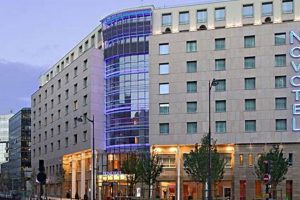
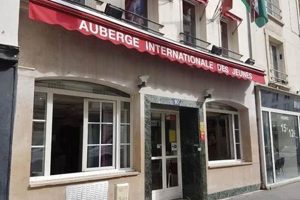
The area situated around the Place de la Bastille in the eastern part of Paris represents a significant historical and cultural district. Its name derives from the Bastille Saint-Antoine, a fortress that stood until its demolition during the French Revolution. The geographic location encompasses parts of the 4th, 11th, and 12th arrondissements.
This zone holds immense symbolic importance as the site of the storming of the Bastille in 1789, a pivotal event in French history. It offers a tangible link to the revolutionary era and continues to be a place of demonstrations and public gatherings. Beyond its historical significance, the district has evolved into a vibrant hub for nightlife, dining, and the arts. The blend of historical landmarks and modern entertainment generates considerable economic activity and tourism.
Understanding this locale provides a crucial lens for exploring the evolution of Parisian society. The following sections will delve into specific aspects, including its architectural landscape, cultural attractions, and contemporary relevance within the larger Parisian context.
Exploring the district requires considering its historical depth alongside its contemporary dynamism. The following tips aim to enhance visitor experience and understanding of the area.
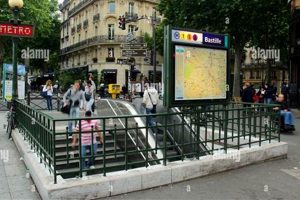
Tip 1: Utilize Public Transportation: The zone is well-served by the Paris Metro. Lines 1, 5, and 8 converge at Bastille station, providing convenient access to various points within the vicinity and connecting to other parts of the city.
Tip 2: Explore Historical Landmarks: While the Bastille fortress itself no longer stands, visit the Place de la Bastille to observe the July Column, commemorating the July Revolution of 1830. Inquire at local museums about exhibits detailing the Bastille’s history.
Tip 3: Experience the Canal Saint-Martin: A short walk from the Place de la Bastille, the Canal Saint-Martin offers a picturesque setting. Consider a leisurely stroll along the canal or a boat tour to appreciate its unique ambiance.
Tip 4: Discover Local Markets: The March Bastille, held on Thursdays and Sundays, provides an opportunity to experience local commerce. Sample regional foods and purchase fresh produce directly from vendors.
Tip 5: Attend a Performance at the Opra Bastille: The modern Opra Bastille presents a diverse program of opera and ballet performances. Secure tickets in advance, as popular shows often sell out.
Tip 6: Explore the Faubourg Saint-Antoine: This historically working-class area near the Bastille offers a glimpse into Parisian life beyond the tourist attractions. Discover independent shops and traditional workshops along the Rue du Faubourg Saint-Antoine.
Tip 7: Be Aware of Surroundings: As with any popular tourist destination, maintain vigilance against petty theft. Keep valuables secure and be mindful of activity in crowded areas, particularly at night.
These recommendations facilitate a more enriching and secure exploration. By combining historical awareness with practical guidance, visitors can fully appreciate the complex character of this Parisian district.
The subsequent sections will offer more specialized insights into specific cultural and culinary aspects of the location.
1. Revolutionary History

The district’s identity is inextricably linked to the French Revolution, primarily through the storming of the Bastille on July 14, 1789. This event, a pivotal moment in the overthrow of the monarchy, transformed the landscape and collective memory of the area. The Bastille Saint-Antoine, a fortress and prison, represented royal authority and oppression. Its capture by revolutionaries symbolized the rebellion against absolutism and the pursuit of liberty. The demolition of the Bastille shortly after the event further solidified its association with revolutionary ideals. The Place de la Bastille, now a public square, stands on the site of the former fortress, serving as a constant reminder of the revolution’s impact.
The influence extends beyond a singular historical event. The area served as a gathering point for revolutionaries, a staging ground for protests, and a site for political discourse. The legacy of the revolution permeated the social and political fabric of the district. Subsequent uprisings and demonstrations throughout French history have often converged at the Place de la Bastille, demonstrating its enduring symbolic value as a place of resistance and popular sovereignty. The Opra Bastille, constructed in the late 20th century, while a modern architectural addition, can be interpreted as a testament to the revolution’s long-term impact, reflecting a commitment to accessible culture and artistic expression.
Understanding this historical connection is essential for comprehending the area’s significance. The revolutionary past has shaped its urban development, its cultural identity, and its role as a focal point for civic engagement. While the physical remnants of the Bastille are gone, its legacy continues to resonate, influencing the district’s social and political character. Contemporary movements advocating for social justice frequently choose this specific area as their venue, highlighting the enduring relevance of its revolutionary associations.
2. Cultural Hub

The designation of the Bastille area as a “Cultural Hub” reflects the density and diversity of artistic and intellectual activity concentrated within its boundaries. This status is not merely descriptive but indicative of the area’s role in shaping and reflecting Parisian culture.
- Live Music Venues
The zone hosts numerous live music venues, ranging from intimate jazz clubs to larger concert halls. These establishments provide platforms for both emerging artists and established performers, contributing to the area’s reputation as a center for musical innovation. Le PopUp du Label and the Caf de la Danse represent examples, offering varied musical genres. The concentration of these venues directly supports local musicians and provides access to live music for a wide audience.
- Art Galleries and Workshops
A notable presence of art galleries and artisan workshops distinguishes the location. These spaces showcase contemporary art, traditional crafts, and design. The prevalence of such establishments promotes artistic expression and supports the local creative economy. Many galleries focus on emerging artists, providing valuable exposure and contributing to the ongoing evolution of Parisian art. The historical connection to craftsmanship in the nearby Faubourg Saint-Antoine further informs this aspect.
- Performance Spaces and Theaters
In addition to the Opra Bastille, smaller theaters and performance spaces contribute to the area’s artistic vibrancy. These venues often feature experimental theater, dance performances, and spoken word events, catering to diverse audiences. The presence of these spaces fosters artistic innovation and provides opportunities for emerging performers. The varied programming reflects the diverse cultural interests of the surrounding population.
- Culinary Diversity
The Bastille area’s culinary scene contributes significantly to its identity as a cultural center. The district offers a wide array of restaurants and cafes representing various global cuisines. This diversity reflects the multicultural character of the area and provides opportunities for cultural exchange through food. From traditional French bistros to ethnic eateries, the culinary landscape enhances the overall cultural experience.
The multifaceted cultural landscape near the Place de la Bastille reinforces its significance within Paris. The convergence of live music, art galleries, performance spaces, and diverse culinary offerings creates a dynamic environment that attracts artists, audiences, and tourists alike, solidifying its position as a vital Cultural Hub. This status is further enhanced by the area’s historical associations, which continue to inform its contemporary artistic and social character.
3. Architectural Mix

The architectural composition of the district is a study in contrasts, reflecting its historical evolution and subsequent urban development. The area does not adhere to a singular architectural style, but instead presents a juxtaposition of historical remnants and modern interventions.
- Haussmannian Influence
Segments of the area display characteristics consistent with Haussmannian urban planning, typified by uniform building heights, ornate facades, and the use of light-colored stone. These elements contribute to the coherent aesthetic associated with central Paris. However, the presence of Haussmannian architecture is not ubiquitous, creating notable visual distinctions within the area.
- Post-Revolutionary Structures
Following the demolition of the Bastille, the area underwent significant transformation. Buildings erected in the post-revolutionary era often exhibit a more functional and less ornate style compared to their Haussmannian counterparts. The architectural choices of this period reflect a shift in societal values and a move away from aristocratic aesthetics.
- Modern Interventions
The Opra Bastille, completed in 1989, represents a prominent example of modern architecture. Its design contrasts sharply with the surrounding historical buildings, symbolizing the district’s ongoing evolution. The opera house’s scale and design contribute to the area’s visual complexity, demonstrating the integration of contemporary architecture within a historical context.
- Adaptive Reuse
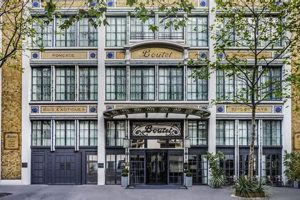
Several industrial buildings and workshops have been repurposed into residential spaces, galleries, or commercial establishments. This adaptive reuse contributes to the district’s unique architectural identity, blending elements of its industrial past with contemporary needs. The preservation and transformation of these structures offer a tangible connection to the area’s working-class history.
The architectural diversity found near the Place de la Bastille underscores its multifaceted identity. The blending of Haussmannian elements, post-revolutionary structures, modern interventions, and adaptive reuse projects creates a visually stimulating environment. This architectural mix is not merely aesthetic; it reflects the district’s historical development, its social composition, and its ongoing adaptation to contemporary urban life.
4. Vibrant Nightlife

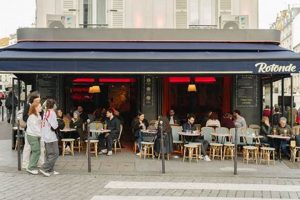
The area surrounding the Place de la Bastille has evolved into a significant hub for nightlife within Paris. This transformation reflects the district’s broader social and economic shifts, as well as its enduring appeal to both locals and tourists. The concentration of bars, clubs, and other entertainment venues contributes significantly to the area’s character and economic activity.
- Concentration of Bars and Clubs
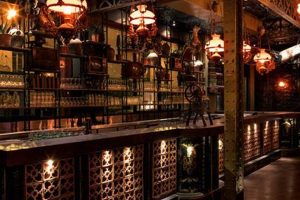
The geographical area features a high density of bars and clubs catering to diverse tastes. From traditional French bistros that remain open late to modern cocktail bars and nightclubs featuring electronic music, the variety is extensive. This concentration generates considerable foot traffic and extends the district’s activity well into the night. The prevalence of these establishments contributes to the perception of this district as an entertainment destination.
- Influence of Live Music Venues
Beyond bars and clubs, live music venues contribute significantly to the nighttime atmosphere. These venues host performances spanning multiple genres, attracting music enthusiasts and creating a vibrant cultural scene. The presence of live music enhances the area’s appeal and distinguishes it from other entertainment districts within Paris. Many of these venues have established reputations, drawing both local and international acts.
- Impact of Tourism and Local Patronage
The nightlife is sustained by a combination of tourist activity and local patronage. Tourists are drawn to the area’s reputation and accessibility, while local residents contribute to the consistent demand for nighttime entertainment. This combination ensures the continued viability of the district’s nightlife sector and supports a diverse range of businesses.
- Economic and Social Considerations
The concentration of nightlife generates considerable economic activity, supporting numerous jobs and contributing to local tax revenues. However, it also presents challenges related to noise pollution, public safety, and the potential for conflicts between residents and visitors. Balancing the economic benefits with the social considerations is an ongoing concern for local authorities.
The confluence of these factors underscores the significant role of nightlife in defining the identity of the area near the Place de la Bastille. The economic impact, combined with the social and cultural implications, necessitates careful management and planning to ensure the continued vitality and sustainability of this vibrant aspect of Parisian life.
5. Canal Saint-Martin

The Canal Saint-Martin, while not strictly within the geographic boundaries of the area immediately surrounding the Place de la Bastille, maintains a significant connection to it. The canal’s proximity and historical relationship contribute to the overall character and appeal of the larger district.
- Geographic Proximity and Accessibility
The Canal Saint-Martin is located a short distance from the Place de la Bastille, making it easily accessible by foot or public transportation. This proximity allows visitors to seamlessly transition between the historical landmarks of the Bastille and the scenic waterfront of the canal. The accessibility contributes to the canal’s integration into the broader tourist experience of the area.
- Historical Connection and Development
The construction of the Canal Saint-Martin in the early 19th century was intended, in part, to improve access to and from the city’s eastern districts, including the vicinity of the Bastille. The canal facilitated the transportation of goods and resources, contributing to the economic development of the region. Its presence influenced the urban planning and industrial growth of the surrounding areas.
- Influence on the Atmosphere and Aesthetic
The Canal Saint-Martin introduces a distinct aesthetic element into the broader context. Its tree-lined banks, pedestrian bridges, and canal-side cafes provide a tranquil contrast to the bustling streets and historical monuments of the Bastille area. This juxtaposition of urban energy and natural beauty enhances the overall appeal of the district.
- Contribution to Cultural and Recreational Activities
The canal serves as a focal point for various cultural and recreational activities. Boat tours along the canal offer a unique perspective on the city’s history and architecture. The canal-side cafes and bars provide venues for social gatherings and cultural exchange. These activities contribute to the vibrant atmosphere that characterizes the entire district.
In summary, the Canal Saint-Martin is inextricably linked. Its proximity, historical relationship, aesthetic influence, and contribution to cultural activities enhance the overall appeal and significance of the district, demonstrating the interconnectedness of urban elements in shaping the character of a specific locale.
6. Opra Bastille

The Opra Bastille is a prominent architectural and cultural landmark directly influencing the character and perception of the district. Its construction in the late 1980s, completed in 1989, represents a deliberate effort to modernize and revitalize the area. The opera house’s presence significantly altered the urban landscape, transforming a historically working-class neighborhood into a cultural focal point. The Opra Bastille serves as a catalyst for economic activity, attracting visitors and stimulating the growth of associated businesses such as restaurants, hotels, and retail establishments. An understanding of the opera house’s role is crucial for comprehending the contemporary identity of the area.
The architectural design of the Opra Bastille, characterized by its modern aesthetic and large scale, stands in stark contrast to the surrounding historical buildings. This juxtaposition creates a visual tension that defines the area’s unique architectural mix. The opera house’s location on the Place de la Bastille, a site of historical significance, further amplifies its symbolic importance. The Opra Bastille offers accessible performances and a commitment to diverse programming, it enhances the district’s cultural vibrancy. This accessible programming broadens the audience for opera and ballet, fostering a more inclusive cultural environment.
In summary, the Opra Bastille is an integral component in the district. Its architectural presence, cultural contributions, and economic impact have reshaped the area into a dynamic and multifaceted urban environment. Recognizing the Opra Bastille’s pivotal role provides a deeper understanding of the locale’s past, present, and future trajectory. The building represents a specific instance of urban renewal influencing the overall fabric of a geographically and historically distinct area.
Frequently Asked Questions
The following questions address common inquiries and clarify essential aspects of the Bastille Quarter in Paris. These responses aim to provide accurate and informative insights into this historically and culturally significant area.
Question 1: What historical event is most closely associated with the Bastille Quarter?
The storming of the Bastille on July 14, 1789, during the French Revolution remains the defining historical event. This event symbolized the overthrow of royal authority and the rise of popular sovereignty.
Question 2: Is the Bastille prison still standing in the Bastille Quarter?
No, the Bastille prison was demolished shortly after the storming in 1789. The Place de la Bastille now occupies the site, marked by the July Column.
Question 3: What types of cultural attractions can be found in the Bastille Quarter?
The district offers a diverse range of cultural attractions, including the Opra Bastille, numerous live music venues, art galleries, and theaters. The area also hosts a variety of restaurants and cafes representing diverse culinary traditions.
Question 4: How accessible is the Bastille Quarter via public transportation?
The zone is well-served by the Paris Metro, with lines 1, 5, and 8 converging at the Bastille station. This provides convenient access to various points within the district and connections to other parts of the city.
Question 5: What is the Canal Saint-Martin’s relationship to the Bastille Quarter?
The Canal Saint-Martin is located a short distance from the Place de la Bastille, contributing to the area’s overall character and appeal. Its presence offers a tranquil contrast to the urban bustle and enhances the district’s aesthetic diversity.
Question 6: What are some potential safety concerns for visitors to the Bastille Quarter?
As with any popular tourist destination, visitors should remain vigilant against petty theft, particularly in crowded areas. Awareness of surroundings and securing valuables are advisable.
These answers address fundamental questions regarding its history, attractions, accessibility, and safety. A thorough understanding of these points contributes to a more informed and enriching experience when visiting or studying the area.
The following section will provide resources for further exploration.
Conclusion
The preceding analysis has explored the multifaceted character of the area surrounding the Place de la Bastille. From its seminal role in the French Revolution to its contemporary identity as a cultural and entertainment hub, this Parisian district presents a complex interplay of historical significance and modern dynamism. The architectural diversity, the vibrant nightlife, and the presence of landmarks such as the Opra Bastille contribute to the area’s unique identity.
Further research and engagement with the local context are encouraged to fully appreciate the enduring legacy of the “bastille quarter paris”. Its continued evolution warrants ongoing observation and analysis, as it remains a vital component of the Parisian urban landscape and a potent symbol of French history and culture.