The Bastille Market in Paris is a prominent open-air marketplace located near the Place de la Bastille. This market offers a diverse array of fresh produce, regional specialties, cheeses, meats, seafood, and prepared foods, alongside clothing, household goods, and artisanal products. It operates primarily on Thursdays and Sundays, drawing both locals and tourists.
The significance of this Parisian market lies in its contribution to the city’s culinary culture and local economy. It provides an accessible venue for farmers and producers to directly sell their goods, fostering a connection between consumers and the origin of their food. Furthermore, its bustling atmosphere and wide selection enhance the overall Parisian experience, offering a glimpse into the daily lives and traditions of the city’s residents. The historical location near the Bastille adds another layer of interest, linking the market to a significant landmark.
Understanding the characteristics and role of this market provides valuable context for examining topics such as the structure of Parisian food systems, the dynamics of local commerce, and the importance of public spaces in urban environments. The subsequent sections will delve into these aspects, examining the market’s impact on each.
Tips for Visiting the Market Near Bastille
Optimal enjoyment of a visit to the market near Bastille necessitates strategic planning and mindful navigation. Consider the following recommendations to enhance the experience:
Tip 1: Arrive Early: The market experiences significant crowding, particularly on Sundays. Arriving shortly after opening hours allows for a more relaxed browsing experience and increased access to vendor offerings before popular items sell out. For example, arrive before 9:00 AM to secure the freshest seafood.
Tip 2: Bring Cash: While some vendors may accept credit or debit cards, many operate on a cash-only basis. Ensure sufficient cash on hand to facilitate transactions and avoid the inconvenience of searching for an ATM. Small denominations are particularly useful for smaller purchases.
Tip 3: Practice Basic French: While many vendors speak some English, utilizing basic French phrases such as “Bonjour,” “Merci,” and “Combien a cote?” demonstrates respect and can enhance interactions. A phrasebook or translation app can prove valuable.
Tip 4: Be Prepared to Haggle (Respectfully): While not universally expected, a polite attempt to negotiate prices, particularly for larger purchases or near the end of the market day, may be successful. A respectful approach is crucial; lowball offers are inappropriate.
Tip 5: Sample Before Buying: Many vendors offer samples of their products, particularly cheeses, meats, and prepared foods. Take advantage of these opportunities to ensure satisfaction before committing to a purchase. Sample responsibly and avoid excessive consumption.
Tip 6: Be Mindful of Pickpockets: As with any crowded public space, the market near Bastille is susceptible to petty theft. Keep valuables secure and maintain awareness of surroundings to minimize risk. A cross-body bag is recommended.
Tip 7: Explore the Entire Market: The market comprises multiple sections offering diverse goods. Dedicate sufficient time to explore each section to discover hidden gems and unique products. Do not limit exploration to the main thoroughfares.
By implementing these tips, visitors can maximize their experience at the vibrant market near Bastille, gaining a deeper appreciation for Parisian culture and culinary traditions.
The subsequent sections will analyze the economic and social impacts of marketplaces on urban centers, utilizing the market near Bastille as a case study.
1. Authentic Parisian Marketplace
The concept of an “authentic Parisian marketplace” is intrinsically linked to the identity and function of the March de Bastille Paris. The market embodies this authenticity through its direct connection to local producers, offering goods that reflect the region’s agricultural and artisanal traditions. This is evidenced by the prevalence of seasonal produce sourced directly from le-de-France farms, as well as handcrafted cheeses and charcuterie reflecting traditional French culinary practices. The market’s layout, unadorned stalls, and the active engagement of vendors further contribute to its genuine character, establishing it as a locus of Parisian daily life rather than a staged tourist attraction. The absence of standardized branding and the emphasis on direct producer-consumer interactions distinguish it from more commercialized retail environments.
The importance of this “authentic Parisian marketplace” characteristic as a component of the March de Bastille Paris lies in its ability to foster a sense of community and preserve cultural heritage. It provides a platform for small-scale producers to thrive, ensuring the continuity of traditional agricultural practices. The market also serves as a social gathering place, where Parisians can interact with producers, share knowledge about food, and maintain a connection to their regional culinary roots. For example, the presence of specific stalls dedicated to regional specialties, like Corsican charcuterie or Breton crpes, highlights the preservation and promotion of diverse French culinary traditions within the urban context.
Understanding the March de Bastille Paris as an authentic marketplace carries practical significance for both consumers and policymakers. Consumers can make informed purchasing decisions, supporting local producers and promoting sustainable agriculture. Policymakers can leverage this understanding to implement strategies that protect traditional marketplaces, promote local food systems, and enhance the overall quality of life in urban areas. The preservation of such spaces is crucial for maintaining cultural diversity and resisting the homogenization of urban landscapes. Therefore, the market’s authenticity is not just a descriptor but a vital element for its long-term viability and its contribution to Parisian society.
2. Diverse culinary offerings

The March de Bastille in Paris is characterized by a diverse array of culinary offerings, a factor directly influencing its popularity and function as a vital component of the city’s food system. This diversity stems from the presence of numerous vendors specializing in various food categories, ranging from fresh produce and seafood to prepared dishes and regional specialties. The availability of such a wide selection allows consumers to fulfill diverse culinary needs within a single location. For instance, one can acquire ingredients for a traditional French meal alongside international delicacies, such as North African pastries or Asian-inspired dishes. This comprehensive selection enhances the market’s appeal and utility for both residents and visitors.
The importance of this diversity as a component of the March de Bastille Paris extends beyond simple consumer convenience. It fosters a competitive environment that encourages vendors to offer high-quality products at competitive prices, thereby benefiting consumers. The presence of multiple vendors selling similar items, such as cheese or olives, compels them to differentiate themselves through product quality, variety, or pricing strategies. This competitive dynamic contributes to the overall vibrancy and efficiency of the market. Further, the diverse culinary offerings support local producers and artisans by providing them with a platform to showcase their products directly to consumers. This direct connection strengthens the local economy and preserves traditional food production methods. A practical application of understanding this relationship involves the development of policies aimed at preserving the market’s diversity. These may include initiatives to support small-scale producers, promote sustainable agriculture, and regulate vendor selection to maintain a balanced representation of different culinary traditions.
In summary, the diverse culinary offerings of the March de Bastille are essential to its identity and function. This diversity fosters competition, supports local producers, and provides consumers with access to a wide range of high-quality products. Maintaining and promoting this diversity presents ongoing challenges, requiring proactive policies and a commitment to supporting the market’s role as a vital component of the Parisian food landscape. This aspect links to the broader theme of urban food systems, highlighting the importance of preserving traditional marketplaces as a means of promoting sustainable consumption and supporting local economies.
3. Thriving local commerce

The Marche de Bastille in Paris serves as a significant engine for thriving local commerce. The market’s structure facilitates direct transactions between producers and consumers, bypassing traditional retail channels and fostering economic activity within the local community. This direct sales model enables farmers, artisans, and small-scale food vendors to capture a larger share of the retail price, thereby increasing their profitability and supporting their livelihoods. The market’s consistent foot traffic, particularly on Thursdays and Sundays, ensures a reliable customer base for these local businesses. As an example, consider a small cheesemaker based in the le-de-France region who relies on the market to sell a substantial portion of their weekly production, thereby sustaining their business and preserving traditional cheese-making practices. The importance of this thriving local commerce within the context of the Marche de Bastille lies in its contribution to the overall economic health and social fabric of the Parisian community. The market functions as a vital platform for supporting local entrepreneurship, preserving traditional skills, and promoting sustainable food systems.
Further analysis reveals the practical significance of understanding this connection. Local authorities and community organizations can leverage this understanding to implement policies and programs that further support the market’s role in fostering local commerce. These initiatives may include providing financial assistance to small-scale vendors, promoting the market through targeted marketing campaigns, and ensuring the market’s infrastructure is maintained and improved. Additionally, understanding the market’s economic impact can inform decisions related to urban planning and development, ensuring that the market’s location and accessibility are preserved and enhanced. For instance, maintaining convenient public transportation access to the market and providing adequate parking facilities can encourage greater patronage and further stimulate local commerce. The market’s role in attracting tourism also contributes to the broader economy, generating revenue for local businesses and supporting employment opportunities in the hospitality sector.
In conclusion, the Marche de Bastille is integrally linked to thriving local commerce in Paris. Its direct sales model empowers local producers, its consistent foot traffic ensures a reliable customer base, and its economic impact extends beyond the immediate market area. Recognizing and supporting this connection is crucial for promoting sustainable economic development, preserving traditional skills, and enhancing the quality of life for Parisian residents. However, challenges such as rising operating costs, increasing competition from large retailers, and evolving consumer preferences require ongoing attention and proactive measures to ensure the market’s continued success. The future of the Marche de Bastille, and its contribution to thriving local commerce, depends on a sustained commitment from both policymakers and the community to support its vital role in the Parisian economy.
4. Historical Bastille Location

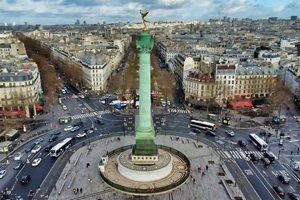
The historical significance of the Bastille location is inextricably linked to the character and identity of the Marche de Bastille Paris. The market’s proximity to the former site of the Bastille prison, a symbol of pre-revolutionary oppression, lends it a unique historical weight and context. This location is not merely geographical; it represents a tangible connection to the events of the French Revolution and the subsequent establishment of democratic ideals. The market, therefore, operates within a space imbued with profound historical meaning, affecting its atmosphere and symbolic resonance. The juxtaposition of a vibrant, contemporary marketplace against the backdrop of such a historically charged location creates a unique synergy, drawing both locals and tourists seeking an authentic Parisian experience with a historical dimension.
The importance of this historical location as a component of the Marche de Bastille Paris lies in its contribution to the market’s cultural significance and economic viability. The location attracts a diverse range of visitors, including history enthusiasts, tourists, and locals, thereby supporting the market’s economic activities. Moreover, the historical narrative associated with the Bastille adds a layer of depth to the market experience, enhancing its appeal and distinguishing it from other marketplaces in the city. A practical example of this connection can be observed in the presence of historical markers and interpretive displays in the vicinity of the market, which serve to educate visitors about the area’s historical significance. Further, the Bastille Day celebrations, held annually on July 14th, often extend into the market area, transforming the space into a focal point of national commemoration and celebration. This integration of historical context into the market’s daily operations enhances its cultural value and reinforces its connection to the broader Parisian identity.
In conclusion, the historical location of the Marche de Bastille is more than just a geographical descriptor; it is a defining element of its identity and cultural significance. It contributes to the market’s economic viability by attracting a diverse range of visitors and enhancing its appeal. However, preserving the historical integrity of the area in the face of increasing commercial pressures presents an ongoing challenge. Policymakers and community stakeholders must work together to ensure that the market’s historical context is preserved and celebrated, thereby maintaining its unique appeal and ensuring its long-term sustainability as a vital component of the Parisian landscape. The Marche de Bastille serves as a reminder of the interconnectedness between history, commerce, and community, highlighting the importance of preserving historical sites within urban environments.
5. Vibrant Sunday Atmosphere
The Marche de Bastille Paris is particularly renowned for its vibrant Sunday atmosphere, a characteristic that significantly contributes to its appeal and sets it apart from other markets in the city. This atmosphere is a complex interplay of various elements that together create a unique sensory and social experience.
- Increased Foot Traffic
The increased foot traffic on Sundays is a primary driver of the market’s vibrant atmosphere. The combination of locals running errands, tourists seeking an authentic Parisian experience, and families enjoying a weekend outing results in a bustling environment. This density of people generates a palpable sense of energy and excitement, transforming the market into a lively social hub. The sheer volume of people engaging in commerce and socializing contributes significantly to the overall feeling of vitality.
- Enhanced Social Interaction
Sundays at the Marche de Bastille are marked by enhanced social interaction among vendors and customers. People tend to linger longer, engage in more in-depth conversations about the products, and share culinary tips. This social dynamic extends beyond mere transactions; it fosters a sense of community and shared experience. For example, vendors often offer samples and engage in friendly banter, creating a welcoming and convivial atmosphere that encourages repeat visits and word-of-mouth recommendations.
- Live Music and Performances
The presence of live music and street performers on Sundays further amplifies the market’s vibrant atmosphere. Buskers, musicians, and other artists often set up near the market, providing entertainment and contributing to the festive mood. The sounds of music intermingle with the market’s general cacophony, creating a dynamic and stimulating auditory experience. These impromptu performances transform the market into a temporary stage, adding an element of spontaneity and artistic expression.
- Extended Operating Hours
While the Marche de Bastille operates on both Thursdays and Sundays, the extended operating hours on Sundays contribute to the heightened sense of activity. This additional time allows visitors to explore the market at a more leisurely pace, sample more products, and engage in more extended social interactions. The longer hours also provide vendors with an extended opportunity to sell their goods, maximizing their economic potential and contributing to the market’s overall success.
Collectively, these facetsincreased foot traffic, enhanced social interaction, live music, and extended operating hoursconverge to create the distinct and vibrant Sunday atmosphere that defines the Marche de Bastille. This atmosphere is not merely a byproduct of commercial activity; it is an integral element of the market’s identity, contributing to its cultural significance and its enduring appeal as a must-visit destination for Parisians and tourists alike.
6. Seasonal fresh produce

The availability of seasonal fresh produce is a defining characteristic of the Marche de Bastille in Paris, directly impacting its character and function. The market’s commitment to offering fruits, vegetables, and other agricultural products that are in season reflects a broader emphasis on local sourcing and sustainability. This seasonality dictates the market’s offerings throughout the year, influencing the types of produce available and the overall shopping experience. For example, during the spring months, asparagus, strawberries, and new potatoes are prominently featured, while autumn brings a bounty of apples, pumpkins, and root vegetables. This cyclical pattern ensures a consistent supply of fresh, high-quality produce, while also promoting a connection between consumers and the rhythms of nature. The availability of seasonal produce is influenced by factors such as weather patterns, agricultural practices, and the proximity of local farms.
The presence of seasonal fresh produce significantly enhances the market’s appeal to consumers who prioritize freshness, quality, and sustainability. It also supports local farmers and producers, providing them with a direct outlet for their goods. This direct connection between producers and consumers fosters a sense of community and transparency, contributing to the overall vibrancy of the market. However, challenges may arise from fluctuating weather conditions or unforeseen circumstances that impact crop yields, potentially leading to price increases or limited availability of certain items. Understanding the complexities of seasonal production and distribution is crucial for both vendors and consumers to navigate the market effectively. Local authorities can also play a role in supporting seasonal agriculture through initiatives such as promoting local farmers’ markets and providing resources for sustainable farming practices.
In summary, the availability of seasonal fresh produce is an integral element of the Marche de Bastille, shaping its identity, influencing consumer behavior, and supporting local agricultural economies. While challenges may exist, the commitment to seasonal sourcing reflects a broader trend towards sustainable consumption and a desire to connect with the natural world. The market’s role as a platform for seasonal produce contributes to its overall significance as a vital component of the Parisian food system. Continued support for local farmers and sustainable practices is essential to ensuring the long-term viability of this important aspect of the market.
Frequently Asked Questions
This section addresses common inquiries regarding the March de Bastille in Paris, providing factual information to clarify visitor understanding.
Question 1: What are the operating days and hours of the March de Bastille?
The March de Bastille operates twice weekly: on Thursdays and Sundays. The market is typically open from approximately 7:00 AM to 2:30 PM on Thursdays, and from 7:00 AM to 3:00 PM on Sundays. However, these times may vary slightly depending on the season and weather conditions. Visitors should verify the hours before their visit to avoid disappointment.
Question 2: What types of goods are typically available at the market?
The March de Bastille offers a diverse range of products, including fresh produce (fruits, vegetables), meats, cheeses, seafood, baked goods, flowers, clothing, and household items. Many vendors specialize in regional products and prepared foods, providing a comprehensive shopping experience. However, the specific offerings may vary depending on the season.
Question 3: Is it necessary to speak French to shop at the market?
While many vendors speak some English, knowledge of basic French phrases is beneficial. Attempting to communicate in French, even with simple greetings and requests, is generally appreciated and can enhance the shopping experience. A phrasebook or translation app can be a useful tool for visitors who are not fluent in French.
Question 4: Are credit cards accepted at the March de Bastille?
While some vendors accept credit cards, particularly those selling larger items or catering to tourists, many operate on a cash-only basis. It is advisable to carry sufficient cash to accommodate purchases from vendors who do not accept credit cards. ATMs are available in the vicinity of the market, but lines may form during peak hours.
Question 5: Is the market accessible by public transportation?
The March de Bastille is easily accessible by public transportation. The Bastille metro station, served by lines 1, 5, and 8, is located directly adjacent to the market. Several bus lines also serve the area. Public transportation is generally the most convenient option for reaching the market, as parking can be limited and expensive.
Question 6: Is the March de Bastille accessible to individuals with disabilities?
The March de Bastille is generally accessible to individuals with disabilities, as it is located on a flat, paved surface. However, the market can become crowded, particularly on Sundays, which may pose challenges for individuals using wheelchairs or other mobility devices. Navigating the market during peak hours may require assistance.
These FAQs provide essential information for planning a visit. Careful consideration of operating hours, payment methods, and transportation options will contribute to a more enjoyable experience.
The subsequent section will explore the economic impact of markets like the March de Bastille on Parisian society.
Conclusion
This exploration of Marche de Bastille Paris has illuminated its multifaceted role within the Parisian landscape. From its embodiment of an authentic marketplace to its facilitation of thriving local commerce and its grounding in a historically significant location, the market serves as a vital intersection of economic activity, cultural preservation, and community engagement. The consistent availability of seasonal produce and the market’s vibrant Sunday atmosphere further contribute to its distinct identity and appeal.
The Marche de Bastille Paris warrants continued recognition and support as a crucial element of Parisian identity. Its preservation necessitates ongoing efforts to balance economic viability with the preservation of its historical character and commitment to local producers. Sustained attention to its unique attributes will ensure its continued contribution to the city’s social fabric and economic well-being, offering a tangible link to Parisian tradition for future generations.