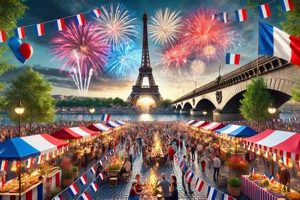
This annual Milwaukee festival commemorates French culture and the storming of the Bastille. The event offers a taste of France in the Midwest through live music, a 5K run, French cuisine, and marketplace vendors. It provides an immersive experience that draws substantial crowds each year.
The celebration fosters community engagement and boosts the local economy. Its historical context provides an educational opportunity, allowing attendees to learn about French history and traditions in an accessible and entertaining format. It contributes significantly to Milwaukee’s cultural landscape, offering a unique and anticipated summer event.
The following sections will delve into the specific events, culinary offerings, and cultural performances that define this significant Milwaukee festival.
Attending the annual Milwaukee French Festival requires strategic planning to maximize the experience. Consider the following guidance for a seamless and enjoyable visit.
Tip 1: Transportation and Parking: Given the festival’s downtown location, public transportation or ride-sharing services are recommended. Parking near Cathedral Square Park is limited, and street closures are frequent. Arrive early to secure a parking spot, or utilize designated parking structures and walk to the festival grounds.
Tip 2: Schedule of Events: Review the official schedule of events prior to arrival. Note the times and locations of specific performances, culinary demonstrations, and the Storm the Bastille 5K run to effectively plan your day.
Tip 3: Culinary Exploration: Sample a variety of French-inspired cuisine from various vendors. Be prepared for potential lines at popular food stalls, and consider trying less-familiar dishes to expand your culinary horizons. Cash is often preferred at smaller vendor stands.
Tip 4: Weather Preparedness: Milwaukee summers can be unpredictable. Monitor the weather forecast and dress accordingly. Bring sunscreen, a hat, and a water bottle to stay hydrated, especially during peak daylight hours. Consider bringing an umbrella or rain jacket in case of inclement weather.
Tip 5: Cultural Immersion: Engage with the festival’s cultural aspects. Attend a French language lesson, observe the live music performances, and explore the marketplace vendors offering French-themed merchandise. Understand the history behind Bastille Day to appreciate the significance of the celebration.
Tip 6: Financial Planning: Set a budget for food, beverages, and souvenirs. ATM access may be limited within the festival grounds, so it’s advisable to bring an adequate amount of cash. Consider pre-purchasing tickets for specific events or experiences, if available.
The successful navigation of this event hinges on planning and awareness. By following these guidelines, attendees can optimize their experience and fully immerse themselves in the cultural richness of this annual celebration.
The following sections will provide information on specific aspects of the festival, including its historical significance and impact on the local community.
1. Celebration

Celebration is central to the essence of Milwaukee Bastille Days. It serves as the foundational element, shaping the festival’s activities and atmosphere. It acknowledges the historical significance of the Storming of the Bastille and fosters a sense of community among attendees. The celebratory aspect encourages participation and engagement with French culture.
- Commemoration of Historical Events
The festival directly commemorates the Storming of the Bastille, a pivotal event in French history. This commemoration involves reenactments, historical displays, and educational opportunities designed to inform attendees about the historical context and significance of Bastille Day. The celebration transforms a historical event into a participatory and engaging community experience.
- Cultural Expression
The celebration manifests through various forms of cultural expression. Live music performances featuring French-inspired music, dance performances showcasing traditional French dances, and artistic displays representing French art contribute to the immersive cultural experience. These expressions offer attendees a diverse range of avenues to engage with and appreciate French culture.
- Community Gathering
The festival fosters a sense of community by providing a space for people to gather and celebrate together. Attendees share common experiences, such as watching performances, sampling French cuisine, and participating in festival activities. This shared experience strengthens community bonds and creates a sense of collective identity centered around the appreciation of French culture.
- Culinary Festivities
Food plays a significant role in the celebration. The festival features various vendors offering traditional French cuisine and related foods. Attendees can enjoy delicacies such as crepes, pastries, and other French specialties. The culinary aspect of the celebration provides a tangible and accessible way for people to experience French culture and traditions.
These interconnected facets highlight how celebration is integral to the Milwaukee festival. It moves beyond mere entertainment, integrating historical context, cultural expression, community engagement, and culinary experiences to create a comprehensive and meaningful event. The blend of these elements solidifies its position as a significant annual celebration within the Milwaukee community.
2. French culture
The festival is deeply rooted in celebrating and showcasing facets of French culture. The presence of French culture is not merely thematic; it is a core, definitional element that dictates the event’s structure, offerings, and overall atmosphere. The event offers a tangible representation of French traditions, customs, and artistic expression within the Milwaukee community.
Various aspects contribute to the infusion of French culture. Culinary offerings present traditional French cuisine, providing attendees with an opportunity to sample authentic flavors. Musical performances showcase French music genres, from traditional folk tunes to contemporary interpretations. Artisans and vendors offer French-inspired crafts, goods, and artwork, enriching the cultural landscape of the festival. The inclusion of historical reenactments and educational displays deepens understanding of Frances heritage and significant events, such as the Storming of the Bastille.
Understanding the role of French culture within this Milwaukee festival highlights the importance of cultural exchange and community enrichment. It provides a unique opportunity for individuals to engage with a different culture, fostering a deeper appreciation for global diversity. Furthermore, the celebration stimulates the local economy through tourism and supports local businesses that contribute to the festival’s success. The festival serves as a meaningful cultural platform within the Midwestern United States.
3. Bastille history

The history of the Bastille is intrinsically linked to the existence and character of this Milwaukee festival. The Storming of the Bastille, a pivotal event in the French Revolution on July 14, 1789, serves as the direct inspiration and thematic core for the event. This historical occurrence, representing the overthrow of royal authority and the pursuit of liberty, forms the narrative foundation upon which the festival is built. Without the historical context of the Bastille, the Milwaukee event would lack its defining purpose and cultural significance.
The commemoration of the Bastilles history manifests within the festival through various channels. Historical reenactments, educational exhibits, and themed performances directly reference the events of 1789. The festival organizers utilize the historical narrative to create an immersive environment that educates attendees about the French Revolution and its enduring impact. Examples include theatrical performances depicting the storming of the prison and historical displays outlining the causes and consequences of the revolution. The “Storm the Bastille” 5K run, a prominent feature of the festival, symbolically recreates the historical event, allowing participants to engage with the history in an active and physical manner.
Understanding the deep connection between Bastille history and the Milwaukee festival is crucial for appreciating its multifaceted appeal. It provides context for the various cultural and celebratory elements, linking them to a broader historical narrative. Acknowledging this connection enables attendees to engage with the event on a deeper level, recognizing its historical and cultural significance beyond mere entertainment. The integration of historical accuracy with festive celebration presents a unique opportunity to promote cultural understanding and historical awareness within the Milwaukee community.
4. Community impact

The annual Milwaukee French Festival possesses a significant effect on the local community. The event’s impact extends beyond mere entertainment, influencing the local economy, fostering cultural understanding, and creating civic engagement opportunities. These multifaceted impacts contribute substantially to the overall well-being and vibrancy of the Milwaukee metropolitan area.
- Economic Stimulus
The festival generates substantial economic activity for local businesses. Hotels, restaurants, and retail establishments in the surrounding area experience increased revenue due to the influx of visitors. The festival creates temporary employment opportunities for residents, providing income for individuals and families. Furthermore, vendor fees and local sponsorships contribute to the financial resources of community organizations.
- Cultural Enrichment
The event enriches the cultural landscape of Milwaukee by providing a platform for French culture and artistic expression. Local residents gain exposure to French music, cuisine, and traditions, fostering a greater appreciation for cultural diversity. The festival encourages cross-cultural interaction and understanding, promoting inclusivity and tolerance within the community.
- Civic Engagement
The festival provides opportunities for community members to volunteer and participate in civic activities. Local organizations often partner with the festival to raise awareness for their causes and recruit volunteers. The event fosters a sense of community pride and encourages residents to actively engage in their local environment.
- Tourism Promotion
The festival attracts visitors from outside the Milwaukee area, promoting tourism and enhancing the city’s reputation as a cultural destination. Increased tourism revenue benefits local businesses and supports the city’s economy. The festival serves as a positive advertisement for Milwaukee, attracting future visitors and potential residents.
The combined economic, cultural, and civic benefits underscore the importance of this event to the Milwaukee community. Its continued success contributes significantly to the city’s economic prosperity, cultural vibrancy, and overall quality of life. The festival serves as a positive force, fostering community engagement and promoting Milwaukee as a dynamic and culturally rich urban center.
5. Culinary offerings

Culinary offerings form a critical component of Milwaukee Bastille Days, directly shaping the festival’s identity and appeal. The presence of authentic French cuisine serves as a primary draw for attendees, fostering an immersive cultural experience. The variety and quality of available food significantly contribute to the overall success and perceived value of the event. Without the focus on traditional French dishes, the festival would lose a significant element of its cultural authenticity and fail to attract a large and diverse audience.
The relationship between culinary offerings and festival success is evident in attendee behavior and vendor participation. The popularity of specific food items, such as crepes, macarons, and French-style pastries, demonstrates the demand for authentic French cuisine. Vendors specializing in these dishes frequently experience long lines and high sales volumes. This underscores the importance of curating a diverse and representative selection of French culinary experiences. Furthermore, the inclusion of cooking demonstrations and food-related competitions enhances attendee engagement and educational value, contributing to the event’s appeal.
Understanding the significance of culinary offerings within Milwaukee Bastille Days provides practical benefits for organizers and attendees alike. Organizers can leverage this knowledge to attract higher-quality vendors, optimize food vendor placement for maximum visibility, and tailor the festival’s marketing efforts to highlight the culinary attractions. Attendees can use this understanding to prioritize their visit, planning their itinerary around specific culinary experiences and maximizing their immersion in French culture. The strategic integration of culinary elements ensures a more enriching and authentic festival experience for all participants.
6. Entertainment

The Milwaukee Bastille Days festival relies significantly on entertainment to draw crowds and create a vibrant atmosphere. It provides a core component that encourages participation, fosters a sense of community, and enriches the overall cultural experience. The absence of diverse entertainment options would considerably diminish the festival’s appeal and impact on attendees. Entertainment choices contribute directly to the festival’s success by increasing engagement and promoting a positive and memorable experience.
Examples of entertainment contributing to the festival’s appeal include live music performances featuring French-inspired genres, theatrical reenactments of historical events like the Storming of the Bastille, and interactive activities such as French language lessons and dance workshops. These various activities cater to a broad range of interests and age groups, ensuring that the festival offers something engaging for every attendee. For example, a well-attended musical performance can draw a large crowd, boosting vendor sales and increasing foot traffic throughout the festival grounds. The inclusion of street performers and costumed characters further enhances the festive atmosphere, creating photo opportunities and spontaneous interactions.
Understanding the integral role of entertainment in this annual event provides practical benefits for organizers and attendees. Organizers can strategically curate the entertainment lineup to attract a diverse audience, maximize engagement, and optimize the festival’s flow and layout. Attendees can leverage this knowledge to plan their visit effectively, prioritizing performances and activities that align with their interests. The judicious selection and execution of entertainment are critical to ensuring the festival’s continued popularity and success within the Milwaukee community. The balance of historical relevance, cultural immersion, and engaging activities defines the event’s essence.
Frequently Asked Questions
The following addresses common inquiries regarding the annual Milwaukee French Festival, providing clarity on its key aspects and operational details.
Question 1: What are the dates and hours of operation for mke bastille days?
The festival typically occurs mid-July, coinciding with the anniversary of the Storming of the Bastille. Specific dates and hours vary annually and are published on the official festival website well in advance of the event.
Question 2: Is there an admission fee for mke bastille days?
General admission to the festival grounds is typically free. However, certain activities, such as the Storm the Bastille 5K run, may require registration fees. Food and beverage purchases are the responsibility of the attendee.
Question 3: Where is mke bastille days located?
The festival is primarily located in Cathedral Square Park in downtown Milwaukee. Specific event locations within the park are detailed on the festival map, available both online and at information booths during the event.
Question 4: What types of activities and entertainment are offered at mke bastille days?
The festival features a diverse range of activities, including live music performances, French cuisine vendors, historical reenactments, a marketplace, and the Storm the Bastille 5K run. A complete schedule of events is published on the official festival website.
Question 5: Is parking available near mke bastille days?
Parking near Cathedral Square Park is limited, particularly during peak festival hours. Public transportation, ride-sharing services, and designated parking structures are recommended. Street closures may be in effect, impacting traffic flow in the surrounding area.
Question 6: Are pets allowed at mke bastille days?
While service animals are permitted, general pet attendance may be restricted. Specific pet policies are outlined on the festival website or available by contacting the event organizers directly.
The provided answers offer concise information to commonly asked questions about the annual festival, facilitating informed planning and attendance.
The next section will address the historical significance of the event within the broader context of Milwaukee’s cultural landscape.
Conclusion
This exploration of mke bastille days has illuminated its key features, emphasizing the historical context, celebration of French culture, community impact, diverse culinary offerings, and varied entertainment options. The event’s role as an economic driver, cultural enrichment opportunity, and promoter of civic engagement within the Milwaukee area has been highlighted.
The continued success of mke bastille days is contingent on maintaining its authenticity, cultural relevance, and appeal to a broad audience. Further exploration of community partnerships and sustainable practices can ensure its enduring significance as a cultural landmark in Milwaukee.