



![Bastille Storm's Impact: What Was the Outcome? [Explained] | Hubbastille: Explore the Fusion of Culture, Music & Creativity](data:image/svg+xml;base64,PHN2ZyB4bWxucz0iaHR0cDovL3d3dy53My5vcmcvMjAwMC9zdmciIHdpZHRoPSI0NzQiIGhlaWdodD0iNDc0IiB2aWV3Qm94PSIwIDAgNDc0IDQ3NCI+PHJlY3Qgd2lkdGg9IjEwMCUiIGhlaWdodD0iMTAwJSIgc3R5bGU9ImZpbGw6I2NmZDRkYjtmaWxsLW9wYWNpdHk6IDAuMTsiLz48L3N2Zz4= "Bastille") Bastille Storm's Impact: What Was the Outcome? [Explained]" width="100%" style="margin-right: 8px;margin-bottom: 8px;" />
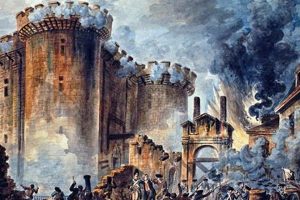
Bastille Storm's Impact: What Was the Outcome? [Explained]" width="100%" style="margin-right: 8px;margin-bottom: 8px;" />The pivotal event on July 14, 1789, effectively dismantled the Bastille, a medieval fortress and prison, by a revolutionary mob. The immediate result involved the release of the remaining seven prisoners held within its walls. However, the deeper consequence reached far beyond this symbolic act of liberation.
The significance of this action lies in its demonstration of popular uprising against royal authority. It emboldened the Third Estate and its representatives in the newly formed National Assembly, providing crucial momentum for their demands for political and social reform. The event shattered the perceived invincibility of the monarchy and its armed forces, fostering widespread revolutionary fervor throughout France. It fueled the growing distrust of Louis XVI and his regime and accelerated the dismantling of the old feudal order.
This watershed moment marked a turning point in the French Revolution, leading to significant subsequent developments, including the Declaration of the Rights of Man and of the Citizen, the abolition of feudalism, and ultimately, the establishment of a constitutional monarchy. This shift in power dynamics irrevocably altered the course of French history and influenced revolutionary movements across Europe and the world.
Insights Regarding the Event of July 14, 1789
The following considerations offer deeper understanding regarding the consequences of this singular event.
Tip 1: Recognize the Symbolic Power: The destruction of the Bastille transcended a simple prison break. It represented the overthrow of royal authority and the end of arbitrary imprisonment, becoming a potent symbol of liberation and popular sovereignty.
Tip 2: Understand the Impact on Royal Authority: The monarchy’s inability to defend the Bastille significantly weakened its credibility and emboldened revolutionaries. This display of vulnerability fostered further challenges to royal power.
Tip 3: Assess the Influence on the National Assembly: The event strengthened the resolve and legitimacy of the National Assembly, the representative body seeking radical reforms. Popular support validated their demands and facilitated their agenda.
Tip 4: Evaluate the Dissemination of Revolutionary Sentiment: News of the event and its implications spread rapidly, igniting revolutionary fervor throughout France and inspiring similar movements in other regions facing oppressive regimes.
Tip 5: Analyze the Transformation of the Political Landscape: This event served as a catalyst for fundamental changes, including the Declaration of the Rights of Man and of the Citizen and the abolition of feudalism, marking a definitive break from the old order.
Tip 6: Consider the Broader Historical Context: It is crucial to understand that the event did not occur in isolation. It was the culmination of long-standing social, economic, and political tensions, amplified by Enlightenment ideals.
Understanding these factors provides a comprehensive perspective on the multifaceted consequences of this pivotal moment in French history.
These insights illuminate the enduring significance of this historical turning point.

The erosion of royal authority stands as a central consequence of the storming of the Bastille. The event revealed the monarchy’s vulnerability and its inability to maintain control, thereby emboldening revolutionary forces and fundamentally altering the political landscape of France.
- Loss of Perceived Invincibility
The Bastille, a symbol of royal power and arbitrary imprisonment, had long instilled fear and respect. Its fall shattered the aura of invincibility surrounding the monarchy. The successful assault demonstrated that the king’s forces were not impenetrable, weakening his grip on power and fostering widespread defiance among the populace.
- Diminished Military Deterrent
The garrison assigned to defend the Bastille proved insufficient to repel the attacking crowd. This exposed the limitations of the royal military, reducing its effectiveness as a deterrent against further uprisings. The lack of decisive action from the king to quell the rebellion further undermined confidence in the monarchy’s ability to maintain order.
- Increased Dissidence and Defection
The event inspired more open expressions of dissent and encouraged defections from within the royal ranks. Some members of the military and government, witnessing the shift in power, began to align themselves with the revolutionary cause, further weakening the king’s support base and administrative capacity.
- Erosion of Public Trust and Legitimacy
The storming of the Bastille significantly eroded public trust in the monarchy. The king’s perceived inaction and inability to protect his subjects damaged his legitimacy and fueled calls for radical political reform. This decline in trust made it increasingly difficult for the king to govern effectively, paving the way for more drastic changes in the French political system.
In summary, the weakening of royal authority was a direct and profound outcome of the storming of the Bastille. This erosion of power, manifested through the loss of perceived invincibility, a diminished military deterrent, increased dissidence, and a loss of public trust, propelled the French Revolution forward, fundamentally altering the course of French history.
2. Revolutionary fervor ignited.

The storming of the Bastille served as a crucial catalyst for igniting revolutionary fervor throughout France. Prior to July 14, 1789, discontent with the monarchy existed, but it lacked a focal point for widespread action. The successful assault on a symbol of royal authority demonstrated the possibility of challenging the established order, transforming latent resentment into active rebellion. This surge in revolutionary spirit proved essential to achieving the broader goals of the revolution. The event spurred widespread uprisings in both Paris and the countryside as people found inspiration and bravery to protest in streets. People started to actively dismantle the feudal system and challenge the authority of the elites in their regions. The actions of the crowd emboldened them to protest, riot, and demand change at every level of society.
The diffusion of revolutionary sentiment manifested practically in several ways. It led to the formation of citizen militias to defend against perceived royalist counter-attacks. It spurred the creation of revolutionary clubs and societies, providing platforms for political debate and organizing collective action. Furthermore, the increased fervor facilitated the dissemination of revolutionary ideas through pamphlets, newspapers, and public speeches, solidifying popular support for radical changes. The Great Fear, a period of panic and unrest in rural areas, exemplifies this. Triggered by rumors of aristocratic conspiracies, peasants, emboldened by the events in Paris, attacked manor houses and destroyed feudal records, accelerating the dismantling of the feudal system.
In conclusion, the ignition of revolutionary fervor following the Bastille assault represents a pivotal component of its overall consequences. It transformed localized grievances into a national movement, empowered ordinary citizens to challenge the established order, and laid the groundwork for fundamental political and social reforms. Understanding this connection reveals that the storming of the Bastille was not merely a symbolic act, but a spark that ignited the revolutionary fire which remade France. Challenges of understanding this would include the difficulty in attributing any historical event to a single cause. The spark created by the fall of the Bastille was a key turning point, but was built on a long history of dissent. It is important to acknowledge that, but also to recognize the significance of the effect the storming of the Bastille had on French society.
3. National Assembly strengthened.

The storming of the Bastille directly and significantly strengthened the National Assembly. Prior to the event, the Assembly, composed primarily of members of the Third Estate, lacked the tangible means to enforce its demands for reform against the authority of King Louis XVI. The action on July 14th provided the Assembly with a critical boost in legitimacy and practical power. The successful revolt demonstrated that the populace was willing to actively challenge the monarchy, providing the Assembly with a powerful base of popular support that the king could no longer ignore.
The Assembly capitalized on this strengthened position by accelerating its legislative agenda. In the weeks following the Bastille event, the Assembly issued the Declaration of the Rights of Man and of the Citizen, a foundational document of the revolution that enshrined principles of liberty, equality, and fraternity. This bold move, unthinkable before the demonstration of popular power, effectively curtailed royal authority and established the Assembly as the primary governing body. Furthermore, the Assembly abolished feudalism, eliminating centuries of aristocratic privilege and addressing long-standing grievances of the peasantry. The decrees, passed in August 1789, fundamentally restructured French society and were directly facilitated by the enhanced power and mandate of the Assembly.
In summary, the storming of the Bastille served as a turning point, transforming the National Assembly from a body with limited influence into a powerful legislative force capable of enacting sweeping reforms. The increased public support, coupled with the weakened authority of the monarchy, allowed the Assembly to pursue its agenda with greater effectiveness, leading to fundamental changes in French society and laying the groundwork for a new political order. Understanding this connection is crucial to comprehending the long-term consequences of this pivotal event in the French Revolution.
4. Symbolic victory achieved.
The achievement of a symbolic victory stands as a critical component of the broader outcomes stemming from the Bastille assault. While the immediate tactical gains were limitedreleasing a handful of prisoners and seizing some weaponrythe action’s symbolic resonance proved far more consequential. The Bastille represented royal authority, arbitrary imprisonment, and the oppressive nature of the ancien rgime. Its capture by the revolutionary mob, regardless of the actual strategic value, signaled a decisive shift in power dynamics.
This symbolic victory directly fueled the revolution’s momentum. It provided tangible evidence that the monarchy could be challenged and its authority undermined. The event fostered a sense of empowerment among the Third Estate, emboldening them to demand further reforms and resist royal attempts at suppression. The widespread celebrations and commemorations that followed reinforced this sense of collective identity and revolutionary purpose. For instance, the creation of commemorative engravings, songs, and plays immortalized the event, continually reminding citizens of the power they possessed when united against tyranny. The ripple effects extended beyond Paris, inspiring similar acts of defiance in other regions, as local populations targeted symbols of aristocratic power. The widespread destruction of feudal documents during the “Great Fear” exemplifies this cascading effect, demonstrating the potency of the initial symbolic breakthrough.
In conclusion, the symbolic victory achieved at the Bastille was not merely a superficial accomplishment. It served as a pivotal catalyst, transforming popular discontent into active revolution and providing the necessary impetus for the subsequent dismantling of the old order. The act provided the French Revolution with a much needed boost, and emboldened the people of France to join the movement. Without this crucial psychological and symbolic shift, the French Revolution’s trajectory might have been drastically altered. A proper understanding of the outcomes the storming of the Bastille had should include the importance of this symbolic victory.
5. Political reforms accelerated.

The assault on the Bastille acted as a crucial accelerator for political reforms in France. While demands for change existed prior to July 14, 1789, the event imbued these demands with an urgency and legitimacy that the monarchy could no longer ignore, resulting in a rapid succession of transformative political actions.
- Constituent Assembly Empowerment
The storming significantly bolstered the standing of the National Constituent Assembly. The show of popular force signaled that the Assembly possessed the backing necessary to challenge royal authority, compelling the king to reluctantly recognize its legitimacy. This recognition enabled the Assembly to proceed with drafting a new constitution without constant fear of royal reprisal.
- Declaration of the Rights of Man and of the Citizen
The revolutionary fervor spurred by the Bastille facilitated the swift adoption of the Declaration of the Rights of Man and of the Citizen in August 1789. This document, enshrining principles of liberty, equality, and fraternity, established fundamental rights for all citizens and fundamentally challenged the traditional social and political hierarchy. Without the demonstrated power of popular uprising, its acceptance would have been highly improbable.
- Abolition of Feudalism
The unrest triggered by the event directly precipitated the abolition of feudalism. The “Great Fear,” a wave of peasant uprisings across the countryside, compelled the Assembly to address long-standing grievances related to feudal dues and obligations. The decrees passed in August 1789 eliminated these burdens, dismantling the centuries-old feudal system and ushering in a new era of social and economic equality, albeit imperfectly realized.
- Weakening of Royal Absolutism
The events surrounding the Bastille significantly curtailed the powers of the monarchy. The king’s inability to effectively respond to the uprising underscored the limitations of royal absolutism. Subsequent reforms, including the establishment of a constitutional monarchy, further restricted royal prerogative, paving the way for a more representative form of government. The royal family was also forced to move from Versailles to Paris, so that they would be closer to the people and thus the king would be more accountable.
In conclusion, the storming of the Bastille acted as a catalyst, dramatically accelerating the pace of political reforms in France. By empowering the National Constituent Assembly, enabling the adoption of landmark documents like the Declaration of the Rights of Man and of the Citizen, facilitating the abolition of feudalism, and weakening royal absolutism, the event irrevocably altered the course of French history and laid the foundation for a more democratic society. All of these can be directly tied to this pivotal event.
6. Feudal system dismantled.
The dismantling of the feudal system constitutes a significant outcome directly linked to the storming of the Bastille. The events of July 14, 1789, created a climate of revolutionary fervor that emboldened both the National Assembly and the peasantry to actively challenge and ultimately dismantle the entrenched feudal structures that had defined French society for centuries. The storming itself, while focused on a specific symbol of royal power, signaled a broader rejection of the existing socio-political order, of which feudalism was a cornerstone.
The peasantry, long burdened by feudal dues and obligations, perceived the storming of the Bastille as a signal that the old order was collapsing. This triggered widespread rural unrest, known as the “Great Fear,” where peasants attacked the manor houses of their lords, destroying feudal records and asserting their newfound freedom from traditional obligations. In response to this escalating chaos and recognizing the need to consolidate popular support, the National Assembly took decisive action. On August 4, 1789, in a dramatic session, the Assembly abolished feudalism, legally ending the system of seigneurial rights, obligations, and privileges. This act, a direct consequence of the climate created by the Bastille event, fundamentally altered land ownership, social relations, and the distribution of power in France. The feudal system had been based on land ownership and social hierarchy, in which peasants were bound to lords through a system of obligations and dues. The destruction of the Bastille weakened the power of the elite, giving the Third Estate the power to overthrow the existing system.
Understanding the connection between the assault on the Bastille and the destruction of feudalism highlights the transformative nature of the French Revolution. The event served as a catalyst, empowering both the political representatives and the common people to challenge and overturn deeply entrenched societal structures. While challenges remained in implementing these changes and ensuring equitable distribution of resources, the abolition of feudalism marked a decisive break from the past, paving the way for a more modern and egalitarian society. The abolishment of the feudal system was a key outcome stemming from the storming of the Bastille. Without it, France’s society would have stagnated.
Frequently Asked Questions
The following questions address common inquiries regarding the far-reaching consequences following the attack on the Bastille in 1789.
Question 1: What immediate changes followed the storming of the Bastille?
The immediate aftermath saw the liberation of the few remaining prisoners held within the Bastille and the seizure of its armaments. More importantly, it spurred widespread unrest and defiance of royal authority throughout Paris.
Question 2: How did the event impact the French monarchy?
The storming significantly weakened the French monarchy’s perceived power and legitimacy. It demonstrated the king’s inability to maintain control and defend symbols of his authority, thereby emboldening revolutionary forces.
Question 3: What role did the event play in the rise of the National Assembly?
The successful storming of the Bastille significantly bolstered the National Assembly’s position. It provided tangible evidence of popular support, allowing the Assembly to assert its authority and implement sweeping reforms.
Question 4: In what ways did it contribute to political reforms?
The event served as a catalyst for accelerated political reforms. These include the Declaration of the Rights of Man and of the Citizen, the abolition of feudalism, and the eventual establishment of a constitutional monarchy.
Question 5: How did it influence the general populace?
The event ignited revolutionary fervor among the general populace, transforming localized grievances into a national movement. It empowered ordinary citizens to challenge the established order and participate actively in shaping the future of France.
Question 6: Was the storming of the Bastille primarily a symbolic act?
While the storming held significant symbolic value, representing the overthrow of royal authority, its consequences extended beyond mere symbolism. It triggered real political and social changes, fundamentally altering the course of French history.
In summation, the effects of the storming extended far beyond the initial event. It marked a pivotal moment, setting in motion a series of transformative changes that reshaped French society and its political landscape.
The following section delves into the long-term implications of these changes.
The Enduring Significance
This exploration of what was the outcome of the storming of the Bastille has highlighted several key consequences. These encompass the weakening of royal authority, the ignition of revolutionary fervor, the strengthening of the National Assembly, the achievement of a symbolic victory, the acceleration of political reforms, and the dismantling of the feudal system. The event acted as a catalyst, setting in motion a series of transformative changes that irrevocably altered the course of French history.
The repercussions of the Bastille assault extend beyond the immediate political and social upheavals it triggered. It remains a potent reminder of the power of collective action in challenging oppressive regimes and demanding fundamental rights. Understanding this historical turning point provides valuable insights into the dynamics of revolution, the pursuit of liberty, and the enduring struggle for social justice.




![Bastille Storm: Pictures & Revolution [Gallery] | Hubbastille: Explore the Fusion of Culture, Music & Creativity](https://hubbastille.com/wp-content/uploads/2025/12/th-338-300x200.jpg "Bastille Storm: Pictures & Revolution [Gallery] Hubbastille: Explore the Fusion of Culture, Music & Creativity")