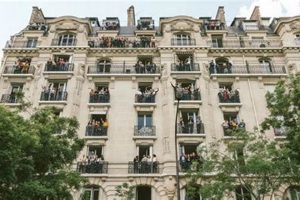
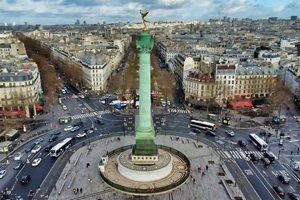
Located in the eastern part of the French capital, this area is known for its historical significance, particularly its connection to the French Revolution. It’s a vibrant district characterized by a mix of residential buildings, lively nightlife, and a diverse range of businesses from artisan shops to modern boutiques. The Place de la Bastille, a large square that now stands where a notorious prison once stood, serves as a central gathering point and a symbol of liberty.
The district’s importance lies in its historical legacy and its contemporary dynamism. It offers a tangible connection to France’s revolutionary past, while simultaneously providing a modern urban experience. It is home to numerous cultural attractions, including the Opra Bastille, as well as a plethora of restaurants, cafes, and bars, making it a popular destination for locals and tourists alike. Historically a working-class neighborhood, it has evolved into a more diverse and gentrified area, while retaining its unique character.
This particular Parisian neighborhood presents a compelling study in urban development and cultural evolution. Subsequent sections of this exploration will delve into the specific attractions, cultural nuances, and economic drivers that shape its identity, providing a thorough overview of this key locale within the city.
The following tips offer practical advice for those seeking to experience the distinct character of this Parisian district. These recommendations aim to maximize the visitor’s engagement with the area’s historical significance and contemporary offerings.
Tip 1: Explore the Place de la Bastille. Begin at the square, a pivotal site in French history. Consider visiting the Colonne de Juillet, commemorating the July Revolution of 1830.
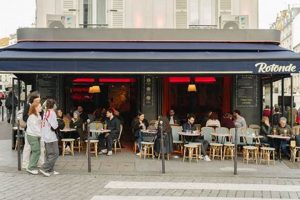
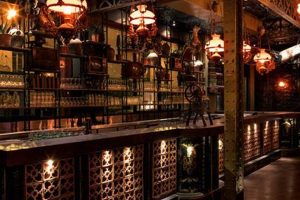
Tip 2: Immerse Yourself in the Nightlife. This area is known for its vibrant nightlife. Explore the many bars and clubs, particularly along the Rue de Lappe and Rue de la Roquette. Exercise caution and be aware of your surroundings, especially late at night.
Tip 3: Discover the March Bastille. Visit the March Bastille, one of the largest and most diverse open-air markets in Paris. It offers a wide range of fresh produce, cheeses, meats, and other local delicacies.
Tip 4: Attend a Performance at the Opra Bastille. Experience a performance at the Opra Bastille, a modern opera house that offers a diverse repertoire of opera and ballet.
Tip 5: Explore the Canal Saint-Martin. Take a short walk north to the Canal Saint-Martin, another area with a distinct character. It’s a great place for a leisurely stroll or a picnic.
Tip 6: Respect the Historical Significance. Remember the area’s historical importance when visiting. Consider a guided tour to gain a deeper understanding of the French Revolution and its impact.
Tip 7: Sample Local Cuisine. This area offers a wide variety of dining options, from traditional French bistros to international cuisine. Explore the many restaurants and cafes to experience the local culinary scene.
By implementing these suggestions, visitors can enhance their appreciation of the area’s historical importance and cultural vibrancy. This foundation prepares for a deeper examination of specific landmarks and cultural elements within this dynamic area.
The subsequent sections will explore the specific culinary and cultural elements of this Parisian landmark, offering a complete and comprehensive exploration.
1. Historical Significance

The historical significance of this Parisian district is inextricably linked to its identity, shaping its urban landscape, cultural narrative, and enduring appeal. It serves as a living testament to a pivotal moment in French history, exerting a profound influence on the city and the nation.
- The Storming of the Bastille (1789)
The storming of the Bastille prison on July 14, 1789, marked a turning point in the French Revolution. The prison, a symbol of royal authority, was attacked by revolutionaries seeking arms and the release of political prisoners. This event, while not militarily significant, represented a powerful act of defiance against the Ancien Rgime, fueling the revolutionary fervor. The site itself, now the Place de la Bastille, serves as a constant reminder of this pivotal moment.
- Place de la Bastille as a Symbol of Revolution
The Place de la Bastille, where the prison once stood, has become a symbolic space for political demonstrations and celebrations. The July Column, erected in the center of the square, commemorates the July Revolution of 1830. Throughout French history, the Place de la Bastille has served as a focal point for expressing political dissent and celebrating victories for liberty.
- Influence on Urban Development
The events that transpired in the area profoundly influenced its subsequent urban development. The prison’s demolition led to the creation of a public square, transforming the landscape. This spatial transformation reflected the shifting power dynamics in French society, moving from centralized royal authority to a more decentralized, citizen-driven governance. Subsequent building projects and urban planning decisions were shaped by the historical weight of the district.
- Historical Memory and Cultural Identity
The historical memory of the French Revolution permeates the district’s cultural identity. Numerous streets, squares, and institutions bear names associated with the revolution. Local businesses and cultural organizations often draw upon this historical narrative in their branding and activities. The area’s historical significance is a key element in attracting tourism and shaping the district’s unique character.
These multifaceted elements of historical significance underscore the enduring impact of the French Revolution on this Parisian district. From the physical transformation of the landscape to the shaping of cultural identity, the events of 1789 continue to resonate within the area, making it a vital site for understanding French history and the ongoing struggle for liberty and equality.
2. French Revolution

The French Revolution is fundamentally intertwined with this Parisian district, serving as the crucible in which the area’s identity was forged. Its historical importance is not merely a point of interest, but rather the very foundation upon which the district’s contemporary character is built, influencing its urban planning, cultural narratives, and symbolic significance.
- Storming of the Bastille Prison
The most direct connection arises from the storming of the Bastille prison on July 14, 1789. This event, which transpired at the heart of the district, ignited the French Revolution. The prison, a symbol of royal authority and oppression, became the target of revolutionaries seeking weapons and the liberation of political prisoners. The event’s success, though limited in immediate tactical gains, held immense symbolic weight, galvanizing the revolution and forever linking the district with the ideals of liberty and popular sovereignty.
- The Place de la Bastille as a Revolutionary Space
Following the demolition of the Bastille prison, the area was transformed into the Place de la Bastille. This square became a symbolic site for revolutionary gatherings, demonstrations, and celebrations. The erection of the July Column further solidified the square’s association with revolutionary ideals. Throughout French history, the Place has served as a focal point for expressing dissent, commemorating victories for liberty, and asserting popular power, a legacy directly derived from the events of 1789.
- Influence on Republican Ideals
The events occurring in the district contributed significantly to the dissemination and solidification of republican ideals within France. The destruction of a symbol of royal authority, coupled with the assertion of popular sovereignty, fostered a climate conducive to the growth of republicanism. The area became associated with these ideals, attracting revolutionaries, intellectuals, and activists who sought to promote a more democratic and egalitarian society. The echoes of revolutionary rhetoric and the physical reminders of the Bastille continued to inspire movements for social and political change.
- Impact on Parisian Urban Development
The French Revolution, specifically the destruction of the Bastille and the creation of the Place de la Bastille, had a significant impact on the urban development of Paris. The transformation of the district served as a catalyst for broader urban planning initiatives, reflecting the changing political and social landscape. The emphasis shifted towards creating public spaces that celebrated liberty and equality, while diminishing the presence of symbols associated with the Ancien Rgime. The area’s redevelopment served as a model for other urban spaces, influencing the aesthetic and functional design of Parisian neighborhoods.
The lasting legacy of the French Revolution is palpably present in the district. From the symbolic significance of the Place de la Bastille to the lingering echoes of revolutionary rhetoric, the area serves as a constant reminder of the transformative events that transpired within its boundaries. The French Revolution is not merely a historical event linked to the district; it is an intrinsic element of its identity, shaping its character, and influencing its trajectory.
3. Vibrant Nightlife

The dynamic nightlife in this Parisian district constitutes a significant component of its identity and appeal. The area’s after-dark scene is not merely a supplementary element; it is intrinsically linked to its historical narrative, its diverse demographics, and its economic vitality. This vibrant nightlife attracts a wide range of individuals, from local residents seeking leisure activities to tourists eager to experience the authentic Parisian atmosphere.
Several factors contribute to the prevalence and intensity of the area’s nighttime activities. The district’s historical legacy as a working-class neighborhood has fostered a culture of social interaction and communal gathering, which extends into the after-dark hours. The presence of numerous bars, clubs, and music venues, particularly along streets like Rue de Lappe and Rue de la Roquette, provides a diverse range of entertainment options. Furthermore, the area’s proximity to other vibrant neighborhoods and its relatively affordable housing (compared to more central districts) attract a younger, more diverse population, contributing to the demand for after-dark entertainment.
The practical significance of understanding the interplay between the neighborhood’s identity and its vibrant nightlife lies in its implications for urban planning, economic development, and social cohesion. Recognizing the importance of the nighttime economy allows policymakers to implement strategies that support local businesses, ensure public safety, and mitigate potential negative impacts on residents. This analysis of the dynamic nightlife aspect allows for a deeper understanding of the urban ecosystem, and facilitates more grounded policy decisions.
4. Artisan Workshops

The presence of artisan workshops within this Parisian district represents a significant facet of its cultural and economic identity, contributing to its distinctive character and historical continuity. These workshops are not merely relics of the past; they are active participants in the district’s contemporary life, preserving traditional crafts and contributing to its unique appeal.
- Preservation of Traditional Crafts
Artisan workshops play a crucial role in preserving traditional crafts that might otherwise be lost to industrialization and globalization. These workshops often specialize in areas such as leatherworking, ceramics, woodworking, and jewelry making, employing techniques passed down through generations. Their presence safeguards a tangible link to the district’s historical roots and contributes to the diversity of its economic activity.
- Contribution to Local Economy
While often small in scale, artisan workshops contribute significantly to the local economy. They generate employment opportunities, support local suppliers, and attract tourists interested in authentic, handcrafted goods. The economic impact extends beyond the immediate workshop, fostering a network of related businesses and services within the district.
- Attraction for Tourism
Artisan workshops serve as a significant draw for tourists seeking unique and authentic experiences. Visitors are often drawn to the opportunity to witness the creation of handcrafted goods firsthand and to purchase items that are not mass-produced. The presence of these workshops enhances the district’s appeal as a cultural destination and contributes to its overall economic vitality.
- Reflection of Working-Class History
The presence of artisan workshops reflects the district’s historical roots as a working-class neighborhood. Historically, this area was home to numerous small-scale industries and workshops that provided employment for local residents. While the district has undergone significant gentrification in recent decades, the presence of artisan workshops serves as a reminder of its working-class past and contributes to its distinctive character.
The artisan workshops within this Parisian district are not merely isolated entities; they are integral components of its cultural and economic ecosystem. Their presence contributes to the district’s unique identity, preserves traditional crafts, supports the local economy, and attracts tourism. These workshops represent a tangible link to the district’s past while simultaneously contributing to its contemporary vibrancy.
5. Diverse Cuisine

The prevalence of diverse culinary offerings within this Parisian district is a defining feature, reflecting the area’s historical evolution, its heterogeneous population, and its contemporary urban landscape. This culinary diversity is not merely a collection of restaurants; it represents a tangible expression of the district’s multifaceted identity and its openness to global influences.
- Historical Influences
The district’s history as a working-class neighborhood and a melting pot of cultures has significantly shaped its culinary landscape. Immigrants from various regions of France and beyond have brought their culinary traditions to the area, resulting in a rich tapestry of flavors and cuisines. This historical influence is evident in the presence of traditional French bistros alongside restaurants serving North African, Asian, and other international cuisines.
- Contemporary Culinary Trends
In addition to its historical influences, the district has embraced contemporary culinary trends, attracting innovative chefs and restaurateurs. This has resulted in the emergence of modern restaurants that blend traditional techniques with contemporary flavors and presentation. The area has also seen the rise of specialized food shops, offering artisanal products and ingredients from around the world.
- Impact on Tourism and Local Economy
The diverse culinary offerings have a significant impact on tourism and the local economy. Visitors are drawn to the district’s wide range of dining options, contributing to the economic vitality of local restaurants and food businesses. The culinary scene also enhances the area’s appeal as a cultural destination, attracting food enthusiasts and contributing to its overall vibrancy.
- Reflection of Cultural Diversity
The diverse cuisine serves as a reflection of the district’s cultural diversity. The presence of restaurants representing various ethnic and cultural backgrounds underscores the area’s openness to global influences and its commitment to inclusivity. This culinary diversity contributes to the district’s unique identity and fosters a sense of community among its diverse residents.
The diverse cuisine within this Parisian district is more than just a collection of dining options; it is a reflection of its history, its culture, and its contemporary urban landscape. The interplay of historical influences, contemporary trends, economic impacts, and cultural reflections creates a culinary tapestry that defines the district’s unique identity and contributes to its enduring appeal. This culinary diversity further underscores the district’s significance as a microcosm of Parisian and global culture.
6. Place de la Bastille
The Place de la Bastille serves as the geographical and symbolic heart of this Parisian district. It is not merely a location within the area; it is the historical focal point from which the district derives much of its identity and significance. The square’s existence is a direct consequence of the demolition of the Bastille prison, the event that triggered the French Revolution. Therefore, the district’s identity as a site of revolution and liberty is intrinsically linked to the square’s presence.
The historical events that unfolded at the Place de la Bastille have had a cascading effect on the development of the surrounding neighborhood. The square’s symbolic importance has made it a frequent site for political demonstrations, public gatherings, and cultural events. This, in turn, has influenced the types of businesses that have established themselves in the area, as well as the demographics of its residents. For example, the presence of numerous bars and music venues in the vicinity is partly a consequence of the area’s association with liberty and free expression. Real estate values and urban planning decisions are also influenced by the square’s prominence as a historical landmark.
Understanding the symbiotic relationship between the Place de la Bastille and the surrounding district is crucial for anyone seeking to comprehend the area’s unique character. The Place serves as a lens through which one can view the area’s history, culture, and contemporary identity. Without appreciating the square’s significance, one cannot fully grasp the essence of this Parisian neighborhood. Thus, future policy and planning decisions should acknowledge the crucial connection between the Place and its encompassing area, to preserve and encourage its evolution as a site that has significant cultural value for both residents and visitors alike.
Frequently Asked Questions about the Parisian District Known for the Bastille
This section addresses common inquiries regarding the character, history, and practical aspects of visiting the district in Paris known for its association with the Bastille.
Question 1: What is the historical significance of the area?
The district’s significance arises primarily from its connection to the French Revolution, specifically the storming of the Bastille prison in 1789. This event, a pivotal moment in French history, established the area as a symbol of liberty and popular sovereignty. The Place de la Bastille, located at the heart of the district, stands as a testament to this historical legacy.
Question 2: What types of attractions can be found in this Parisian district?
The district offers a diverse range of attractions, encompassing historical landmarks, cultural institutions, and entertainment venues. The Place de la Bastille and the Colonne de Juillet are prominent historical sites. The Opra Bastille provides a modern cultural experience. Numerous bars, restaurants, and shops cater to a variety of interests and tastes.
Question 3: How accessible is the area via public transportation?
The area is well-served by the Paris Metro, with multiple lines converging at the Bastille station. Bus routes also provide convenient access to various parts of the district. Its central location and excellent public transportation links make it easily accessible from other parts of Paris.
Question 4: What is the general atmosphere of the neighborhood?
The area maintains a vibrant and dynamic atmosphere, characterized by a blend of historical significance and contemporary urban life. Its diverse population and lively nightlife contribute to a sense of energy and excitement. While gentrification has transformed parts of the district, it retains a distinct character rooted in its working-class history.
Question 5: What dining options are available?
The district offers a wide array of dining options, reflecting its diverse cultural influences. Traditional French bistros are interspersed with restaurants serving cuisine from various parts of the world. Cafes, bakeries, and specialty food shops further contribute to the area’s rich culinary landscape.
Question 6: Is the district considered safe for visitors?
As with any urban area, exercising caution and being aware of one’s surroundings is advisable. However, the district is generally considered safe for visitors, particularly during daylight hours. Increased police presence and well-lit streets contribute to a sense of security. As in any tourist location, it is important to be vigilant against pickpockets and petty theft.
In summary, the Parisian district offers a compelling blend of historical significance, cultural attractions, and contemporary urban life. Its excellent accessibility, diverse dining options, and vibrant atmosphere make it a popular destination for both locals and tourists. Awareness of basic safety precautions is advisable, as in any urban setting.
The next section will provide practical recommendations for those planning a visit to this iconic Parisian neighborhood.
Conclusion
This exploration has presented the multifaceted nature of the Parisian district recognized through the term, “bairro bastille paris”. The analysis has illuminated the area’s historical foundations, primarily its pivotal role in the French Revolution. Furthermore, its contemporary dynamism, expressed through its diverse cuisine, vibrant nightlife, and artisan workshops, has been thoroughly examined. The influence of the Place de la Bastille as a central symbolic and physical landmark has also been emphasized.
Understanding the complexities of this Parisian location provides a valuable lens through which to view the interplay of history, culture, and urban development. Continued engagement with its evolving narrative is essential for informed appreciation of its enduring significance within the broader context of Paris and its global influence. The insights presented herein encourage a deeper consideration of urban spaces and their capacity to embody both historical memory and contemporary innovation.