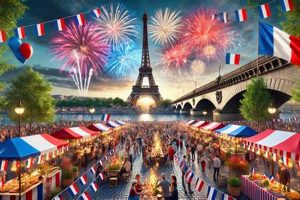
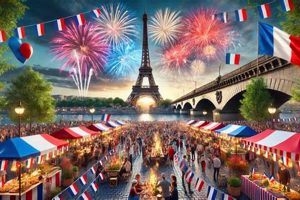
The annual event in the Franschhoek Wine Valley commemorates a significant date in French history, celebrated with a unique South African twist. It is a weekend-long festival that blends French cultural traditions with the local winemaking heritage of the region.
The importance of this celebration stems from Franschhoek’s historical connection to the French Huguenots, who settled in the valley in the late 17th century and significantly contributed to the development of the South African wine industry. The festival provides an opportunity to experience French cuisine, wines, and entertainment while acknowledging the historical influence that has shaped the region.
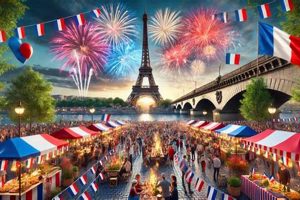
This cultural fusion is reflected in the various activities and attractions offered during the festival, including wine tastings, food stalls, live music, and parades, all designed to create an immersive and enjoyable experience for visitors. The event provides significant economic benefits to the region, attracting both local and international tourists.
Maximizing the experience during the annual Franschhoek festival requires strategic planning and informed participation. Consider the following recommendations for a successful visit.
Tip 1: Secure Accommodation Well in Advance: Due to the event’s popularity, lodging options in Franschhoek are often fully booked months prior. Early reservations are crucial to ensure suitable accommodation.
Tip 2: Plan Transportation Logistics: The festival attracts a significant number of visitors, leading to potential traffic congestion and parking challenges. Utilizing designated shuttle services or arranging private transportation is advisable.
Tip 3: Review the Event Schedule: A diverse program of events is offered throughout the weekend. Careful review of the schedule allows for prioritized participation in preferred activities, such as wine tastings or culinary demonstrations.
Tip 4: Allocate Budget Appropriately: Festival expenses can accumulate quickly. Establishing a pre-determined budget for wine purchases, food, and souvenirs helps manage spending effectively.
Tip 5: Dress Appropriately for the Weather: Franschhoek’s weather can be unpredictable. Dressing in layers and checking the forecast beforehand ensures comfort throughout the day, regardless of climatic conditions.
Tip 6: Sample Local Wines Responsibly: Numerous wineries participate in the festival, offering tasting opportunities. Moderation is essential to fully appreciate the experience while maintaining a responsible level of consumption.
Tip 7: Engage with Local Vendors and Artisans: The festival provides a platform for local businesses to showcase their products. Supporting these vendors contributes to the economic vitality of the region and offers unique souvenir opportunities.
Adherence to these suggestions contributes significantly to a well-organized and enjoyable experience during the Franschhoek Bastille Day festivities, allowing for full immersion in the cultural and culinary offerings of the region.
Consider these points as the groundwork for the conclusion of this article, leading to final thoughts on the overall impact of the event.
1. Huguenot Heritage

The celebration in Franschhoek is inextricably linked to the heritage of the French Huguenots who settled in the valley during the late 17th and early 18th centuries. Fleeing religious persecution in France, these settlers brought with them viticultural expertise and a strong cultural identity. This legacy forms the bedrock of the region’s wine industry and shapes the unique character of Franschhoek, making the connection between the Huguenot’s arrival and the modern day celebrations a matter of great importance. This influence is directly commemorated during the festival.
The celebration is not merely a superficial adoption of French festivities. It’s a recognition and celebration of the tangible and lasting impact of the Huguenots on the region. Wine farms, many bearing French names and maintaining viticultural practices passed down through generations, participate prominently. The Huguenot Monument stands as a visual reminder of this history, often serving as a focal point for festival activities. Culinary offerings also reflect this fusion, with French-inspired cuisine adapted to local ingredients and tastes. For instance, the adoption of cultivars is a fine example.
Understanding this connection is crucial for appreciating the significance. It highlights that the event is not solely about celebrating French Independence Day. It is a commemoration of a specific historical event in Franschhoek. Without the Huguenot influence, Franschhoek would not possess its unique identity. The celebrations provide both a reason to gather and a link to the past. Thus, that heritage is an undeniable asset and integral element of the annual festival, as well as Franschhoek.
2. Wine Valley Celebration

The annual Bastille Day festivities in Franschhoek are inextricably linked to its identity as a premier wine valley. The geographical location and primary economic activity directly influence the character and scope of the celebration. The event leverages the region’s reputation as a wine-producing area, incorporating wine tastings, vineyard tours, and pairings of local wines with French-inspired cuisine into the core festival programming. The prominence of local wineries as sponsors and participants further solidifies this connection. Consider, for example, the many vineyards that open their doors with specific festival-themed packages, boosting tourism and revenue.
The wine valley setting also dictates the practical considerations of the celebration. Transportation logistics must account for vineyard locations spread throughout the valley. Event venues often utilize the scenic backdrop of the vineyards to enhance the atmosphere. The festival calendar is also scheduled to coincide with the winemaking cycle to maximize visitor interest and the availability of specific wine varietals. For instance, winemakers are on hand to provide insightful information during the tastings, improving the quality of the tourist experience and the chances of sales.
Understanding this link between the celebration and the wine valley is critical for both event organizers and attendees. For organizers, it highlights the importance of leveraging the region’s wine heritage to create a unique and authentic experience. For attendees, it provides context for appreciating the festival’s character and making informed choices about activities and purchases. By recognizing the practical significance of Franschhoek as a wine-producing region, participants can more fully appreciate the nuances of the Bastille Day festivities. For example, considering the timing of wine pressing or other related activities as part of the total celebration is useful.
3. Cultural Fusion

The Bastille Day celebration in Franschhoek exemplifies a nuanced intersection of French and South African cultures. The event, while commemorating a pivotal moment in French history, is uniquely shaped by the local context of the Franschhoek Wine Valley and its Huguenot heritage, resulting in a distinct cultural fusion.
- Culinary Adaptations
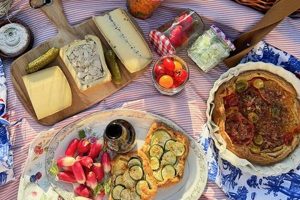
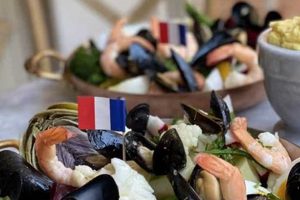
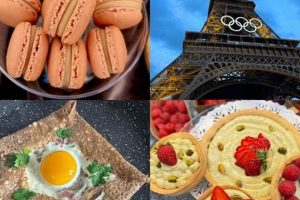
French culinary traditions are reinterpreted using local ingredients and flavors. Classic dishes may incorporate South African spices or produce, creating a unique fusion cuisine. For example, traditional French pastries might be filled with locally grown fruits, or South African wines are paired with French cheeses. The culinary offerings at the event highlight this cultural blending.
- Linguistic Integration
The interaction between Afrikaans, English, and French languages is evident during the celebration. Signage and announcements might incorporate phrases from all three languages, reflecting the multilingual character of the region. Interactions between vendors and attendees often involve a mix of languages, further highlighting the linguistic integration within the cultural fusion.
- Musical Blending
Traditional French music is often combined with South African musical styles. Local musicians may perform French songs with a distinct South African flair, or incorporate indigenous instruments into their renditions. The integration of musical genres reflects the broader cultural exchange occurring during the event.
- Visual Representation
The visual elements of the celebration often blend French and South African symbols and aesthetics. Decorations may incorporate both the French flag and South African colors, and traditional French attire may be adapted with local fabrics or designs. This visual representation reinforces the cultural fusion that defines the celebration.
These facets collectively demonstrate how the Bastille Day celebration in Franschhoek is not simply a replication of a French holiday. Rather, it represents a unique cultural fusion, shaped by the region’s history, local influences, and the interaction between French and South African traditions. The event offers a nuanced understanding of cultural exchange and adaptation.
4. Economic Impact
The annual Bastille Day celebration in Franschhoek represents a significant economic stimulus for the region. The influx of tourists and participants generates substantial revenue, impacting various sectors within the local economy. Understanding these economic effects provides a crucial perspective on the festival’s overall importance.
- Tourism Revenue Generation
The primary economic driver is the surge in tourism. Accommodation providers, restaurants, and local transportation services experience increased demand, leading to significant revenue gains. Hotel occupancy rates typically reach near-capacity during the festival weekend, and restaurants often implement special menus and pricing to cater to the influx of visitors. The festivals success in attracting both domestic and international tourists is fundamental to this aspect.
- Wine Industry Benefits
The event provides a platform for local wineries to showcase their products and generate sales. Wine tastings, vineyard tours, and direct sales to festival attendees contribute significantly to the wine industry’s revenue. Many wineries offer exclusive festival-themed packages and discounts to attract visitors, thereby boosting their bottom line. The festival’s alignment with the winemaking cycle further enhances this impact.
- Small Business Support
The festival offers opportunities for small businesses, including artisan shops, craft vendors, and food stalls, to generate income. These businesses benefit from increased foot traffic and the opportunity to sell their products to a wider audience. The event provides a platform for local entrepreneurs to showcase their goods and services, fostering economic growth and supporting the local community. For instance, local craft markets that promote the cultural heritage of the region benefit.
- Employment Opportunities
The preparation, execution, and cleanup of the festival create temporary employment opportunities for local residents. Event organizers hire staff for tasks such as event management, security, transportation, and hospitality. This influx of temporary jobs provides income for many individuals in the community, especially students and seasonal workers. The stimulation of temporary employment during the event is useful for the local economy.
These interlinked elements highlight the multifaceted economic impact of the Bastille Day celebration on Franschhoek. The revenue generated supports local businesses, stimulates employment, and strengthens the region’s economic foundation. This contribution underscores the celebration’s importance beyond its cultural significance, demonstrating its tangible benefits to the community as a whole.
5. Community Engagement

The Bastille Day celebration in Franschhoek serves as a significant catalyst for community engagement, fostering social cohesion and promoting local participation. The event’s success relies heavily on the active involvement of residents, businesses, and community organizations. This engagement manifests in various forms, from volunteering at event venues to participating in parades and cultural performances. The sense of collective ownership strengthens social bonds and reinforces community identity. For example, many local schools and organizations participate in the parade, promoting local identity and values.
The event also provides a platform for local artisans, food vendors, and entertainers to showcase their talents and contribute to the festival’s atmosphere. This participation not only generates economic opportunities but also allows individuals to express their creativity and connect with a broader audience. Community organizations often use the festival as an opportunity to raise awareness for their causes and solicit support from attendees. This fosters civic engagement and promotes a sense of collective responsibility. Consider for example, local charities that benefit from festival proceeds.
However, effective community engagement requires careful planning and inclusive strategies. Event organizers must prioritize communication and collaboration with local stakeholders to ensure that the festival benefits the entire community. Addressing concerns related to traffic management, noise levels, and environmental impact is crucial for maintaining positive relationships with residents. By prioritizing community engagement and addressing potential challenges, organizers can ensure that the Bastille Day celebration remains a valuable asset for Franschhoek, reinforcing social bonds and promoting local participation.
Frequently Asked Questions
This section addresses common inquiries regarding the annual Bastille Day celebration in Franschhoek, providing concise and informative answers to enhance understanding of the event.
Question 1: What is the historical basis for celebrating Bastille Day in Franschhoek?
The celebration commemorates the region’s Huguenot heritage. French Huguenots settled in the Franschhoek Valley in the late 17th century, bringing with them viticultural expertise and cultural traditions that continue to shape the region.
Question 2: When does the Bastille Day Franschhoek celebration typically occur?
The event is usually held annually during the weekend closest to July 14th, the date of Bastille Day in France. Specific dates vary from year to year; prospective attendees should consult the official event website for current scheduling details.
Question 3: What types of activities are featured during the Bastille Day Franschhoek celebration?
The festival typically includes wine tastings from local vineyards, culinary offerings inspired by French cuisine, live music performances, parades, and artisan markets showcasing local crafts. Activities may vary annually.
Question 4: How does Bastille Day Franschhoek contribute to the local economy?
The event generates significant tourism revenue for Franschhoek, benefiting accommodation providers, restaurants, wineries, and small businesses. Temporary employment opportunities are also created during the festival period.
Question 5: What measures are implemented to manage traffic and transportation during the event?
Event organizers typically implement shuttle services and encourage the use of public transportation to mitigate traffic congestion. Attendees are advised to plan their transportation logistics in advance and utilize designated parking areas.
Question 6: Is Bastille Day Franschhoek primarily a celebration of French culture, or does it incorporate South African elements?
The celebration represents a fusion of French and South African cultures. While commemorating French history, the event incorporates local culinary traditions, music, and artistic expressions, reflecting the unique character of Franschhoek.
These responses offer a general overview of key aspects. Further details may be available through official event resources.
Consider these points as you contemplate attending or supporting the event in the future.
Bastille Day Franschhoek
This exploration has detailed the multifaceted nature of Bastille Day Franschhoek. The event serves as a commemoration of Huguenot heritage, a celebration of the regions wine industry, and a testament to cultural fusion. Its economic impact is substantial, providing revenue and employment opportunities within the Franschhoek community. Furthermore, the event’s success is intrinsically linked to community engagement and local participation.
The ongoing success of Bastille Day Franschhoek hinges on a sustained commitment to preserving its historical significance, fostering economic growth, and promoting community involvement. Continued support for local businesses, responsible tourism practices, and inclusive event planning are essential for ensuring its long-term viability. Bastille Day Franschhoek stands as an example of how a historical event can be transformed into a modern celebration that benefits both the community and the broader region.